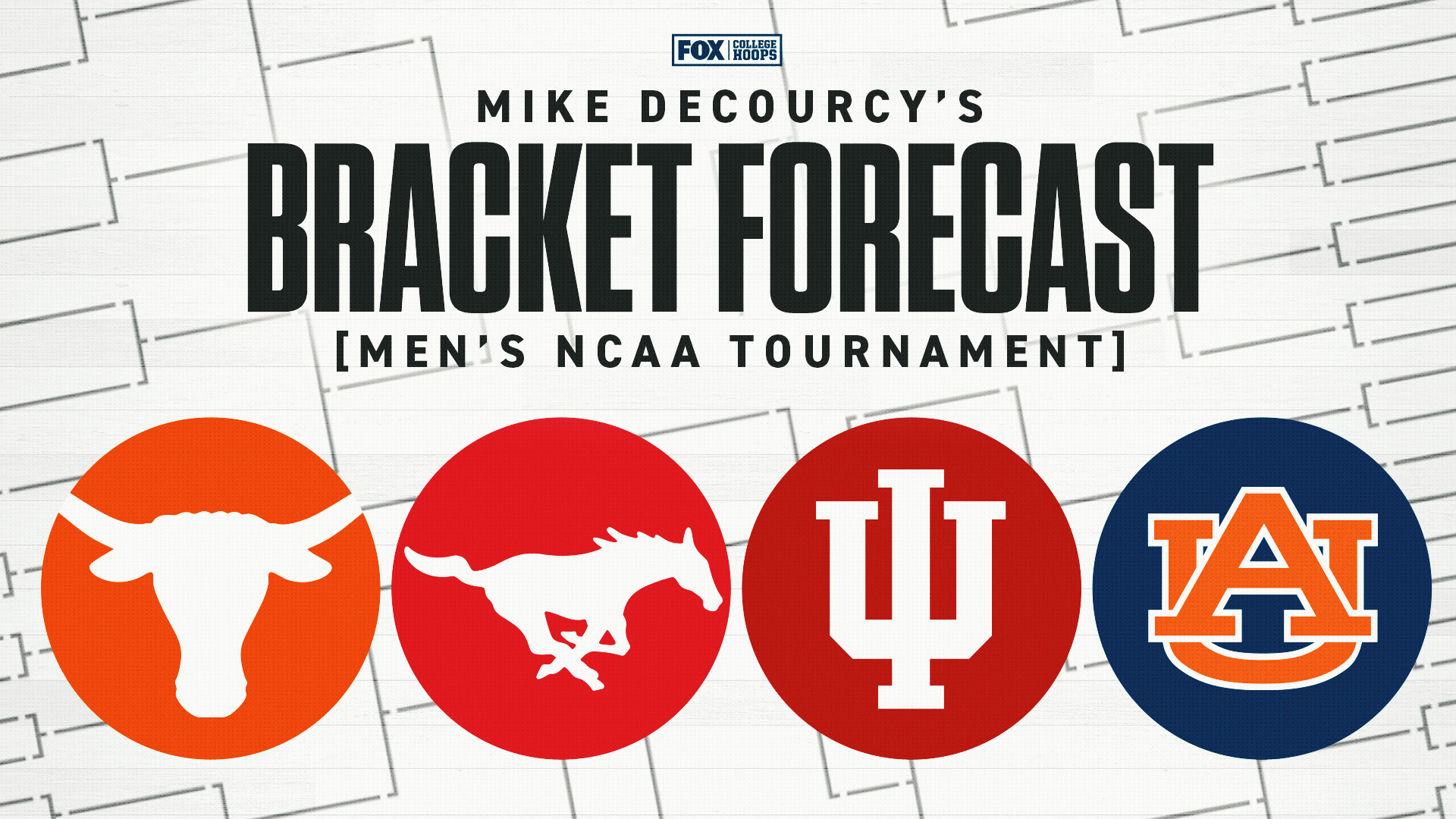
March is filled with drama, but for a pair of blue-blood brands, it might come down to the longest wait in sports: Selection Sunday. The Texas Longhorns and Indiana Hoosiers both find themselves squarely on the bubble heading into Selection Sunday. According to FOX Sports bracket forecaster Mike DeCourcy, Texas remains among his “Last Four In” following a loss to Ole Miss in the opening round of the SEC Tournament. Sean Miller’s team owns six Quad 1 wins — more than several SEC contenders — but five losses in its last six games have left the Longhorns sweating. Meanwhile, Indiana’s late slide might have pushed the Hoosiers to the wrong side of the bubble. A double-digit loss to Northwestern in the Big Ten Tournament was their sixth loss in seven games, dropping them into DeCourcy’s “First Four Out.” With that, DeCourcy shares his latest NCAA Men’s Basketball Tournament projections: EAST REGION SOUTH REGION MIDWEST REGION WEST REGION And it’s never too early to check in on the bubble. According to DeCourcy’s projections, VCU, SMU, Texas and New Mexico are the last four teams in the tournament, while Auburn, Seton Hall, San Diego State and Indiana are the first four out. As for conference representation, the SEC leads the way with 10 teams, while the Big Ten has nine teams. The ACC and the Big 12 each have eight teams in DeCourcy’s latest tournament projections. The Big East and the West Coast have three teams represented, while the Mountain West and A-10 have two teams. Selection Sunday is three days away, and these projections will inevitably evolve. For now, DeCourcy’s latest bracket forecast offers a clear snapshot of who’s rising, who’s falling and which programs are already building the résumés they’ll need when March Madness arrives.Latest Sports News from FOX Sports
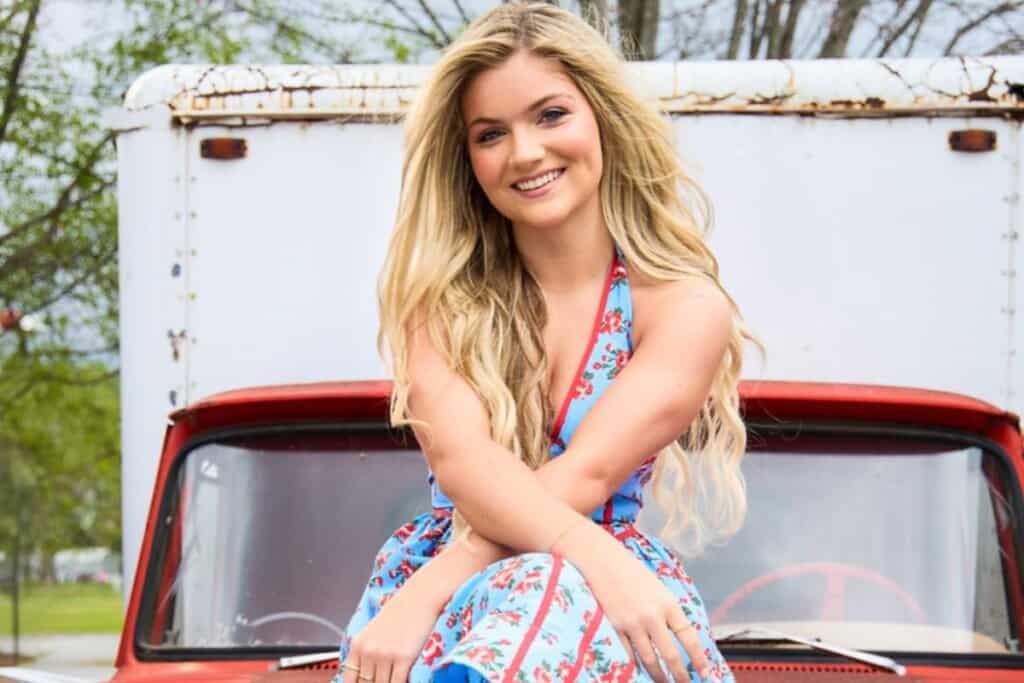
Lakelin Lemmings is just 19 years old, but she has already spent more than a decade chasing her dreams. Growing up in West Tennessee surrounded by music, she discovered her passion for country at an early age. That desire to create in her own way has carried her all the way to the release of her debut EP, Get Around Boy, in which she embraces her small-town roots and tells her story on her own terms.
The songstress got her first taste of performing at six years old when she entered various talent shows and took the stage at local festivals. She was homeschooled at the time, allowing her to dedicate more time to voice lessons and developing her craft for songwriting. By the age of 12, she was writing her own music in Nashville, by 17 she had signed her first publishing deal. Last June, she entered a new chapter when she inked an artist deal with Quartz Hill Music Group.
Photo Courtesy of Lakelin Lemmings
There has never been a doubt in Lemmings’ mind that this was her calling. She was immersed in the music scene early on, between her dad, Phillip, being a touring country guitarist and the sounds of Dolly Parton, Reba McEntire, Loretta Lynn, Miranda Lambert, Carrie Underwood and more filling her home.
“There’s no plan B. Even now, I’m like, I hope this works out,” Lemmings told Country Now in an exclusive interview.
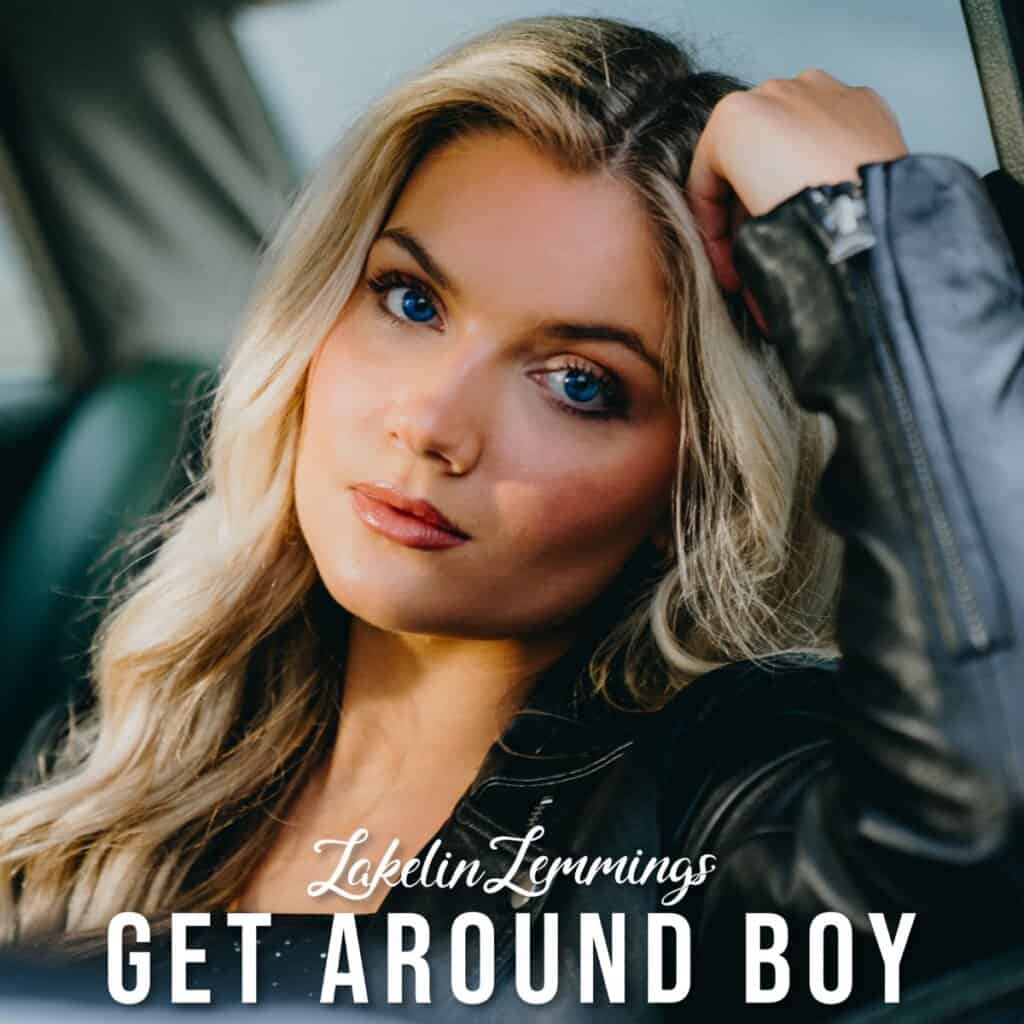
With her just-dropped EP, Get Around Boy, Lemmings wanted to give listeners a clear picture of who she is as an artist. The five-track project blends autobiographical moments with heartfelt storytelling, capturing the reality of chasing dreams, and navigating faith and relationships.
Lakelin Lemmings; Get Around Boy
At the heart of it all is her mission to create music that connects with girls in the same way she felt with songs from female icons like Dolly Parton, Reba McEntire, Miranda Lambert, and Carrie Underwood. She hopes to provide her listeners with the same kind of confidence and comfort while letting them know they’re never alone.
Keep reading the Q&A below to learn more about Lakelin Lemmings, from her musical upbringing to finding her own space in Music City, lessons learned along the way, and more.
What kind of memories do you have of these early performances? Were there ever any nerves or it was always just a natural thing for you?
For sure I was nervous. I still get nervous to this day. But yeah, one of my earliest memories was I sang “You’re Looking At Country,” Loretta Lynn. It was one of the first country songs I ever learned. And I sang at this place called Red Bones Grill & Bar in Jackson, Tennessee. When I was six years old, it was a random karaoke night. And they threw me up on stage. And I think I knew in that moment, I was like, “Yeah, this is kind of cool. I might do this for a living.”
You were writing and recording in Nashville by the time you were 12. How did you navigate that at such a young age?
I don’t really know what other 12-year-olds did. I’m like, I’ve been working for a while now. But no, I think it was great. I wouldn’t change a thing. And I’m glad that I got an early start and knew that this was what I wanted to do because I mean, now I’m 19 with a record deal and traveling the world and doing the thing and it’s super fun.
What did you learn from growing up in a musical household and watching your dad play guitar? How did that help you later on?
Yeah, him being involved in the band and stuff, obviously he was out of the band when I was younger. He actually quit the band because I was being born. Sorry, dad. But he always played the guitar in the house and went to play in church and stuff so me and my sister actually grew up singing in church in the choir and that kind of thing. And so that was obviously an influence as well. And then I was homeschooled, so I didn’t really go to school and do all the extracurriculars and stuff. My parents put me in voice lessons and I started doing that and just really grew to love it and started writing and kind of the rest is history.
Photo Courtesy of Lakelin Lemmings
You achieved another big milestone at 17 when you signed her first publishing deal.How did things change for you after that?
I mean, going to Nashville since at the age of 12, I was like, I don’t really know a whole lot about the music industry, at that point still. And I was like, how do I do this for a living and to make money? And so when I got offered my publishing deal, I was like, whoa, I can get paid to write songs. This is a job. I don’t have to work at Sonic. So yeah, I was super blessed, super fortunate to get that. And then progressed into the record. It’s been crazy.
What do you feel like has been the biggest lesson that you’ve learned either from another artist or just from your experience growing up in this world?
Laney Wilson once said on an award show, I can’t remember which one, but it was like, “if you’re going to be a dreamer, you got to be a doer.” And I 100% agree because even though this career is very fun and I’m very blessed and fortunate with different things, it is hard work and it’s a lot of time away from family and friends. But if you really love it and you’re really passionate about it, then it’s all worth it.
Talk about signing your record deal last summer and how it felt to have that new level of support behind you?
I signed the publishing deal when I was 17 and then actually had my meeting with the label when I was still 18 Ash Bowers, my producer had started working at the label and he was like, “I’m going to get you in for a meeting, but no promises. I don’t know. But I’m trying my best.” And I went to the meeting with Benny Brown, Jason Sellers, Paul Brown, and I think I was supposed to sing three songs. I only ended up singing two because after the second one, Benny, the head of the label, he was like, “I think I heard you. ” My parents actually came with me to that meeting, which was really special. And he was like, “I can tell you have a good background, a good head on your shoulders, and obviously a beautiful voice.” So he was like, “Let’s do it. ” And I was like, “Oh my gosh, okay.” And after speaking to some people, they’re like, “That’s not normally how it goes.” And I was like, “I don’t think so either.” But I was very happy with how it turned out. And after that, we just hit the ground running. I had photo shoots and content shoots, and I’d already been writing a ton. So just picking out the right songs to put out. And we picked “American Dreamin’,” which I think was a great debut single. And threw that on the radio for the first time. Shortly after that, it was just like, what is my life? I’m thinking this might actually work out.
When you were putting together your latest EP, Get Around Boy, what kind of vision did you have for it?
So with the EP, I wanted to be very specific and make sure there was a song for everybody and a song that represented me as, I mean, my career really, because this is the first project I’ve ever put out. And so I wanted people to hear it and be like, “Okay, so this is what she’s about.” So obviously I have “American Dreamin’,” which is the story of my life and talking about chasing my dreams and it’s just fun and upbeat. And you have “What Are We Doing”, which is kind of the situationship anthem. So for people my age or people older, younger, it doesn’t matter, I think we’ve all been through a complicated relationship…And then you have “Parking Lot,” which is kind of another story of just growing up in my hometown, not having much to do, but just hang out with friends in the parking lot. And then you have “Get Around Boy,” which is kind of the story of two high school sweethearts being torn apart. And the girl has a dream she’s chasing. Wonder where I got that out idea. And the boy stays back home, but she kind of thinks about him everywhere she goes. So it’s a beautiful little…t wrapped up in a bow and I’m very proud of it.
Talk about the only song you didn’t cut for the project, “Keep The Faith.”
I’m very fortunate to cut that song because that was the only song that I didn’t write for this project actually. But the incredible Lori McKenna and Jaron Boyer and Phil Barton wrote that. I think Carrie Underwood had it on hold at one time, maybe a rumor, I don’t know. So I was like, the fact that I got to cut that was amazing.
Can you share a bit more about your mission to put out music that lets other girls feel seen and why that is important to you?
It’s so important to me because I think growing up for me, music was kind of my therapy and music was kind of what I reached to in times of need. And I remember just hearing voices like Carrie Underwood with “Jesus Take the Wheel” and Miranda Lambert and Dolly Parton, Reba, all these amazing female voices that, at a time where I needed it, they made me feel like I wasn’t alone and they made me have confidence. And so I really want to just be another one of them and just kind of be a light to those that need it.
What advice would you offer to other female artists who are just starting out in pursuing their dreams?
If you’re just starting out, make sure you’re passionate about it and make sure you love it because it sure is hard, but it’s rewarding. And for me, this has always been a God thing. I knew that this is what God had called me to do, and so who am I to deny him? But yeah, just love what you do and do with all your heart.
Food in the ’80s was a lot like food today, but there were some trends that were totally radical. These after-school snacks were all the rage back then.
Though no official cause of death has been revealed, Reyes — who had amassed hundreds of millions of followers during her short career — had been battling cancer in recent months.
Carol first hinted at her health struggles in late December of 2025.
“The most difficult chapter of my life will close,” she captioned her New Year’s Eve post.
“The year in which I cried the most and suffered the most will come to an end—but also the year in which I learned the most.
“A year that broke me into pieces, but that also taught me how to rebuild myself from zero. I realized that life doesn’t wait, that the people you love won’t always be there, and that sometimes pain is the price of loving truly.
“This year showed me how strong I can be, even when I felt like I couldn’t go on anymore. And now, as I say goodbye to this year, I’m not just closing a cycle. I’m closing a version of myself.
Influencer Carol the Warrior has died at the age of 23. (YouTube)
“Because even though it hurt, I am ready to never give up again.”
Sadly, Carol’s condition only worsened from there.
In her final months, she continued to post glamorous beach photos from her native Colombia while never shying away from the reality of her illness.
While casual fans might have known that Reyes was sick, those who followed her journey more closely frequently wished her well and offered prayers.
Our thoughts go out to Carol the Warrior’s loved ones during this incredibly difficult time.
She certainly lived up to that nickname in her final months.
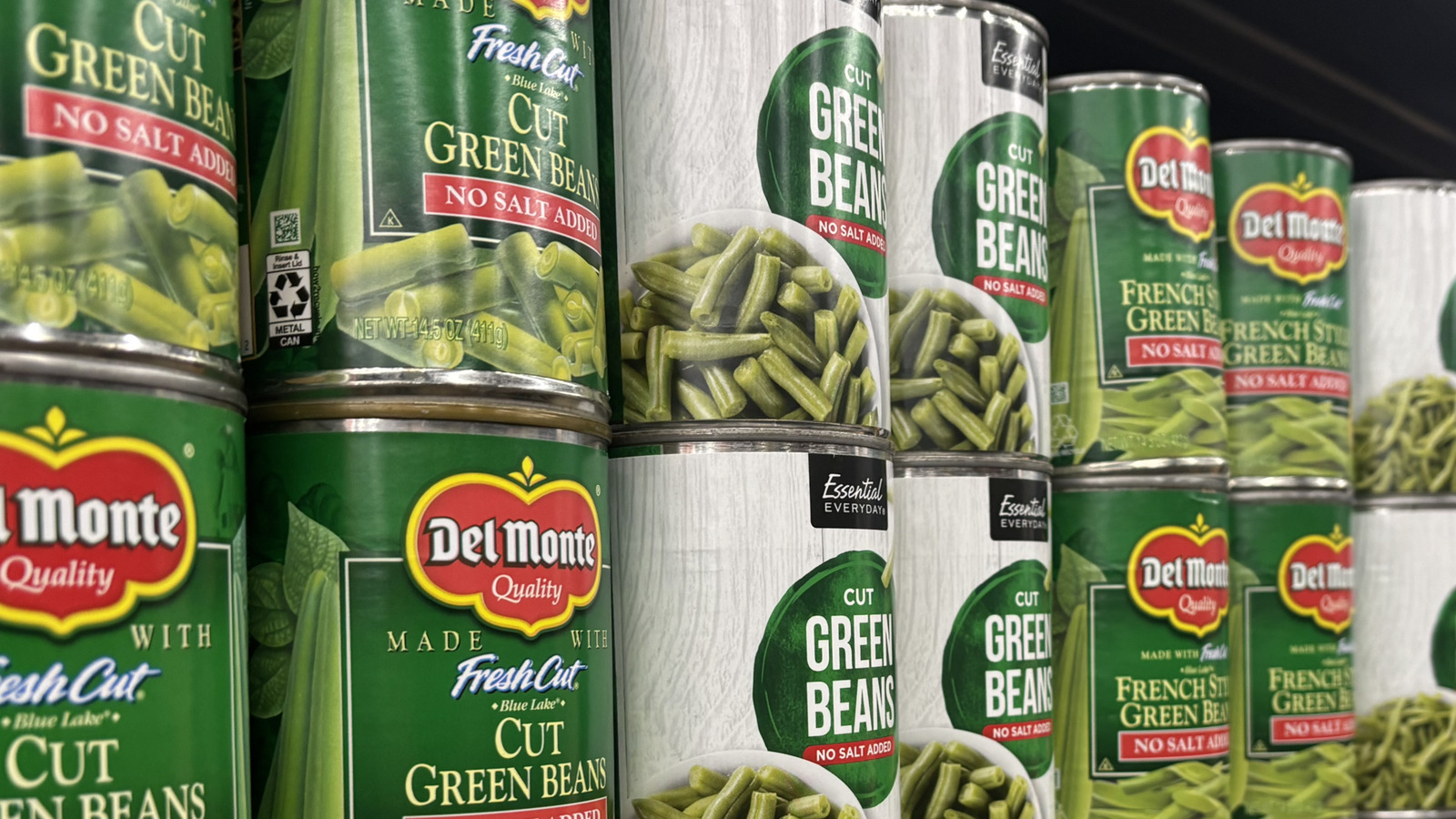
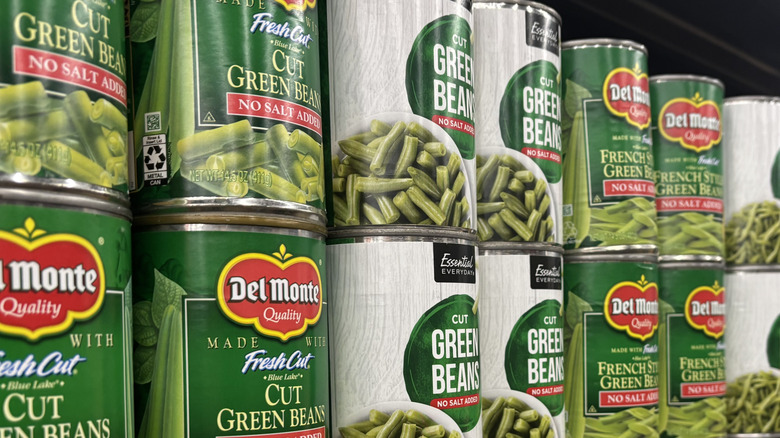
Canned green beans may not sound very appetizing, but with the addition of this one ingredient, you can upgrade those little green guys to a worthy side dish.
Mashed – Fast Food, Celebrity Chefs, Grocery, Reviews
George M. Steinbrenner Field (Tampa) – Brian Cashman walked into his office at the spring training facility for the New York Yankees and pulled up a TikTok video on his iPad. He had already seen this video but thought it was funny enough to watch it again. The team’s general manager laughed as the clip showed two men arguing with each other, before one of them threw his Big Gulp cup at a car. The liquid from the cup smothered the car windows, the men continued yelling, and the video ended. Watching inherently silly TikTok videos is “a nice diversion from the noise,” Cashman told me when we sat down in his office to discuss what it’s like being the longest-tenured GM in Major League Baseball. When he’s not scrolling, he’s busy building a championship-caliber roster, modernizing the organization with wide-ranging changes, and fine-tuning his baseball operations department. The noise, in this case, is a relentless stream of criticism and title expectations. Cashman, too, said he has a ticking clock in his head, reminding him that the Yankees haven’t won a championship since 2009. Due to that drought, criticism of Cashman has become as predictable as October in the Bronx. Every roster decision by the Yankees GM is dissected. Every postseason exit is used as evidence that the architect of baseball’s most successful and scrutinized franchise has lost his touch. Debate around Cashman has played out forcefully in New York. He’s anatomized on talk radio, across social media, and in the stands at Yankee Stadium. The argument is familiar: the Yankees should win more and spend more, and they should think differently. Cashman hears it all, even when he’s no longer trying to, even if he barely responds anymore. What the public sees, though, is only part of the story. “I’m pretty simple,” Cashman said. “The reason we’re able to adjust and change is because I am very open-minded, and I challenge our staff to be the same way. If someone’s doing something better than we are, we have to figure that out as fast as we possibly can, and then adapt and adjust and grow because of it.” Inside the organization’s walls and across major-league front offices, Cashman is revered as a brilliant executive who has survived multiple baseball eras and worked under two different ownership styles with aplomb. “It is next to impossible to have the longevity he’s had for any team,” Mets president of baseball operations David Stearns said. “To do it in New York makes it kind of unthinkable in this day and age. I think it speaks to his talent. I think it speaks to his leadership capabilities. It has to speak to his ability to compartmentalize and focus on what is important to do his job, and he’s done it incredibly successfully. Whenever he decides he’s had enough, we’ll all be celebrating in Cooperstown shortly thereafter.” Cashman started as a Yankees intern in 1986 in the minor-league scouting department. After he graduated from college, the team offered him a full-time job as a baseball operations assistant. Back then, analytics departments were tiny, sports science barely existed, and the game’s most famous franchise operated largely on instinct and tradition. Cashman took over as general manager in 1998 and has overseen four World Series titles and 23 postseason appearances. Since then, the Yankees have produced a winning record for 33 consecutive seasons, second longest in MLB history behind the team’s 39-season streak from 1926-1964. Cashman believes everything from the aesthetics of the Yankees clubhouse to the recent renovations inside the spring training facilities to the tireless work of his staff has played a significant part in making the organization a well-oiled winning machine. Plus, he’s constantly drawing inspiration from other marquee sport franchises. ”It’s not like I can intimately get behind the scenes of the Cincinnati Reds and see what they’re doing,” Cashman said. “But I can do that with the University of Kentucky. I can do that with the New York Giants or the Brooklyn Nets or Alabama football or, the New Zealand All Blacks or Manchester City or Arsenal or what have you. We can do that with a lot of different other environments or even businesses that aren’t sports related, and we try to engage and find out what drives their culture. “How do they manage their processes and why? And if they’re successful, why? Is it just because they have great leadership? Is it because they got lucky? Is it because they rely on certain core principles?” Key To Success: Constant Change Twenty or thirty years ago, Cashman struck up a conversation with a bartender at a Ritz-Carlton during a Yankees road trip and learned about their official Code of Conduct, a sheet of paper that every employee had to carry in their pocket at all times. It outlined ethical and behavioral guidelines for all employees of the luxury hotel brand, including management. Cashman doesn’t remember if he took a picture of the sheet or the bartender gave him a copy of one, but he took it home to study it. He found ways to embody those guidelines as a part of his own leadership styles. Through the years, Cashman has developed relationships with various sports executives, everyone from the Tampa Bay Lightning general manager Julien Brisebois to the Philadelphia Eagles GM Howie Roseman. They send each other articles on leadership and exchange ideas on how to improve. Cashman is still curious about outside ideas and finds ways to incorporate them into his baseball operations. Sometimes, that inspiration arrives in unusual ways. Recently, he went down an escalator at the newly renovated LaGuardia Airport and snapped photos of a design he liked. He shared it with his staff and Yankee Stadium operations, and they worked to incorporate the design into the ballpark. “Brian has tried to keep the Yankees more relevant and more current and modern,” former Yankees manager Buck Showalter told me. “And, all the while, he doesn’t take himself too seriously. I got a lot of respect for him, he started on the ground level and worked his way up.” Cashman learned from Showalter that altering the atmosphere in little and big ways prevents the environment from becoming stale. He believes part of the reason the Yankees went to the World Series in 2024 is because of the renovations he helped initiate at their Tampa facility that year. Cashman said that those multimillion-dollar upgrades, including a health and wellness center, extended batting cages, and a player lounge, compelled players to spend more time at the ballpark. His incessant hunt for fresh changes and ideas are all designed to help the on-field product produce more wins and have fun doing it. Netflix recently shared its company values with the public, and Cashman absorbed it like a sponge. “Constantly trying to change and remake yourself is important,” Cashman said. “I just want to find out what’s underneath the hood and what makes somebody or some company or some sports entity tick. And if they’re having success, there are reasons behind it.” Micro-Manager? ‘I’m The Opposite’ The public perception is that Cashman is stubborn. The fanbase’s disapproval of him reached an all-time intensity after the 2023 season, when the Yankees missed the playoffs and came under fire for their analytical approach. Cashman was on way to the annual GM Meetings that offseason when Yankees media relations tried to warn him about the brutal line of questioning headed his way. The heat was going to be turned all the way up, but Cashman wasn’t interested in mincing his words. In a lengthy scrum with the media, Cashman defended his front office in a curse-laden rebuttal of the perception that the Yankees should clean house because their baseball ops had become ineffective. The GM, criticized for protecting manager Aaron Boone and the rest of his coaches, analytics and player development staff, believes the negative public perception and the internal success of his baseball ops is worlds apart. The following season, the Yankees went to the World Series. He doesn’t regret a single word he said in that infamous scrum. “I’m definitely not a micro-manager,” Cashman told me. “I’m the opposite. I am someone that will hire people I consider smarter than me and that have expertise in that area. And then I empower you to do your job. I will support you every step of the way, including in that scrum, defending you to the hilt, because you still might not be on top. But if you’ve done everything you possibly could do, and you’re really good at what you do, then I’m gonna have your back no matter what.” Part of the reason that eruption from Cashman went viral was because he doesn’t say much these days. He also doesn’t read or listen to what people are saying about him. He doesn’t have social media on his phone anymore, besides TikTok. It’s a complete reversal of how he used to start his days, by returning calls from reporters and appearing on the field pregame to answer any questions and divulge his processes. In recent years, the GM has learned that explaining decisions rarely quiets criticism. It only fuels it. “The media coverage is completely different,” Cashman said. “To the point where now, I’m very reclusive.” While the debate about the Yankees’ direction continues outside, Cashman has increasingly stepped back from the conversation, focusing instead on the work inside the organization he has spent nearly three decades shaping. That’s not to say he’s at peace with the fan base’s perception of him. He knows a large segment of Yankees fans are frustrated that Cashman is running back the same roster this year as the one they ended with last season. “Stuff like that bothers me,” he said. After all, last year’s team tied the Toronto Blue Jays for the best record in the American League East before it lost to the Blue Jays in the AL Division Series. Plus, ace Gerrit Cole will return from injury this year. So it won’t be the same team as last season, he said. People are getting that wrong. Why, then, doesn’t he speak up more? “I’ve learned over the course of time, it doesn’t matter what you say,” Cashman said. “What do you do? I can try to fight like Don Quixote with the windmills out there and all those battles all the time. But is that a really efficient use of my time? “Like at the end of the day, I know all that’s going to matter is if we’re winning games. And even when we are winning games, it still won’t matter. Because there’s a lot of narratives out there that just aren’t the case. Like, to this day, I’m definitely frustrated with the one narrative that the manager is the puppet and we’re dictating his moves. None of it’s true.” Cashman has tried to refute a long-believed narrative that Boone doesn’t make any decisions, including lineup construction and in-game bullpen management, and that the GM maps out a game plan for the manager ahead of time. For years, he’s seen his comments get pulled apart, misinterpreted and weaponized. Cashman realized it was unhealthy for him to spend time fighting battles against false narratives. So he stopped, for the most part. “I’d rather people be right,” he said. “But I’ve gotten to a level, too, where it’s almost like I accept it. I can’t change people’s minds. They want to believe what they want to believe no matter what. It’s like politics and conspiracy theories. You can try to prove it scientifically, prove it with people testifying under oath or like, I can roll out former managers, you can ask those guys. It doesn’t matter. It doesn’t mean anything. People still say it. So it’s like, well, then what am I going to do?” Cashman’s Legacy? It’s Complicated Boone, sitting in his desk chair in his office at George M. Steinbrenner Field, leaned back and smiled as he recounted day-to-day instances of Cashman being a “practical joker.” One time, Boone was upset about something, and Cashman called the manager’s office phone and disguised his voice. Other times, he’s carried in his pocket some paper snappers, which produce a loud exploding pop when thrown, to mess with people. “He takes something that happens in our day-to-day, something serious, and he’ll lean into it and make it humorous,” Boone said. “But what I really admire about him is his consistency. He’s funny, but he’s willing to have any difficult conversation and hold people to the fire. To do it with the excellence he’s done, for as long as he’s done it, it’s remarkable. It takes a very special talent, evaluator, and vision to have that sustained excellence. Even though we haven’t won, he’s putting together a championship-caliber program all the time. I think he’s a Hall of Famer.” There is no job in baseball where success is defined so narrowly as the one Cashman holds with the Yankees. In most cities, consistent playoff appearances would be celebrated. In the Bronx, trips to October are treated as disappointments without, at the very least, a World Series appearance. That dynamic has made Cashman one of the most criticized executives in the sport — and one of the longest tenured. Cashman’s tenure is defined by a remarkable absence of losing seasons, a high level of sustained success, a lengthy championship drought and a heavy dose of frustration. It’s complicated. He finds it excruciatingly difficult to reflect on his career, particularly because he’s not done. He wants to change the narrative, and he knows the only way to do that is by winning. “Reggie Jackson was one of the most prolific home run hitters of all time,” Cashman said. “But he was also one of the most prolific strikeout leaders of all time. As the game is playing out, he might’ve had three strikeouts his first three at-bats. But he could always change the narrative with one swing. “So, I’m still swinging.”Latest Sports News from FOX Sports