Categories
Music

Country Next: Atlus

Before Atlus ever signed a record deal or moved to Nashville, he was living in Colorado driving semi-trucks for a living. Then, an unexpected connection with Jelly Roll completely changed the trajectory of his life.

Born in Indiana and raised primarily in Colorado after his parents split when he was just two years old, Atlus grew up in a single-parent household surrounded by poverty and addiction. Music became his therapy, and those early experiences now fuel the emotional honesty in his songwriting.

The singer began writing while racking up hours as a commercial truck driver, crafting lyrics behind the wheel to support his family and fund studio time. His first of two albums were written on the road and fittingly, the first time he connected with Jelly Roll, he was behind the wheel of a truck.
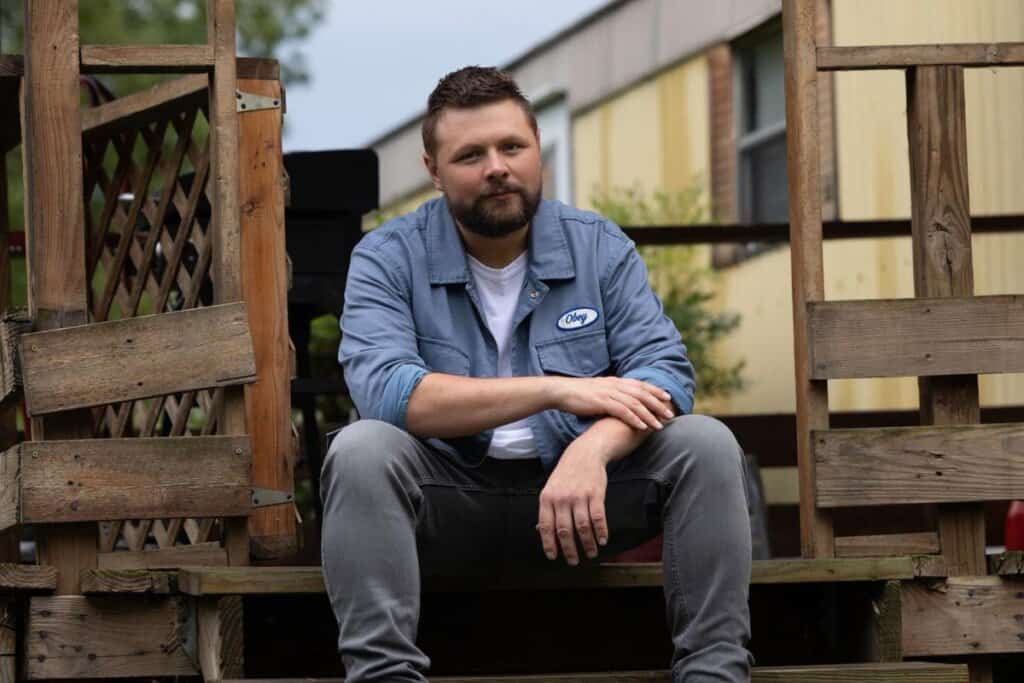
Photo Courtesy of Atlus

Soon after getting in touch, Jelly Roll flew him to Nashville in 2022, introduced him to key people in the industry, and helped point him in the right direction. That eventually led Atlus to sign with BBR Music Group/BMG Nashville and move to Music City, marking a new chapter in a career that had already been quietly gaining momentum.

Even before signing the deal, the “Devil Ain’t Done” singer earned over a billion on-demand global streams, a Platinum-certified single, a Top 5 Spotify Global Album, and more than two million social media followers on top of releasing four independent albums. Atlus is now gearing up to release his first full-length album as a signed artist, Art of Letting Go, arriving March 20 and marking his most personal project yet.

While the industry is just beginning to catch up with Atlus, the music itself has been years in the making. He sat down with Country Now to discuss his upbringing, Jelly Roll’s influence over his career, his new album and more in the exclusive Q&A below.

At what point during your upbringing did you turn to music as a way to express what you were going through? 

I think the first time music really hit me hit me was, I had a friend pass away in fourth grade. There is a Sarah McLachlan song, the “I Will Remember You” song. I remember hearing it and just crying to it. I just remember listening to it for 10 hours straight. I think that’s when I started using music as a way to help me through stuff. And then over time, my dad was huge into country. So after that, I found Rascal Flatts and Mark Wills, Mark Chesnutt. I’d always been singing, but fourth grade is when I really felt something. 

What was your experience like writing your first two albums while driving semi-trucks?

I was in this rock band when I was 19, 17 in high school. And we did a little bit of writing, but we never really went after it like we should have. And I think eventually when I went solo, I first quit my job, and I remember thinking, ‘what I need is, I need time for the band.’ And then you quit your job and then you realize, ‘oh, I don’t have money, so I can’t record anything.’ Then my brain flipped and I was like, ‘okay, I need to work more than one job if I want to pay for this stuff.’ So I was driving trucks and once I started doing that, I picked up a second job just so I could pay for studio time. But I knew that a truck was a place where you’re driving, you’re on your own and you’re driving long distances and usually a bunch of people are listening to podcasts or the radio so it just felt like the perfect time to write. I’m in the car for five hours with good speakers playing the music and, in my brain, it was funny. It was like my way of being a songwriter in Colorado. They’re paying me to deliver stuff, but in my head they’re paying me to write songs.

How did you eventually find your way to Nashville from Colorado?

I got to Nashville because Jelly Roll actually hit me up. And after years of just releasing a song once a month, we finally just had some music going and he DM’d me and he was like, “I love the music, Bubba.” And he’s like, “Call me. ” It’s funny because I remember when I first got this, I remember for a couple days I thought it was a dream. I woke up at 2:00 AM I think when he sent it. I looked at it and I went back to bed and I just didn’t think anything of it. I thought it was a dream. Two days later, I was like, “What if it wasn’t?” It popped in my head and I looked it up and I saw it and I was like, “Oh my gosh, I just left Jelly Roll on read for two days.” I felt like the worst human being that ever existed. I was like, “What am I doing?” And I sent him my number and a couple weeks later he calls me up and I was actually driving a truck and I pulled over real quick and was like, “Before we get into this Jelly, I got a 30 minute out. I’m on my lunch break. I have a hard out in 30.” He’s like, “What are you talking about?” I started telling him about how I’m a truck driver. And he’s like, “Kid, you have a gold record. What are you doing driving trucks?” I didn’t have a great response to that. I was just like, “It’s all I’ve ever known. I imagine I’m just going to keep doing that, but I’ll just do both.”

He was like, “Well, who’s your team?” And I was like, “Well, I got two homies from high school that filmed everything and we put it online and just my friends.” And he’s like, “I need you to meet some people, Bubba.” So he flew me out to Nashville, and he put me up in a hotel and he just introduced me, man. He introduced me to my manager and that’s how it all started. 

Photo Courtesy of Atlus

What’s your relationship with Jelly Roll like today? Do you ever get the chance to work together these days?

I think Jelly just, he didn’t really have time to be taking me under his wing, even bringing me out. So I think he just tried to nudge me in the right direction and just let me do my thing, but yeah, I love him. I’m sure when it cools down, I’m sure we’ll run into each other now and then. It’s just a good time always. 

Was it your interaction with Jelly Roll that made you realize things were starting to change for you?

Once I was out there with Jelly, I think that was a … I just trusted him. I know he knows what he’s talking about. And then when I started touring, I think was the first moment I was like, “Oh, things are different.” Getting a booking agent and stuff that just didn’t seem like something that I would ever have. When I first started, that music started taking off, I just didn’t believe it. I thought it was going to go away. All good things go away. I can’t even have that plan B. But I was too focused on plan B that eventually I started to realize, “oh, I guess I’m just going to keep doing this. I guess I can do it,” which is great because it’s my dream. I’ve always been scared to … I just didn’t think it would stick around as long as it has, and I’m happy that people are connecting with it. 

Your debut single, “Devil Ain’t Done,” has had good successes and even gained attention internationally. How does it make you feel seeing this song get such a positive response?

One, I was just excited for radio because that’s a big reason why I wanted to come to Nashville is because as a kid, you think that’s the coolest thing in the world is hearing a song through a speaker like that and being able to hear your own is amazing. But when we took it to Australia and it got to number four, I definitely didn’t expect it to do that. I think we’re about to break the top 50. It’s just moving. So I mean, I’m always cautiously optimistic. I never like to think it’s going to go number one or even go top 50. If it does, it gets me even more excited. 

That leads us into your fifth studio album, Art of Letting Go. It’s your first as a signed artist so talk about how this project represents this chapter of your life.

I think there’s just cuts on here of definitely a lot of things I’ve been avoiding. A big one was “Art Letting Go,” which is just the loss of my sister and her battle with drug addiction and what that’s done to our family. And also with “Baby Momma,” how our family, how we grew up very poor and the environment and I think it’s just very storytelling in terms of, before it’s been a lot of breakup songs, but I really dove into the childhood on this one just to kind of give you an idea of how I grew up and how it was. And that’s why I love about this record. It’s definitely more personal. And “Art of Letting Go” is kind of like me letting go of these negative things that I’ve been holding onto. And that’s kind of why we planned on that as the title for the album. 
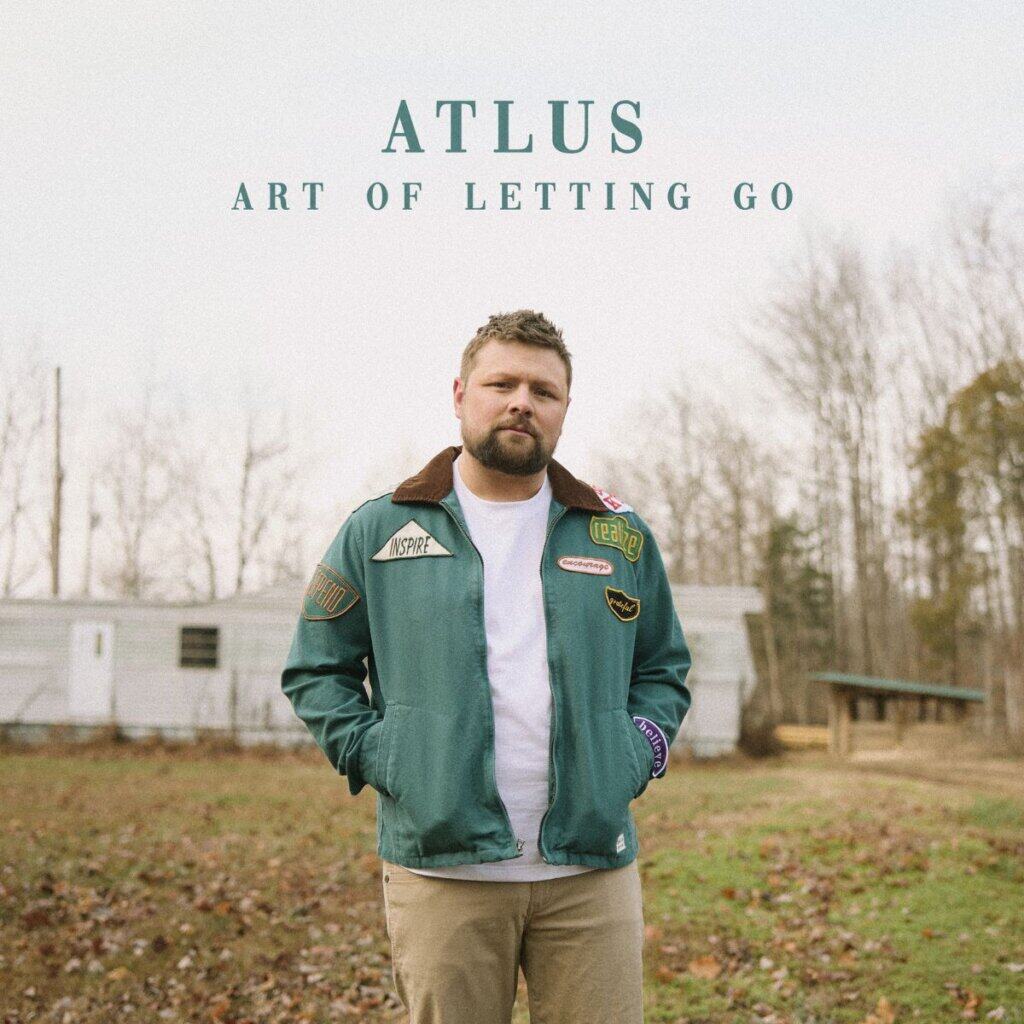
Atlus; Art of Letting Go

So what was it like trying to narrow down this track list when you have so many personal songs? 

I wrote down 15 songs, titles that could relate to how I grew up…and Second Hand Smoke was one of them. And when we went to the writer room, and that’s why I think “Secondhand Smoke” starts it because it tells everything. It says you got to work hard and it also shows that my mom used cigarettes to get through it all. And I don’t think I’ve ever heard secondhand smoke as a positive thing, but in my life, it’s always been positive because it’s the thing that got my mom to get up and work two jobs, to get up and stay motivated and take care of us. And that was her moment of…She got five moments a peace, and it was when she was on the back porch with a Pall Mall, not a Marlboro.

What does it mean to you to see fans connect with these songs in their own lives?

When we were performing at a festival, we played “Secondhand Smoke” even before it was out. My camera guy at the time was filming and he said there’s a guy that literally said, “That’s my grandpa.” And it’s nice to see people connect with it. I’m hoping that songs like that in Art Letting Go can help people through a lot of stuff. Art of Letting Go has had a lot of big moments on socials, getting a lot of views and attention just in terms of just someone losing someone to addiction. And it’s been good to see people not feel alone in the comment section. 

Fans can keep up with Atlus on Instagram.

The post Country Next: Atlus appeared first on Country Now.

​Country Now

Categories
Alaska News

Arctic Alaska oil and gas lease sale draws record bidding, despite legal clouds

Two caribou in the Teshekpuk herd are seen on June 27, 2014, in the National Petroleum Reserve in Alaska. (Photo by Bob Wick/U.S. Bureau of Land Management)

Two animals in the Teshekpuk Caribou Herd are seen on June 27, 2014, in the National Petroleum Reserve in Alaska. A right-of-way agreement reinstated through a federal court order protects the Teshekpuk Lake area and the habitat used by the caribou herd named for the lake. But in an oil and gas lease sale, the Trump administration auctioned off tracts in that right-of-way area nonetheless. (Photo by Bob Wick/U.S. Bureau of Land Management)

A controversial oil and gas federal lease sale in the National Petroleum Reserve in Alaska generated a new bidding record, according to results released on Wednesday. It was the first auction held in that Arctic Alaska territory since 2019.

The lease sale produced $163 million in high bids, beating the $104 million mark set during the first competitive oil and gas lease sale in the Indiana-sized reserve, which was held in 1999 during the Clinton administration.

Eleven companies submitted bids for more than 1.3 million acres of the nearly 5.5 million acres offered in the auction.

Kevin Pendergast, Alaska state director for the U.S. Bureau of Land Management, called the results “historic.”

“This is the strongest sale we have ever had in the National Petroleum Reserve in Alaska by nearly every measure. It makes clear that for the NPR-A, despite all the successes to date, the best days are still ahead,” Pendergast said at the conclusion of the bid opening, which lasted about two hours.

In statements issued after the bid reading, federal and state officials hailed the results.

“Today’s lease sale underscores the National Petroleum Reserve in Alaska’s vital role in strengthening America’s energy security while fueling economic growth across Alaska,” Secretary of the Interior Doug Burgum said in a statement. “The Reserve was created to support our nation’s energy needs, and this successful sale demonstrates what’s possible when we align responsible development with that original purpose.”

Gov. Mike Dunleavy celebrated the results in a Facebook post that thanked President Donald Trump “for believing in the great State of Alaska.”

“Today’s record setting NPR-A lease sale is a major win for our state and our country. It reinforces Alaska’s role as a reliable energy producer, supports high-paying jobs for our families, generates additional revenue for the state, and strengthens American energy security at a time when energy security is more important than ever,” he said in the post. “Alaskans have demonstrated that we know how to unlock our vast resources while protecting the land for future generations. This is exactly the kind of balanced, commonsense progress Alaskans have been calling for.”

The lease sale was one of five mandated in the reserve over the next 10 years by the sweeping budget and tax bill called the “One Big Beautiful Bill Act.” That mandate calls for lease sales to be conducted under a Trump administration management plan that opened 82% of the reserve to oil development. Previously, the Obama administration held annual lease sales in the petroleum reserve, but that administration’s management plan protected about half of the land through the designation of “special areas” considered important to wildlife and to Native cultural practices.

Prominent bidders were energy giants ConocoPhillips and Repsol, which are already active in the area. ConocoPhillips is developing a huge project within the reserve, the Willow Ppoject, that is expected to produce up to 180,000 barrels a day after its expected startup in late 2029. Repsol is a partner in another huge oil field, Pikka, which is on state land bordering the reserve and is set to start production this year.

Late-afternoon sunlight bathes the ConocoPhillips building in downtown Anchorage on March 10, 2026. (Photo by Yereth Rosen/Alaska Beacon)
Late-afternoon sunlight bathes the ConocoPhillips building in downtown Anchorage on March 10, 2026. ConocoPhillips, long active in the National Petroleum Reserve in Alaska, was a major bidder in the lease sale held Wednesday. (Photo by Yereth Rosen/Alaska Beacon)

The petroleum reserve and adjacent state and Native-owned lands along its eastern border are considered highly prospective for new oil finds because of a geological feature called the Nanushuk Formation that underlies it.

Federal officials auctioned tracts of protected land

Much of the bidding in Wednesday’s sale was for territory that was previously off-limits to oil development under protections that date as far back as the Reagan administration.

The inclusion of long-protected land in the sale, predominantly the area around ecologically sensitive Teshekpuk Lake, made the lease sale contentious. It is the subject of two lawsuits filed by Native and environmental groups.

Bids were accepted even for tracts within an area encircling Teshekpuk Lake, the North Slope’s largest lake, despite a federal court order issued Monday that reinstated development prohibitions there.

U.S. District Court Judge Sharon Gleason on Monday issued an injunction reinstating a right-of-way agreement with Nuiqsut Trilateral Inc., a partnership of Nuiqsut’s city and tribal governments and Kuukpik Corp., the village for-profit Native corporation.

Nuiqsut, an Inupiat village of about 500, is the community closest to oil development occurring in the reserve, including the Willow project. Under the agreement, oil development is banned within the right-of-way territory, though the Nuiqsut Trilateral Inc. has the right to waive that ban.

The court ruling was not mentioned Wednesday when BLM officials in Alaska opened the bids.

But in a statement issued later in the day, the U.S. Department of the Interior acknowledged that BLM did sell tracts that lie within the Nuiqsut right of way and that legal issues concerning those tracts remain.

“We can confirm that lease offerings within the right of way are included in today’s sale. Any lease issuance for tracts within the right of way will be consistent with the court’s order,” the statement said.

DOI officials did not elaborate on how they would follow the court order. 

Criticism of expanded lease offerings, but praise as well

The Trump administration’s decision to auction off long-protected land, and especially its decision to press forward with leasing of tracts within the Nuiqsut right of way, dismayed critics.

A map shows the tracts within the National Petroleum Reserve in Alaska that are at issue in two lawsuits targeting the Trump administration's management of the land unit. The orange tracts are in previously protected areas that were off-limits to leasing. Some tracts are within the Nuisuit Trialateral Inc. right of way and the subject of that organization's lawsuit. A lawsuit filed by the Native organization Grandmothers Growing Goodness and The Wilderness Society is seeking to prevent leasing in all of the tracts colored orange. (Map provided by Layla Hughes, one of the plaintiff attorneys)
A map shows the tracts within the National Petroleum Reserve in Alaska that are at issue in two lawsuits targeting the Trump administration’s management of the land unit. The orange tracts are in previously protected areas that were off-limits to leasing. Some tracts are within the Nuisuit Trialateral Inc. right of way and the subject of that organization’s lawsuit. A lawsuit filed by the Native organization Grandmothers Growing Goodness and The Wilderness Society is seeking to prevent development in all of the tracts colored orange. (Map provided by Layla Hughes, one of the plaintiff attorneys)

Among them was Rosemary Ahtuangaruak, leader of one of the plaintiff groups suing the Department of the Interior over its management of the petroleum reserve. She criticized the Trump administration for abandoning protections deemed important for several generations of Indigenous North Slope residents.

She cited in particular a narrow corridor of land northeast of the lake that is important to migration of the Teshekpuk Caribou Herd. The BLM accepted a $2 million bid from a company called Epoch Oil and Gas LLC for a large block within that migration corridor.

“It’s very concerning that they’re not putting a better foot forward in protecting what’s important about this area,” said Ahtuangaruak, a resident of Nuiqsut and leader of the group Grandmothers Growing Goodness. “For me, it’s really important that we push back on the activities that are encroaching around us.”

She said it was hard for her to watch the latest lease sale unfold because it added to a pattern of development encroaching on the village and resulting problems like air pollution and the January accident that overturned a huge drill rig intended for ConocoPhillips work in the area.

“It’s painful every time I watch these because these are important traditional land use areas. And the further they get into the Teshekpuk Lake area, the more traditional land use areas are going to be impacted,” Ahtuangaruak said.

The Trump administration’s decision to press ahead with auctioning land within the area protected by the Nuiqsut Trilateral right-of-way agreement drew particular ire from critics.

A plain reading of the right-of-way agreement shows that leasing in that area is not allowed without a waiver from the Nuiqsut group, said Andy Moderow of the Alaska Wilderness League.

“For the administration to not even acknowledge that is absurd,” he said.

In contrast, a different organization representing Indigenous people of the North Slope, Voice of the Arctic Iñupiat, praised the Trump administration’s management of the lease sale and celebrated its results.

“Today’s lease sale proves what we have been saying for years: when there is meaningful policy in place supporting responsible onshore development, industry interest will follow,” Nagruk Harcharek, Voice of the Arctic Iñupiat’s president and chief executive, said in a statement. “Over the past year, we have supported the Trump-Vance administration and Congress’s efforts to build more durable policies affecting our homelands. This successful NPR-A lease sale is a gratifying reminder (of) our work that will strengthen our self-determination for generations to come.”

Half of the royalties derived from oil production in the National Petroleum Reserve are designated for North Slope communities through a grant program established in federal law.

A competitive auction

Lease sale bidding was competitive, with some tracts receiving as many as six different offers. ConocoPhillips focused much of its bidding on tracts near the eastern border of the lease sale area and closest to its Willow project.

A pair of tundra swans swim on a lake on June 25, 2014, in the northeastern part of the National Petroleum Reserve in Alaska. (Photo by Bob Wick/U.S. Bureau of Land Management)
A pair of tundra swans swim on a lake on June 25, 2014, in the northeastern part of the National Petroleum Reserve in Alaska. The northeastern part of the reserve is highly prospective for oil, But it also has wetlands, including Teshekpuk Lake and various smaller lakes, that are important to birds that migrate from as far away as Antarctica. (Photo by Bob Wick/U.S. Bureau of Land Management)

ConocoPhillips did not bid for any tracts within the Nuiqsut Trilateral right of way, however,

Exxon Mobil was among the companies that bid for tracts within the right-of-way area, emerging as the apparent winner of tracts along the southern shore of the lake.

The lease sale marks a return to Alaska of sorts for Exxon.

While it maintains part ownership of the Prudhoe Bay field and the trans-Alaska oil pipeline, Exxon pared down its Alaska presence in recent years. In 2021, it transferred the operator position at the Point Thomson field to Hilcorp. Earlier that year, the company dropped its longtime corporate sponsorship of the Iditarod Trail Sled Dog Race.

Also returning to Alaska through the lease sale is Royal Dutch Shell. The bids submitted by Repsol were in partnership with Shell Frontier Oil and Gas Inc., a company subsidiary. Several of those Repsol-Shell winning bids were for over $2 million per tract.

Shell engaged in an expensive Arctic offshore exploration program in past years that turned out to be a failure. After spending at least $7 billion and wrecking a drill ship, Shell in 2015 abandoned its Arctic offshore program and eventually dropped its leases in the Chukchi and Beaufort Seas. The company in 2024 relinquished leases in state offshore territory.

Another active bidder was North Slope Exploration LLC, which is a unit of Denver-based Armstrong Oil and Gas. The company was the high bidder on over 70 tracts, according to preliminary results, adding to acreage in the reserve acquired during the 2019 lease sale.

The debate continues

While there is excitement among development supporters about the big sale, legal questions about the lease sale and the management plan under which it was conducted persist.

While Gleason on Monday issued the preliminary injunction reinstating the Nuiqsut Trilateral right of way, thus erecting a roadblock to any oil development in that approximately 1-million-acre area, on Wednesday she rejected the request from Ahtuangaruak’s group for a broader injunction that would have barred leasing in a wider region around Teshekpuk Lake.

Gleason, in her Wednesday ruling, said the Grandmothers Growing Goodness-Wilderness Society plaintiffs could try for another injunction should the BLM authorize any surface-disturbing activities in the formerly protected area.

That lawsuit remains active, as does the lawsuit filed by Nuiqsut Trilateral Inc., which is seeking a permanent reinstatement of the right-of-way agreement.

SUPPORT: YOU MAKE OUR WORK POSSIBLE

Categories
Music

Jelly Roll Responds to Bunnie Xo’s Haters

In a world quick to judge, Jelly Roll is setting the record straight about love, loyalty, and those pesky gold digger rumors. Continue reading…​The Boot – Country Music News, Music Videos and Songs

Categories
Music

Jelly Roll Responds to Bunnie Xo’s Haters

In a world quick to judge, Jelly Roll is setting the record straight about love, loyalty, and those pesky gold digger rumors. Continue reading…​Country Music News – Taste of Country

Categories
Uncategorized

Information is a battlefield: 4 questions you can ask to judge the reliability of news reports and social posts about the US-Iran war

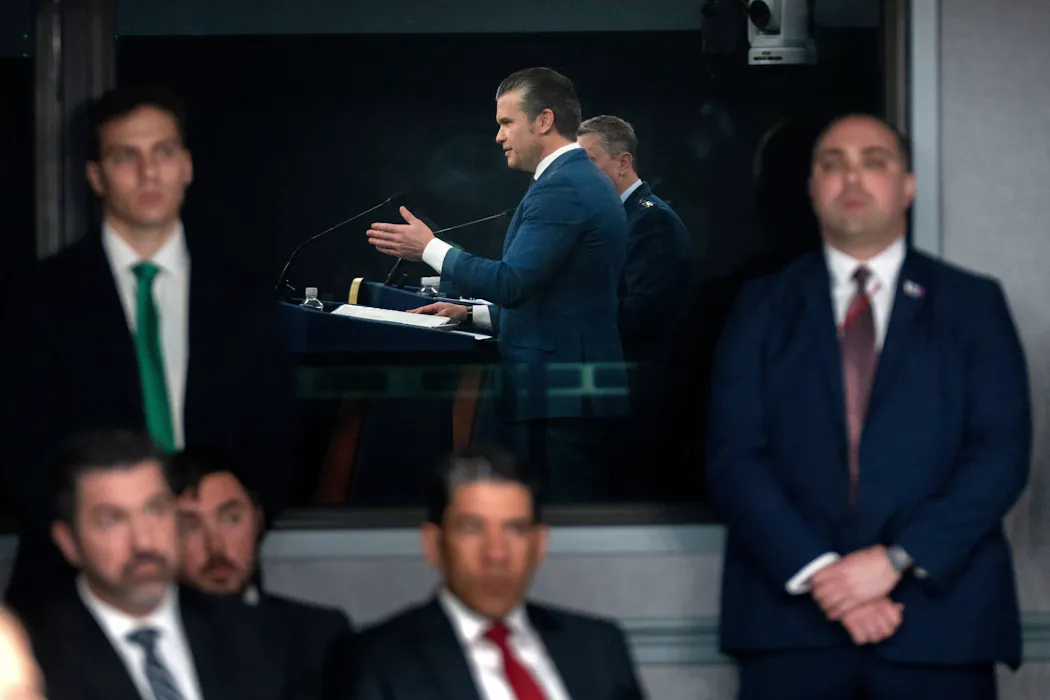
Staff members watch as Defense Secretary Pete Hegseth speaks during a press briefing at the Pentagon on March 2, 2026. AP Photo/Mark Schiefelbein

Historically, when the U.S. has undertaken military action against foreign governments, journalists have relied heavily on government sources and rallied “’round the flag,” often uncritically sharing official narratives about U.S involvement. This has been evident during periods of U.S. military engagements in Vietnam, Iraq and Afghanistan.

Recently, however, the Pentagon has restricted access for legacy news organizations. And on March 14, 2026, Brendan Carr, chairman of the Federal Communications Commission, replied to a social media post from President Donald Trump complaining about reporting on U.S. involvement in Iran. Carr threatened to deny license renewals to broadcasters not operating in the “public interest.”

“The People of our Country understand what is happening far better than the Fake News Media!” Trump asserted in his original Truth Social post.

This hostile relationship between journalists and a presidential administration is only part of the story about what is or isn’t happening on the ground in Iran and the Middle East.

In times of conflict, information about military activity can be seen as another domain of conflict, much like air, land and sea. Countries, including Iran, have long tried to manipulate information to persuade or influence what people think outside the region.

A preprint, not yet peer-reviewed study authored by academics affiliated with the U.S. Air Force and the U.S. Air Force Academy describes increased government funding and attention to “cognitive warfare,” or efforts to influence what people think through strategic messaging.

A common call to action from advocacy and educational groups in politicized situations where misinformation weighs heavy is to teach media literacy. Conventional wisdom holds that if people only knew how to read the news and look for bias, they would understand a situation more clearly.

As a journalism scholar and educator, I agree that media literacy is valuable. But it’s also time-consuming. It’s impractical to complete a full training or curriculum when faced with immediate current events. As an abbreviated measure to assess the current Middle East conflict, readers can start with the premise that information is contested and an extension of the battlefield.

Key questions to ask

This assumption reframes news not as something that finds a reader by chance, but as something someone wants a reader to see. It primes readers’ critical thinking.

Then readers can consider some key questions:

Why does the author of this information want me to see this?

The obvious answer is that they think it’s important, but what are they focused on? Military progress? One actor in the conflict? Civilian responses? Public opinion? Diplomacy? Asking these questions helps assess what is left out and helps readers resist the temptation to extrapolate details they can’t know from a single news story.

What information does this person or organization have access to?

Because Iran is inaccessible to many journalists, readers must be especially careful about reporting purporting to know or show what is going on inside Iran. For sure, information is coming out via citizen reports and social media, but it is hard to verify and interpret.

An aerial view of dozens of graves.
Graves dug for coffins of students killed in a bombing on a girls elementary school in Minab, Iran, are seen during a mass funeral on March 3, 2026.
Stringer/Anadolu via Getty Images

Relatedly, and especially when consuming content from social media, readers can ask:

What about an author’s personal experience may inform their interpretation of events?

Media produced for and by diasporas – people displaced from their country of origin by choice or force – is a good source for contextualized and expert information about conflicts in their country of origin. But diasporas can also be deeply political and strategic in what they share. As a general consumer, readers don’t need to get to the bottom of the veracity of the information they share. Readers can simply be aware of disaporas’ positions so they can factor this into their interpretation and understanding of the conflict.

What do different people or organizations have to gain or lose by people widely seeing specific information?

If information is a battlefield, actors will make strategic choices in what they will share with the public. Sometimes they will shield information from the public or deny information. However, undesirable and unflattering information occasionally gets out and circulated, as was the case when a missile struck an Iranian elementary school.

Politicians will want to show they are winning. Journalists may want to show they are being a watchdog on the government. Readers can consider the goals of both the authors and the sources they cite when trying to orient themselves around the information they share.

Transparent fact-checking

Beyond media literacy, there are several potential short cuts to finding accurate information about immediate events in Iran.

First, readers can look for opinions and commentary from established experts on the Middle East, Iran, oil, the military and other related fields. Too many readers claim expertise after reading a few popular articles or listening to a podcast.

Instead, they can look for people who have been observing and researching the region for years – people whose work has been already validated by peer review. As a starting place, readers can look for subject matter experts on the social network LinkedIn or search for research on Google Scholar. Readers can also see whether authors of older popular books are writing about contemporary events on websites or blogs.

Cars drive by a building with a picture of a U.S. flag and air carrier on it.
Vehicles pass a billboard in Tehran, Iran, on Feb. 22, 2026, depicting a U.S. aircraft carrier with damaged fighter jets on its deck.
AP Photo/Vahid Salemi

Think tanks that produce research reports may also be helpful, but sometimes think tanks with neutral-sounding names are politically affiliated. A close read of the “About Us” page and perusing the list of funders can offer some helpful clues.

Finally, perhaps the most efficient way to evaluate what is happening in Iran is to follow fact-checking and open-source reporting organizations. These groups often do a better job showing their assessment work and linking to evidence than do traditional news outlets, which focus on narrative structure and a cohesive final product.

Poynter, a nonprofit journalism institute, recently detailed the work of Factnameh, run by an Iranian fact-checker in exile. Bellingcat and Indicator are two excellent open-source reporting organizations that use public data to investigate whether actual events match circulating narratives.

And sometimes traditional news organizations do similar types of investigations, such as this example of The Associated Press debunking video misinformation in Iran.

The transparent methods of fact-checking and open-source sites can also serve as interactive exercises in media literacy. Both Bellingcat and Indicator regularly showcase information validation tools that readers can use.

Regardless of how much effort readers choose to spend on evaluating the accuracy of reporting on Iran, none of us are watching the battle from the sidelines.

The Conversation

Andrea Hickerson does not work for, consult, own shares in or receive funding from any company or organization that would benefit from this article, and has disclosed no relevant affiliations beyond their academic appointment.

​Politics + Society – The Conversation

Categories
Health

Gwyneth Paltrow’s Daily Diet Has Caused Controversy Throughout The Years

Actress Gwyneth Paltrow is well known for her devotion to a healthy lifestyle, especially when it comes to diet. However, her choices have caused controversy.

​Health Digest – Health News, Wellness, Expert Insights

Categories
Entertainment

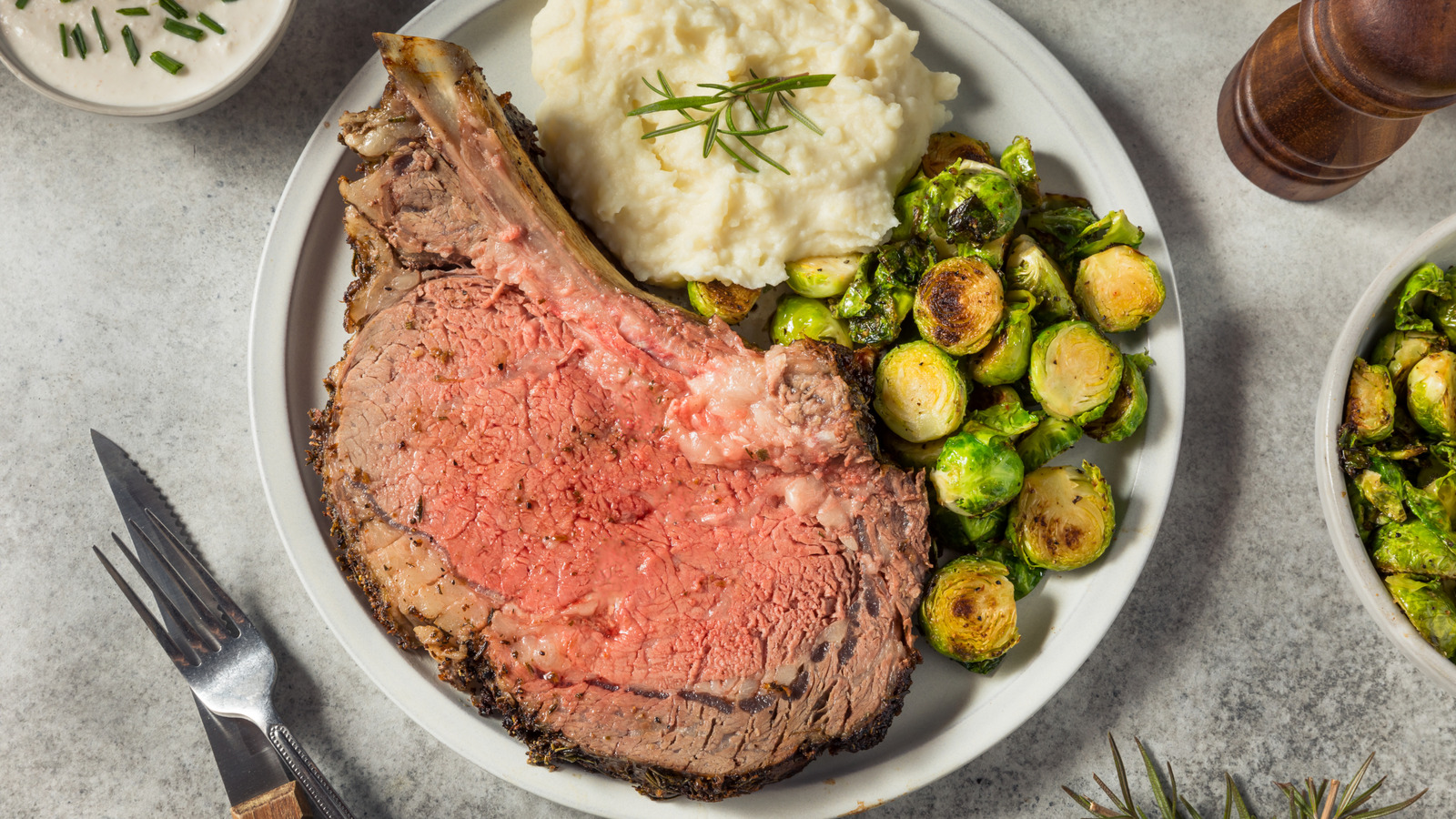
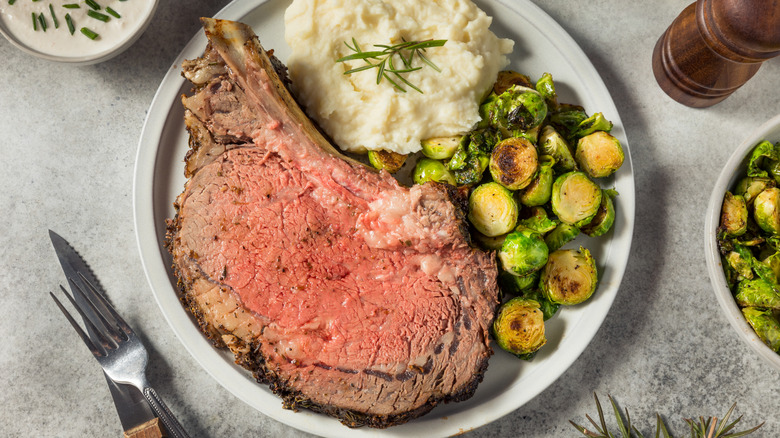
Buying Prime Rib? Pay Attention To This Detail At The Store If You Want A Juicy Cut

The presence of prime rib makes a meal feel fancier, but it needs to taste great. For high-quality beef, look for this feature on the meat before you buy it.

​Mashed – Fast Food, Celebrity Chefs, Grocery, Reviews

Categories
Music

Corey Kent Shares What Jason Aldean Is Like Offstage [EXCLUSIVE]

Corey Kent explains the little thing that Jason Aldean did that shows he really cares. Continue reading…​The Boot – Country Music News, Music Videos and Songs

Categories
Music

Corey Kent Shares What Jason Aldean Is Like Offstage [EXCLUSIVE]

Corey Kent explains the little thing that Jason Aldean did that shows he really cares. Continue reading…​Country Music News – Taste of Country

Categories
Entertainment

10 International Costco Kirkland Products We Wish Were In The US

There are lots of delicious-looking food items for sale at Costco stores around the world that we’d love to see stocked in the United States.

​Mashed – Fast Food, Celebrity Chefs, Grocery, Reviews