Kelly Clarkson will soon be singing a different professional tune.
As previously reported, the beloved singer and celebrity confirmed a few weeks ago that she would be ending her popular talk show this fall after seven seasons on the air.
Not because it was faltering in the ratings.
But because Clarkson needed to shift her focus.
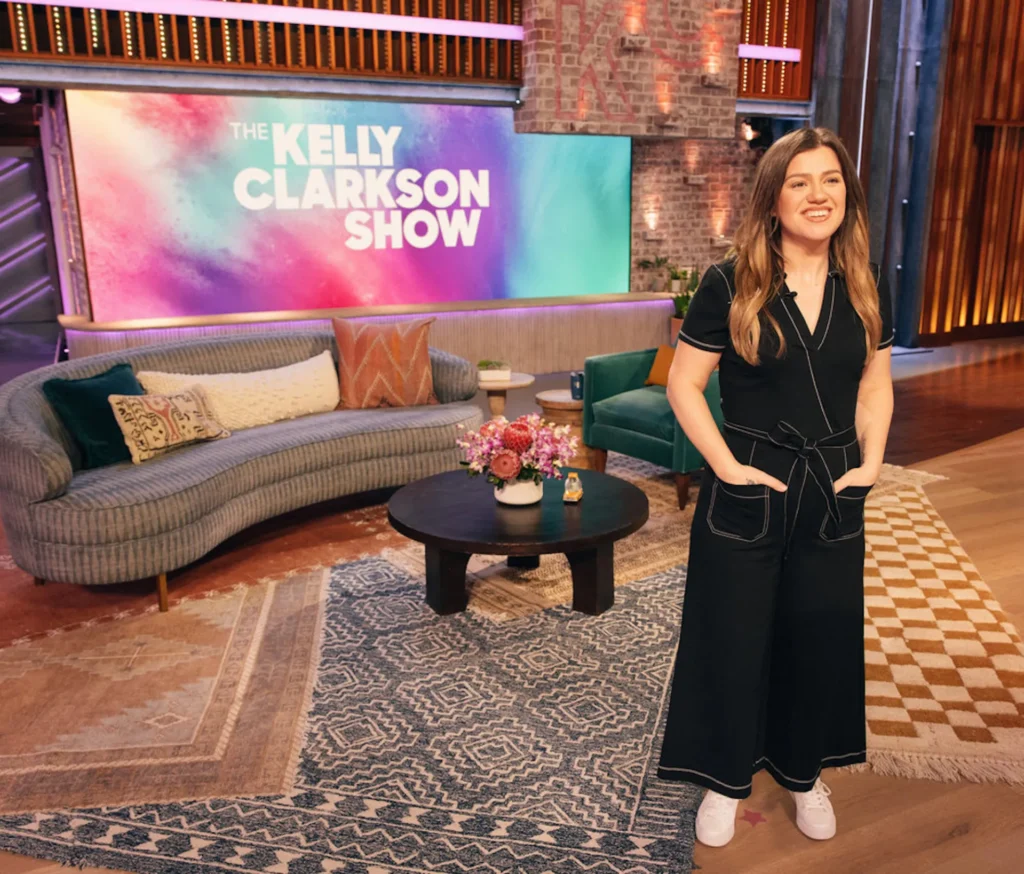
(Weiss Eubanks/NBCUniversal)
Said the original American Idol champion at the time:
“Stepping away from the daily schedule will allow me to prioritize my kids, which feels necessary and right for this next chapter of our lives. This isn’t goodbye. I’ll still be making music, playing shows here and there and you may catch me on The Voice from time to time … you never know where I might show up next.
“But for now, I want to thank y’all so much for allowing our show to be a part of your lives, and for believing in us and hanging with us for seven incredible years.”
Appearing on the February 20 episode of Today, meanwhile, Clarkson elaborated on this decision — which she arrived at after her ex-husband (and the father of her two children) passed away last August after a battle with cancer.
“I think everybody probably gets the timing,” the 43-year old explained. “Our family life, the dynamic changed a bit, and it has changed for a minute now, so I think … it’s one of those things when you kinda start seeing life with how it is precious, too.”
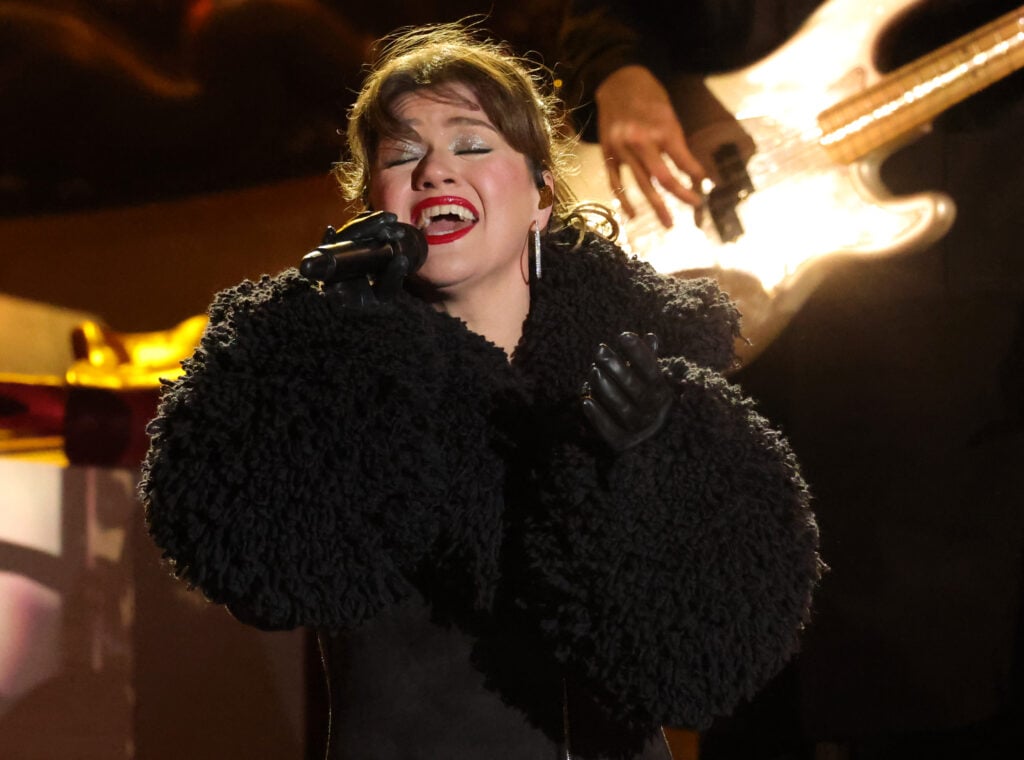
Kelly Clarkson performs during the 2024 Rockefeller Center Tree Lighting Ceremony on December 04, 2024. (Photo Credit: Michael Loccisano/Getty Images)
Clarkson shared kids River Rose, 11, and Remington, 9, with Brandon Blackstock, who passed in 2025 at age 48.
The beloved artist broadly addressed this tragedy in a social media message about a month later — and has been understandably devastated ever since, according to those close to her.
“I know everybody thinks, ‘Oh, she’s quitting,’ but I still have other jobs,” Clarkson emphasized to Today anchor Carson Daly. “I’m still doing stuff. There’s just too much on the plate. So I was like, you know what, it’s time to kinda pull back.”
If anyone is somehow blaming Kelly Clarkson for quitting, well… that person ought to take a long, deep look in the mirror.
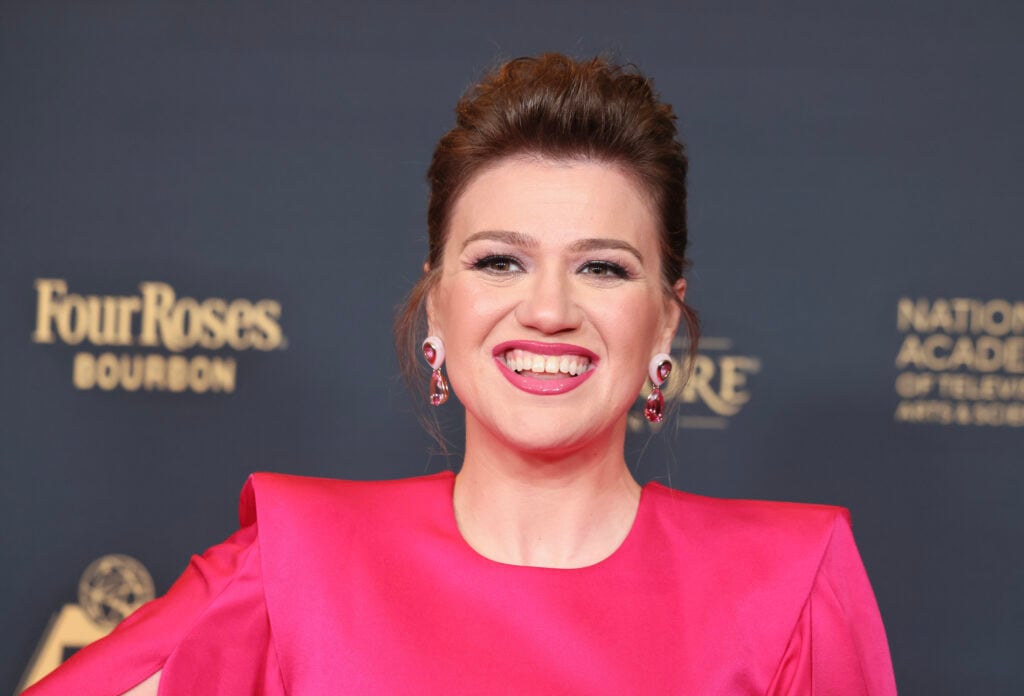
Kelly Clarkson attend the 51st annual Daytime Emmys Awards at The Westin Bonaventure Hotel & Suites, Los Angeles on June 07, 2024. (Photo Credit: Rodin Eckenroth/Getty Images)
Clarkson continued on Friday morning:
“It’s amazing, that’s what was really hard [because] the crew’s been incredible. … That was a really hard thing for me, but an easy decision there as a momma.”
While announcing that The Kelly Clarkson Show’s seventh season would be its last, Clarkson gushed over the community she built behind the scenes.
“I have been extremely fortunate to work with such an outstanding group of people at The Kelly Clarkson Show, both in Los Angeles and New York.
“There have been so many amazing moments and shows over these seven seasons. I am forever grateful and honored to have worked alongside the greatest band and crew you could hope for, all the talent and inspiring people who have shared their time and lives with us, all the fans who have supported our show and to NBC for always being such a supportive and incredible partner.”
Before Nashville became her home away from home, Brooke Lee had to earn her place in the city with late nights on Broadway, early mornings at day jobs, and a whole lot of networking in the community. That grind helped shape her into the artist she is today, as she prepares for a big year ahead, including a national campaign spot, a major tour opportunity, and the release of her sophomore EP.
Brooke Lee; Photo by Hannah Van/@staygoldhan
Music has been a part of Lee’s life for as long as she can remember, but a concert at 13 with her dad showed her she was destined for the stage. Her dad continued to support her dreams from that moment forward, acting as her manager in the band she formed a few years later. This would eventually give her the boost to move to Nashville at 21 years old and launch the next phase of her career.
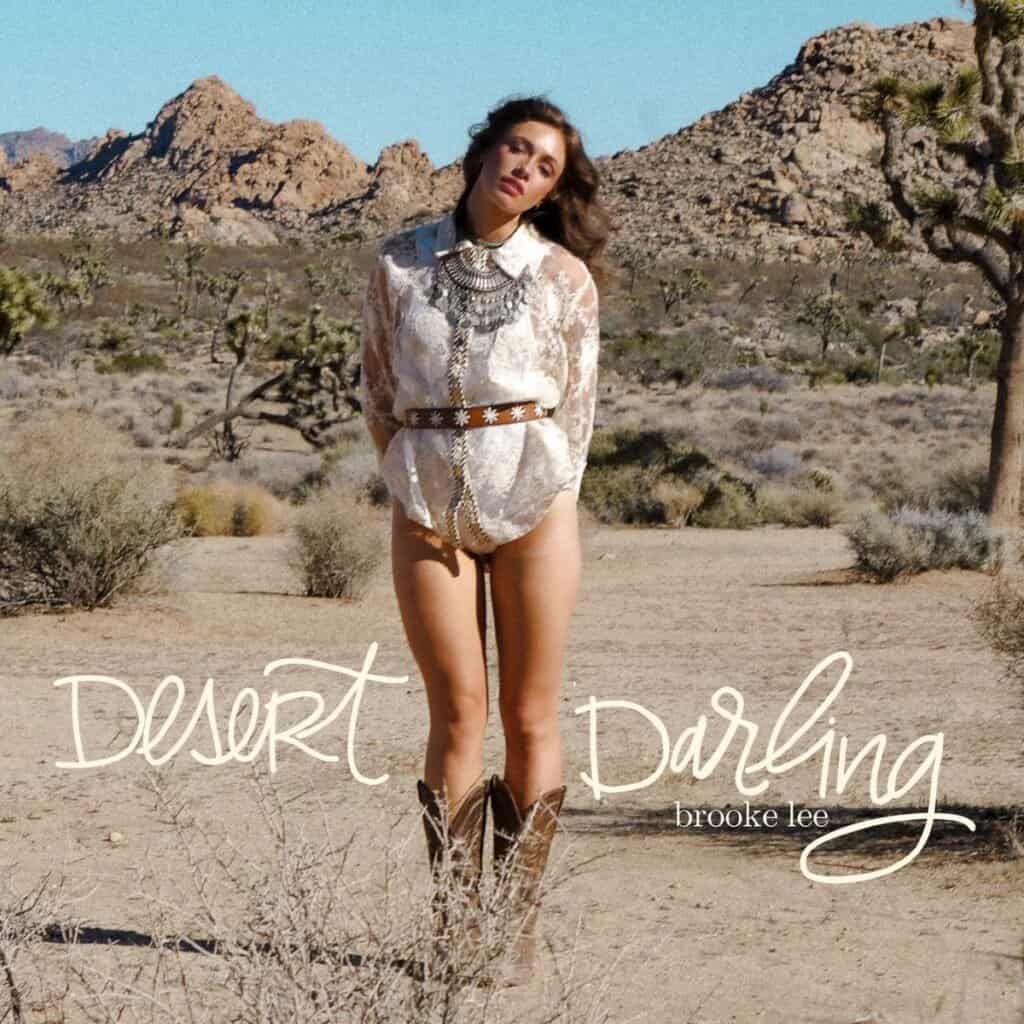
Now working alongside Spirit Music Publishing and signed with CAA, Lee is looking forward to dropping sophomore EP, Desert Darling, on April 17. Leading the six-song project is her newest single, “Burn To Black,” which offers a powerful, mid-tempo look at heartbreak and captures the kind of memories that are hard to escape when you fall too fast and too hard. Additionally, the songstress just dropped the title track to the forthcoming project, giving fans another look at what’s to come.
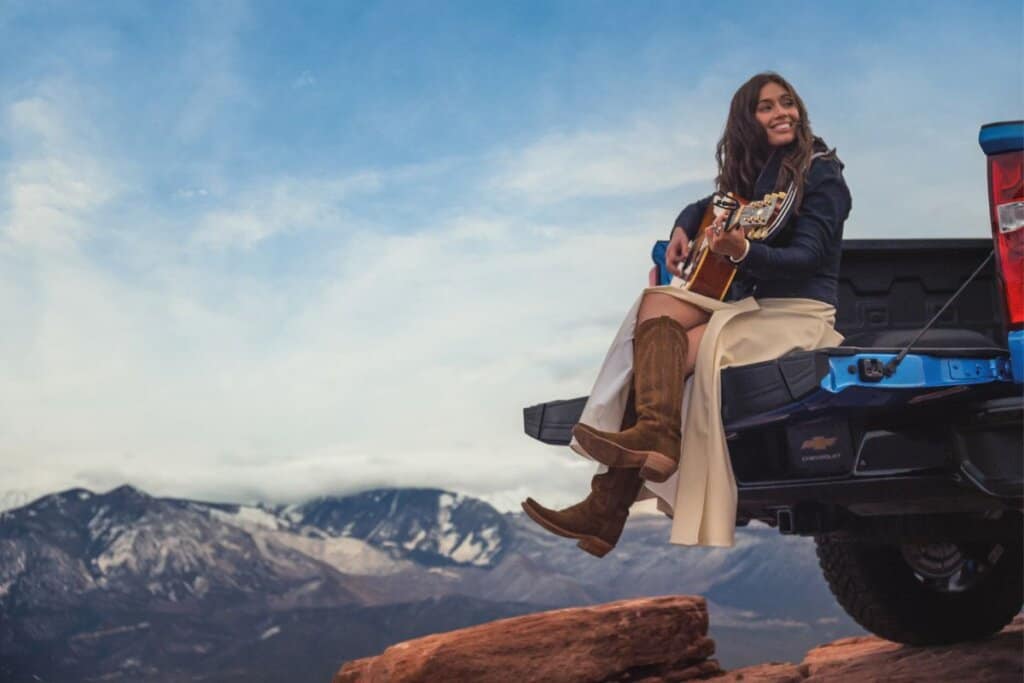
In between the new music releases, fans can catch Lee performing in support of NEEDTOBREATHE’S Barely Elegant Acoustic Tour and partnering with Chevrolet to put a country twist on the brand’s classic “See the USA in Your Chevrolet.” The reimagined track arrived February 5, alongside a national ad staring Lee that made its broadcast debut during the Olympic opening ceremony the following day.
Brooke Lee; Photo courtesy Chevrolet
Keep reading to discover how Brooke Lee turned early inspiration into a thriving music career and what’s next for her in 2026.
Can you take us back to that concert you experienced at 13 years old that changed everything for you?
My dad is a huge live music guy. Loves to go watch live music and there was a band Blue Monday and they were all classic rock back home and he got me in, they were having a party. I was in downtown Charlotte, I can see it still. But we walked in and they just had so much energy and the lead singer was a female and she was amazing, just really engaging with the crowd. And you could tell that she was performing, but she just really let herself go on stage and you could tell it was her safe place I guess. And so just feeling that energy and the energy that she could bring to a room and I was like, wow, is this something that I can do myself? I have always sang in church when I was little and stuff, but I think seeing that show really set the fire in me to figure out, how do I do this? Which ended up leading to me starting my first band when I was 15 and my guitar player at the time was 16 and we’re still playing together now. So it was a pretty epic experience to go see them.
How do you feel that having these musical influences around you throughout your upbringing has shaped who you are as an artist today?
My grandfather played piano and he sang, and so I feel like he influenced me a lot. But my parents, as much as my dad loves live music, definitely knows nothing about, I mean, he knows what he knows, but he’s not in music by any means. Both my parents are teachers, so for them I feel like they’ve just been learning as I’ve gone, but they’ve been so, so supportive. And my dad actually managed the band that I started, our guitar player’s Dad was our sound and light guy and from, I don’t know, 15, 16 until we were like 20 or so, they ran the show with us. And so it was just really cool I think having the support of them and our parents and they were at every single show and it’s carried into us moving to Nashville and continuing the journey out here. So I feel like music wise, they didn’t have too much of an influence. He was helpful, my dad would pick our set list out, we didn’t know a lot of classic rock songs. But the support that our parents gave in the house was so beneficial. It was huge.
What was the transition to Nashville like for you?
Oh, it was a crazy transition. For one, I hadn’t really lived too close to the city. I mean, I was like 20 minutes outside of it, but I wasn’t in the city. And when I moved to Nashville, I knew two or three people, I just didn’t really know that many people. And so I got here and I was working and we lived pretty close to the city and our first three months of living in town, our house got robbed and our cars and it was just like, Welcome to Nashville. But it definitely, I feel like made you look back and say, ‘okay, do I really want to do this? Is this worth me being here?’ But it was a grind. I was playing on Broadway five, six nights a week and doing closing shifts, so 10:00 PM to 2:45 AM and it was exhausting, nonstop.
How did you come to sign with Spirit Music Publishing amdist all that?
I worked at Free People at Greenhill’s Mall for maybe a month or so. I wanted a discount on an outfit for a show, so I worked there. But a writer, Jess Cayne came in and she’s with Spirit, who I’m currently signed with, and I just posted a cover on my Instagram and I had asked her to follow me. I was like, I don’t know anyone here and you’re going to the CMA’s so you must know somebody. And so she followed me and sent a cover to Spirit and they stayed in touch for a year and Derek Wells ended up coming to a show on Broadway at 11 o’clock at night to let me know that they were going to offer me. And it was just the sweetest experience, and they have been amazing and just really poured into me, but also they’ve given me the space to just roam and figure out what it is that I want to do without the pressure of needing to blow up or anything. And it’s neat to see all that paying off now.
For the past year, you’ve been steadily releasing music in preparation for your sophomore EP. What can you share about this next musical chapter?
Yeah, I feel like the last year has just been honing in on who I am, both as an artist, but just as a human being and the kind of person I want to be and represent with my music and digging in on the stories that I want to tell and keeping it very authentic. And we’ve been moving a lot of pieces around with production and the players on the music and all these different things and it’s been a really neat year because I feel like this is the year that I was able to really establish who I am and I got to a point where I was really confident with the music we were releasing and it helped us look into this next year and what we wanted to do. And I felt like it was really important to get a project together to really put a stamp on, This is Brooke Lee, and kick the year off with it. So we spent the back half of last year really digging in on a new project called Desert Darling, which releases April 17th and we’ve been starting to release the singles.
Brooke Lee; Desert Darling
“Burn To Black” is the lead track to the upcoming collection. How does this song set the tone for what fans can expect from the project as a whole?
So this EP specifically for me is my 19 to 25 chapter. I just turned 26 a few weeks ago and I wanted to get that chapter and close it and part of that was I went through a breakup. My first serious breakup and heartbreak and the whole thing, and I got into a place where I was starting to date a little bit and getting open to that world and it was just so weird to me being back out and now having the boundaries and also the memories and being able to just love so freely and carefree. And I brought that idea to the room and the other writers, Jon Nite and Danielle Blakey. We related on the topic and we ran with it…I feel like this, like I said, just walks you through a timeline of my 19 to 25 and I always say, my thing is “stay wild, child.” Growing up, my mom always called me a wild child. And so I always have tried to keep that childlike spirit and I feel like this is going to really cater to other wild child’s who are 19 or who are 25 and different points in life. And so it’s very youthful and I feel like it’s feeling weightless with somebody and becoming someone in this chapter of feeling weightless on your own and just becoming who you are. And so I’m excited. I feel like people are going to get some insight on who I am as a person and also be able to see a good direction we’re going in musically.
What has it been like for you to dig deep into those personal experiences of heartbreak and share your stories and lessons with fans?
In a way, it’s a cool closure for me, but it’s also, I always say being on stage is my therapy and it’s my safe place and I feel most myself. And so I feel like every time I sing these songs it brings more healing to it or it becomes more of an anthem and being able to sing songs and record and release songs that come really from my stories, it makes it so easy to connect to. And I think that’s my favorite thing about music is when you can connect with other people through it. And so just keeping it as real as I can, sometimes it stings and opens new or old wounds and stuff, but I think it’s the best way to connect with people and I think people know when you’re being really truly authentic. And so just trying to dig deep and get all the emotion I can into it.
You recently partnered with Chevrolet to sing a modern version of its iconic “See the USA in Your Chevrolet” theme song in a national campaign. What was it like getting to your own country spin on the iconic track?
I have butterflies in my stomach when I get asked that question. It was very, very cool. I personally had never heard the song before, but I’ve always been, I love Chevy and I love what they represent and building the relationship with them and so when they brought up the idea, I was all in on it. When I realized the timeline on it, I was like, I wonder if my grandparents have ever heard this song before. So I called them and they knew every word of it. They were so excited. So I feel like it was already just the coolest partnership and opportunity and I’m still pinching myself over it, but to have the connection with my grandparents has been so special. And then to be able to put my own spin on it and bring it back to life, I guess just being able to carry that in the studio…it’s really neat seeing how chirped up people are getting and I just feel like it’s going to bring just a lot of light and smiles and it’s just a really feel good thing to be able to do.
Whas it like filming the commercial in the unique setting of Castle Rock in Utah?
I was so excited. I am an adrenaline junkie and I tell everyone this, but I am huge on wanting to have the best story at the dinner table and I was like, oh, this is going to win for a long time. It was epic. We got out there and it was in Moab, Utah and it was a 400 feet rock in Moab called Castle Rock and it was way up there, but they had helicopters out there. They took the truck up with the helicopter. I had never been in one before, so sitting up there and everything was safe. They brought myself and the director up there and it was wild. You couldn’t see the ground and you’re surrounded by mountains and snow caps and just red everywhere and it was so beautiful. I am still, I can’t believe it happened. It was just trying to stay in the moment… I always say with my music that I love feeling small and I love traveling because I love feeling small and so I felt tiny there and it was like everything, just the whole world surrounding you and it was really epic. It was a wild experience.
You are also serving as support for NEEDTOBREATHE’SBarely Elegant Acoustic Tour. How did you prepare for this run?
I am so excited, both my manager and I and my guitar player, we always listened to them growing up with our parents and it was just the kid and me was like, oh my gosh, this is a huge win. So I feel like it’s going to be a really good, fill your cup tour for them. So it’ll be very intimate, just a really sweet show, but we’ve just, honestly, this entire week has been just mentally preparing and trying to get rest when the weekend, because between the shows and Chevy, it’s going to be an epic one.
In a world where music meets politics, Lee Brice’s new track is strumming some controversial chords, especially with a line that listeners can’t seem to agree on. Continue reading…The Boot – Country Music News, Music Videos and Songs
In a world where music meets politics, Lee Brice’s new track is strumming some controversial chords, especially with a line that listeners can’t seem to agree on. Continue reading…Country Music News – Taste of Country
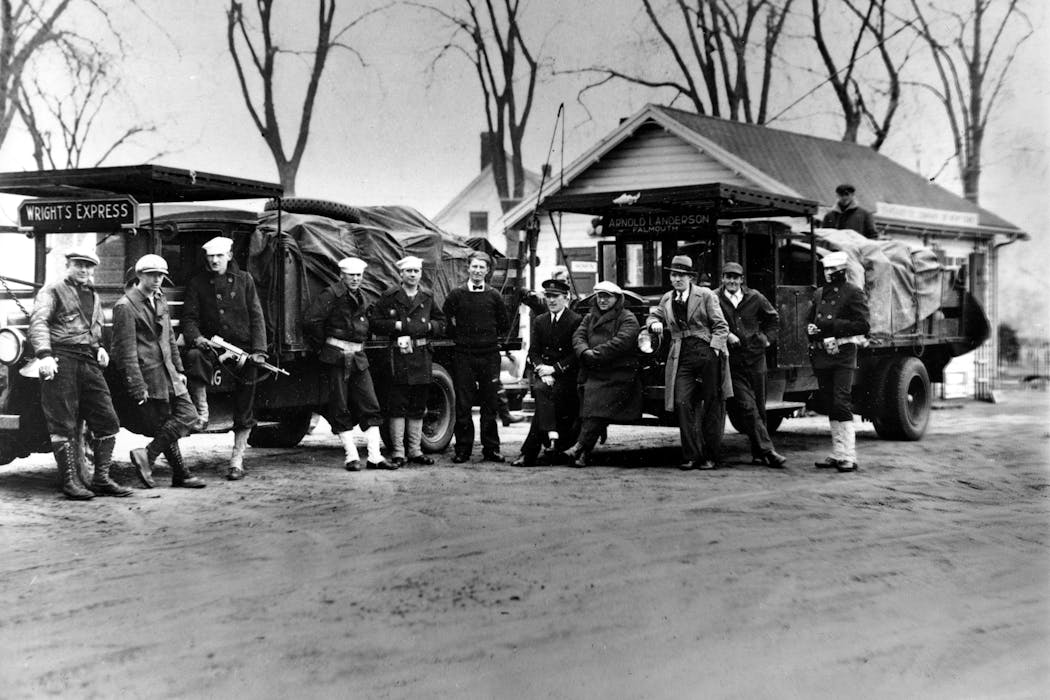
Coast Guardsmen stand in front of two truckloads of liquor seized on April 14, 1931, after a battle between three policemen and several alcohol smugglers near Falmouth, Mass.AP Photo
When Congress approved the Volstead Act in 1919 that outlawed the manufacture, sale and transportation of alcoholic liquors, it purposely limited the number of Prohibition enforcement officials due to pressure from powerful dry lobbying groups, which supported the prohibition of alcohol sales and consumption. These groups thought the majority of the Prohibition policing would be done by states.
The Volstead Act also exempted Prohibition agents from civil service laws, which would have required job applicants to pass certain minimum standards. The exemption was written into the law because the prohibitionist lobby only trusted committed “drys” – people resolutely dedicated to maintaining an alcohol-free society – to do the enforcing, and they thought that they would control the appointments.
These moves to various bureaus and departments reflected attempts to curtail corruption, reduce the influence of the prohibitionists on staffing, and increase effectiveness. Despite the moves, funding and training for Prohibition agents never improved. Additionally, in an effort to cut government spending during the Great Depression, the Herbert Hoover administration cut Prohibition agents’ per diem pay from US$6 to $5.
The initial group of Prohibition agents were either committed prohibitionists or “political hacks with little law enforcement experience,” according to author W. J. Rorabaugh. The hacks, Rorabaugh wrote, soon outnumbered the prohibitionists.
Prohibition agents dump beer into Lake Michigan in Chicago on Oct. 9, 1919. Bettmann/Getty Images
In 1927, Federal Circuit Judge William S. Keynon said that “three-fourths of the 2,500 dry agents are ward heelers and sycophants named by the politicians.” The assistant attorney general in charge of Prohibition enforcement, Mabel Walker Willebrandt, said that Prohibition agents were “as devoid of honesty and integrity” as those who violated Prohibition laws.
When Prohibition agents were placed under the civil service, 60% of them failed their civil service tests. In a six-year period beginning in 1920, 752 Prohibition officials lost their jobs for delinquency or misconduct. Drunkenness and bribery were the two main reasons for dismissal.
In 1930, the 1,450 front-line Prohibition agents dwarfed the 350 FBI field agents across the country. They were the largest federal law enforcement body, and they were busy.
But Prohibition agents did not just shoot criminals. The Washington Herald detailed in 1929 a pattern of reckless use of force, with prohibition agents shooting at the tires of escaping cars and accidentally firing weapons. In 1924, within blocks of the U.S. Capitol, a Prohibition agent who was firing at a fleeing car carrying a bootlegger accidentally shot Sen. Frank L. Greene of Vermont. Greene, wounded in the head, never fully recovered the use of one arm.
The author Daniel Okrent illustrated the link between trigger-happy officers and shoddy recruitment and training when he detailed the case of “the first agent to kill a suspect bootlegger in the line of duty.” The Prohibition agent had been accepted into service under a false name. He was not a stranger to killing, as he had killed a man when he was 14. He had also served multiple prison terms. Indeed, he was given his badge when “still incarcerated at Dannemora State Prison,” according to Okrent.
The parallels between Prohibition and the Trump administration’s mass deportation tactics are not identical. Prohibition was more unpopular in much of the country compared with mass deportation. And Congress was not willing to adequately pay for Prohibition enforcement, while it has generously funded ICE.
But both efforts share important similarities. They were hastily built, with agents who were asked to do something very difficult, and staffed by sometimes poorly trained people who were authorized to use force.
Richard F. Hamm does not work for, consult, own shares in or receive funding from any company or organization that would benefit from this article, and has disclosed no relevant affiliations beyond their academic appointment.
“America’s Next Top Model” shone a spotlight on many relatable health issues, including hair loss and skin infections, all while the cameras were rolling.
Health Digest – Health News, Wellness, Expert Insights
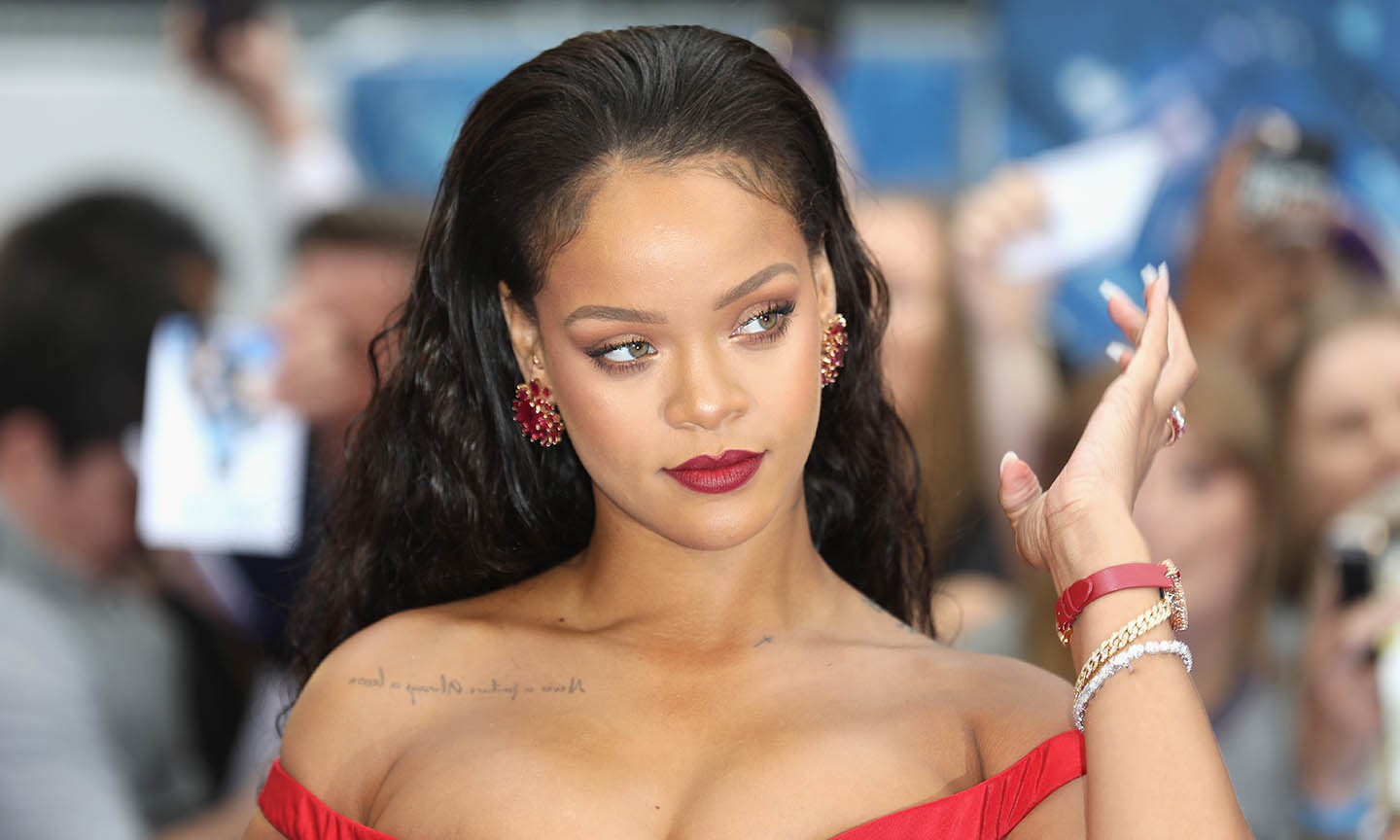
Born Robyn Rihanna Fenty, on February 20, 1988, Rihanna was just 15 when she was first discovered in her home country of Barbados by record producer Evan Rogers. Over the next year, she recorded a demo tape with Rogers, which included the track that would eventually become her debut single – and one of the best Rihanna songs of all time. “Pon De Replay” was described by Rolling Stone as “a poppy piece of dancehall reggae with slapping, syncopated beats recalling big-band jazz”, and Rihanna was immediately signed to Def Jam by its then CEO, Jay Z.
This was just the beginning of a momentous career that, over a decade in, has seen her constantly top the charts worldwide. We take a trip through Rihanna’s career, focusing on 20 of the best Rihanna songs…
Getting her six-album Def Jam deal off to a roaring start, Rihanna released her first album, Music Of The Sun, in May 2005, and lead single “Pon De Replay” reached No.2 in both the US and UK, while the album earned a gold certification and firmly established the singer as a household name.
Its follow-up, A Girl Like Me, was released in April 2006 and was another pop and R&B fusion, with heavy influences from Rihanna’s Caribbean roots. In an interview with MTV, she said, “Vocally, I’ve matured so much, and lyrically I’m speaking about stuff I would never sing about before. Now I’m singing about experiences that I’ve gone through and stuff that other 18-year-old girls go through, so it’s all about progression.” This maturity was represented in songs such as “SOS” and “Unfaithful,” which explore more adult themes such as infidelity and lust; the former was a dance-pop hit that sampled Soft Cell’s “Tainted Love” and earned Rihanna her first US No.1.
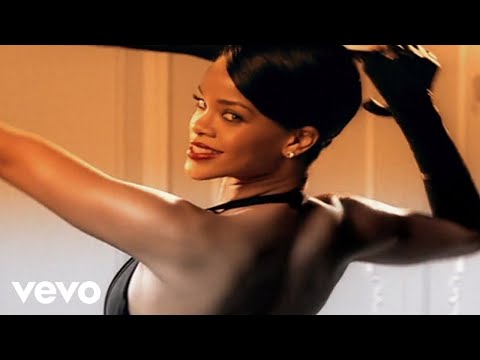
In an attempt to shake off her innocent persona, Rihanna took on a bolder, more independent image for 2007’s Good Girl Gone Bad. Speaking to the Saskatoon StarPhoenix, she said, “I took the attitude of the bad girl and I really got rebellious and did everything the way I wanted to do it – I didn’t want to listen to anybody.” The pop-R&B crossover hit “Umbrella” was the first single from the album, and, featuring Jay Z, it was also Rihanna’s first big collaboration, reaching No.1 in 17 countries. Third single “Hate That I Love You” was another collaborative effort, co-written and featuring labelmate Ne-Yo. Released on 21 August 2007, the song comfortably reached platinum status.
Click to load video
A major turning point in Rihanna’s artistic progression came with 2009’s Rated R, on which she shook off her pop princess image and began to explore other genres with a variety of songs that still rank among the best Rihanna songs. Justin Timberlake, one of the writers and producers featured on the album, said that it represented a whole new sound for Rihanna, while fellow producer Ne-Yo described Rated R as angrier and edgier than what had come before.
Written after her assault by then-boyfriend Chris Brown, there was, unsurprisingly, speculation as to whether any of the album’s songs referenced him, though Chuck Harmony, another co-producer on the record, argued that no matter what single Rihanna released, the lyrics would immediately be associated with Brown. Stylistically, Rated R incorporated genres such as dancehall (“Rude Boy”), Latin (“Te Amo”), and dubstep, while lead single “Russian Roulette” had a darker and more intense tone than any of Rihanna’s previous efforts.
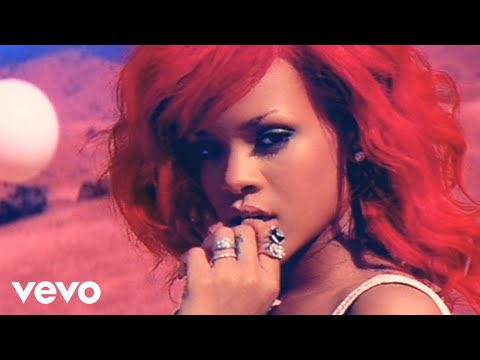
In the summer of 2010, Rihanna lent her vocals to a number of hip-hop stars, including Eminem (“Love The Way You Lie”) and Kanye West (“All Of The Lights”), with the former becoming Eminem’s best-selling single to date, selling six million copies in the US alone. Rihanna also helped Drake achieve his first-ever taste of the UK top spot when she asked him to appear on her 2010 single “What’s My Name?,” the second release from her fifth studio outing, Loud. Released in November that year, the album moved away from the darker themes of Rated R and returned to upbeat pop, R&B, and dancehall, as Rihanna wanted to go back to having fun. The shift was immediately clear with the first single, “Only Girl (In The World),” which won her the 2011 Grammy Award for Best Dance Recording, and more than holds its own among the best Rihanna songs. Third single “S&M” raced to No.1 on the Billboard Hot 100 and saw Rihanna set a new record as the solo artist with the fastest accumulation of ten chart-toppers.
Click to load video
Barely pausing for breath, Talk That Talk followed a year later, in November 2011, and was another dance-pop and R&B outing in the vein of Loud. Lead single “We Found Love” added uptempo techno to the mix (courtesy of DJ Calvin Harris), topped the charts in 27 countries, and proved that, if there’s anything to be learned from Rihanna’s career, it’s that she rarely released a single without breaking a record or two. Staying at the top of the Hot 100 for 10 weeks, “We Found Love” became the longest-running No.1 of 2011. The second single from the album, “You Da One,” is a mid-tempo pop/reggae mix that entered the Top 20 in the US, UK, and 11 other countries.
Mining the same rich vein, while incorporating elements of hip-hop and reggae, Unapologetic was Rihanna’s seventh studio album, and her third consecutive UK No.1. Picking up an executive producer credit – as she has done for all her releases since Loud – Rihanna enlisted the help of co-producers David Guetta, Stargate, Labrinth and Chase & Status. Signaling a new focus for the singer, lead single “Diamonds” was an electric pop ballad that, lyrically, left previous themes of dysfunctional romantic relationships firmly in the past and once again topped the charts in over 20 countries worldwide. Its follow-up, the pop and R&B ballad “Stay,” featured guest vocals from US singer Mikky Ekko and offered yet another side of the singer, revealing a vulnerability rarely seen in her singles.
Click to load video
After releasing almost an album a year for her entire career, there was a four-year gap before Rihanna issued Unapologetic’s follow-up. Having left Def Jam for Roc Nation in 2014, however, she filled the gap with three standalone singles, including the Kanye West and Paul McCartney collaboration “FourFiveSeconds” and the solo outing “Bitch Better Have My Money.” When Anti finally emerged, on January 28, 2016, it was initially a TIDAL exclusive via Westbury Road/Roc Nation, before being given a wider release. Since then, lead single “Work,” another collaboration with rapper Drake, became the Barbadian singer’s 27th Top 10 hit and more or less soundtracked 2016, cementing its reputation as one of the best Rihanna songs of all time. It was shortly followed by “Kiss It Better.”
In November 2016, Rihanna became the first artist to surpass more than 100 million Gold and Platinum song certifications, including nine-times multi-Platinum sales for “We Found Love,” six-times multi-platinum sales for “Stay,” “What’s My Name?” and “Only Girl (In The World),” double multi-Platinum sales for “FourFiveSeconds” and a Platinum award for “Bitch Better Have My Money.” Any one of these could top the list of a fan’s best Rihanna songs; in a career that’s been nothing but incredible, the singer boasts a success rate rarely seen elsewhere. Her ability to stay true to her roots is what has kept her original fanbase loyal, while her continual reinventions and explorations of different genres pull in new listeners with every album. What stands out across these 20 songs is her diversity: actress, singer, and philanthropist, Rihanna is also an unpredictable talent who leaves us eagerly anticipating her next move.








![<a href="https://countrynow.com/get-to-know-brooke-lee-from-small-town-beginnings-to-sophomore-ep-and-big-2026-plans-exclusive/" target="_blank">Get to Know Brooke Lee: From Small-Town Beginnings to Sophomore EP and Big 2026 Plans [Exclusive]</a>](https://countrynow.com/wp-content/uploads/2026/02/Untitled-design-13-683x1024.jpg)