While every chef has a trick for the juiciest burger, the most effective method isn’t a specialized tool – it’s the addition of one finely chopped ingredient.

Food Republic – Restaurants, Reviews, Recipes, Cooking Tips









While every chef has a trick for the juiciest burger, the most effective method isn’t a specialized tool – it’s the addition of one finely chopped ingredient.
Food Republic – Restaurants, Reviews, Recipes, Cooking Tips
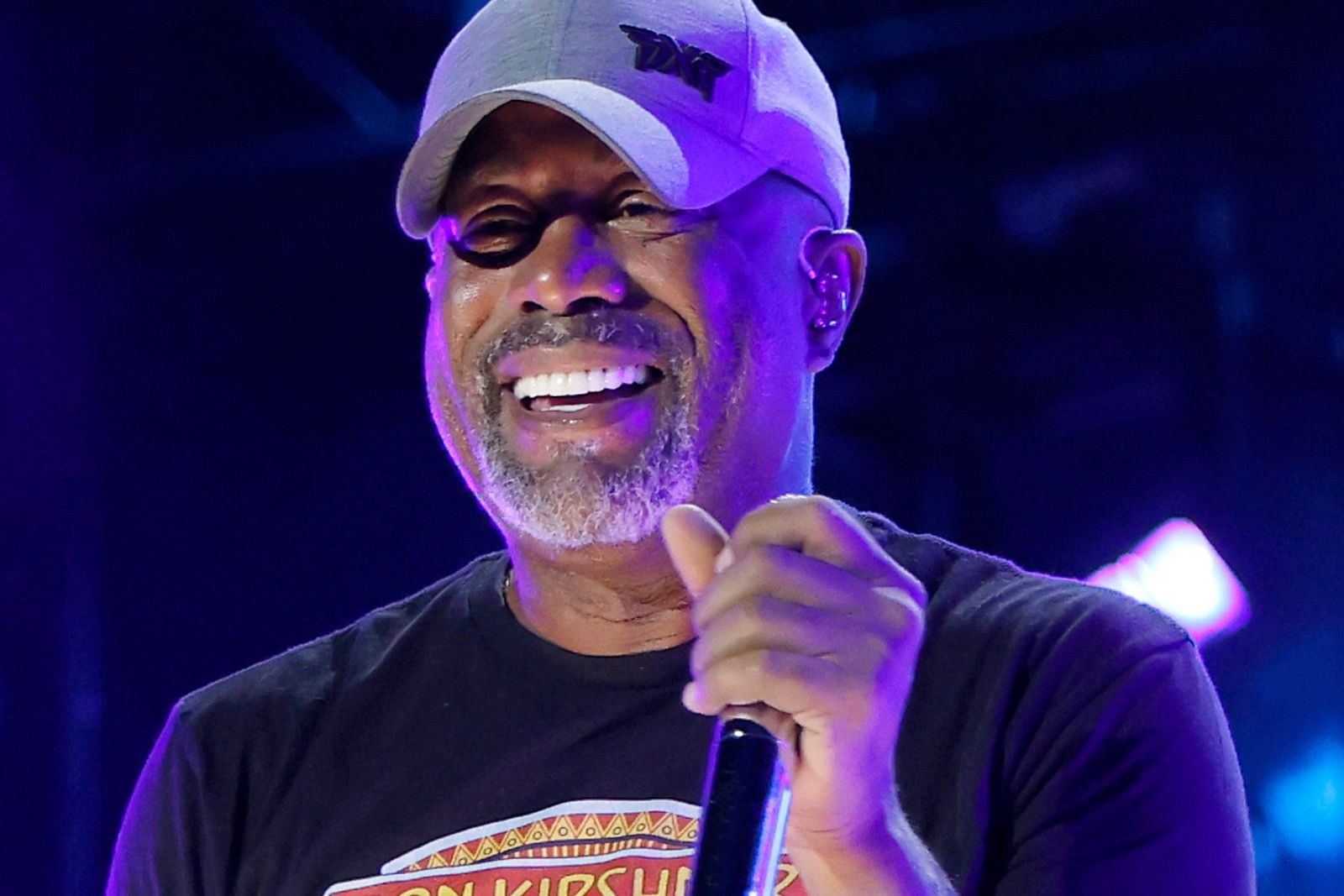
Rucker’s 2026 Songs of Summer Tour kicks off in June. Continue reading…The Boot – Country Music News, Music Videos and Songs
Rucker’s 2026 Songs of Summer Tour kicks off in June. Continue reading…Country Music News – Taste of Country
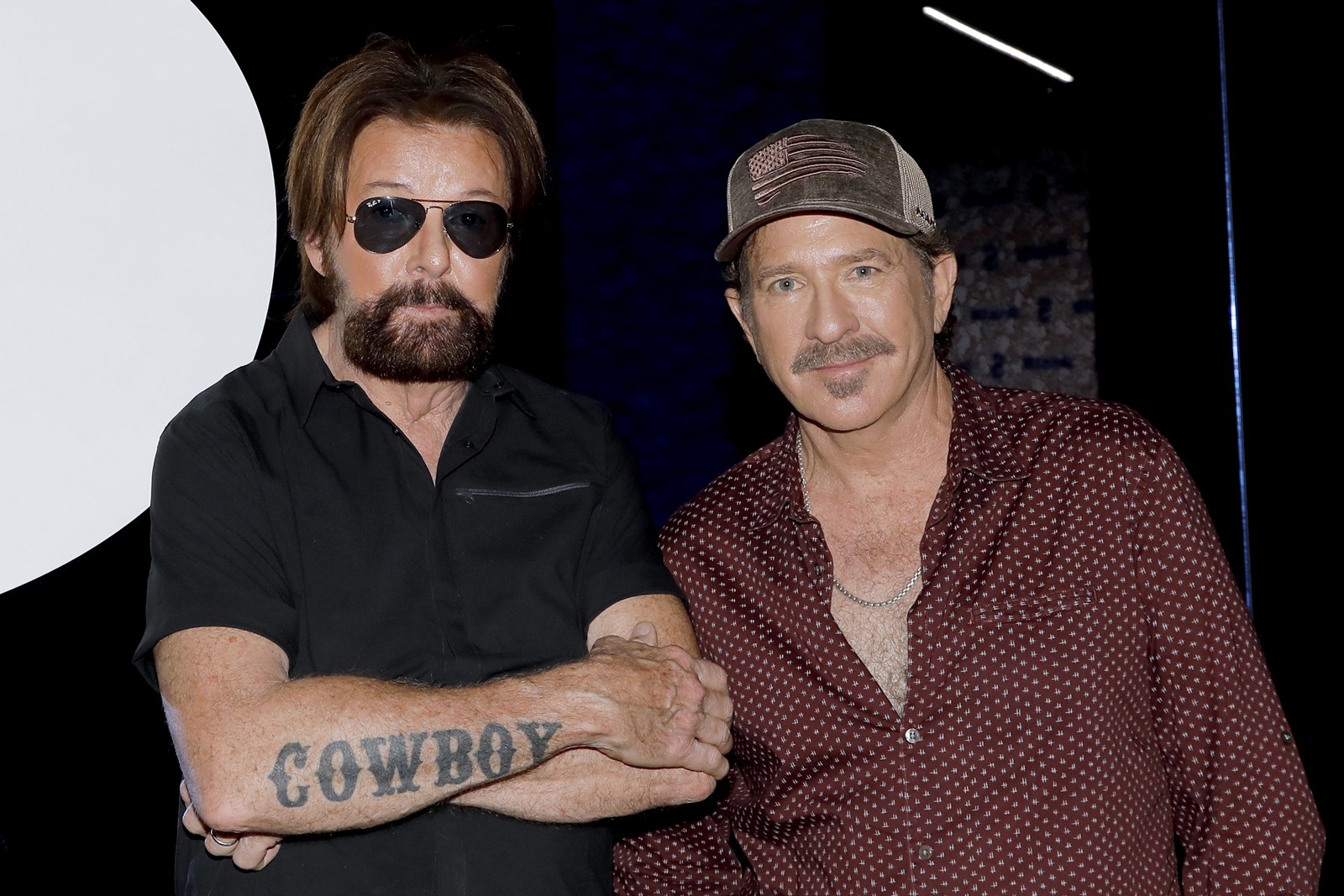
Brooks & Dunn’s 2026 headlining tour comes after eight dates with Morgan Wallen. Continue reading…The Boot – Country Music News, Music Videos and Songs
Brooks & Dunn’s 2026 headlining tour comes after eight dates with Morgan Wallen. Continue reading…Country Music News – Taste of Country
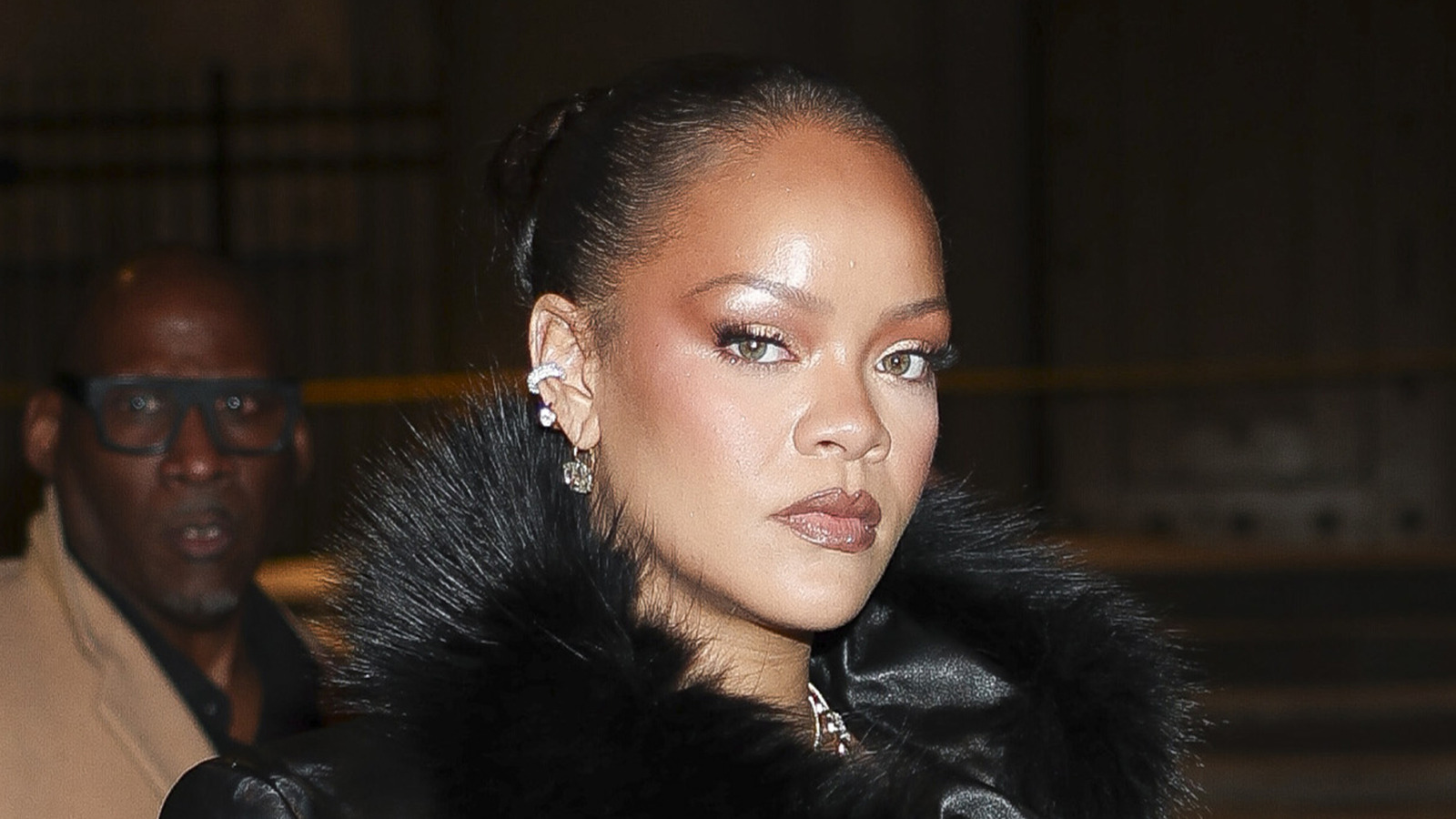
The singer has been candid about her post-pregnancy experiences with hair loss, and many fans online have praised her anecdotes as relatable and authentic.
Health Digest – Health News, Wellness, Expert Insights

Expensive meat can take a meal from ordinary into spectacular, but only if you cook it right and treat it well, which is why you should never use a slow cooker.

Food Republic – Restaurants, Reviews, Recipes, Cooking Tips
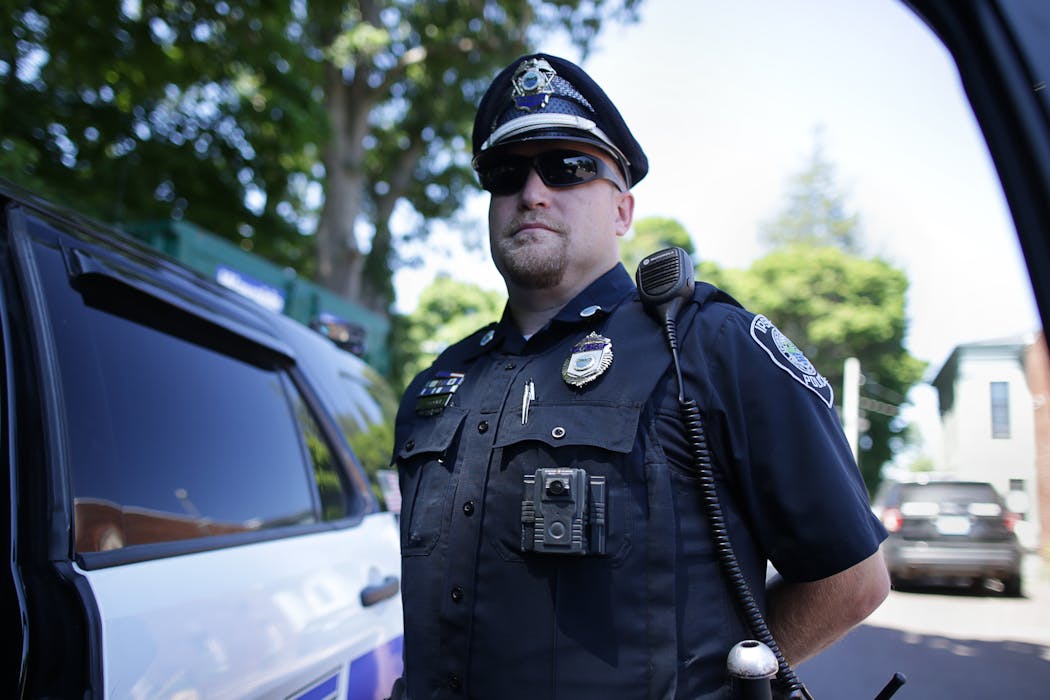
Amid growing demands by Democrats to overhaul U.S. Immigration and Customs Enforcement after federal immigration officials killed two U.S. citizens in Minnesota, Secretary of Homeland Security Kristi Noem said in early February 2026 that agents in Minneapolis will be issued body-worn cameras.
But can body cameras on federal officials provide the transparency and accountability the public is demanding from agents with ICE and U.S. Customs and Border Protection?
As a public policy scholar, I have analyzed the existing body-worn camera policy for ICE agents. And I’ve compared this policy to dozens of other state and local body camera policies, in an effort to investigate the rationales for their use.
Whether ICE’s body camera policy can provide transparency and accountability depends, I believe, on the policy itself and the enforcement of that policy. ICE’s use of body cameras could improve the agency’s legitimacy in the eyes of the public.
But as I’ve seen with other police body camera policies, there’s a risk that camera footage may obscure actual events. It’s also possible that the strategic release of footage may undermine transparency.
Police body cameras were first used in the United States in 2012 by the Rialto Police Department in California. By 2020, their use had expanded to over 62% of local law enforcement agencies, covering 79% of local police officers nationwide.
That expansion was, in part, a response to growing criticism over stop-and-frisk tactics – in which police temporarily detain people for weapons searches when a crime is suspected – and police-involved shootings of people of color.
Body camera policies vary greatly between municipalities. Some policies make body cameras useful accountability tools, like those of Parker, Colorado, which uses cameras for evidence collection and ensuring officer adherence to policy rather than as surveillance technology.
Others, meanwhile, provide broad discretion for officers to choose when to activate their body cameras, such as Colorado Springs’ policy. Allowing officers to decide when to use their cameras can limit the availability of evidence.
I believe there are four crucial elements of a body camera policy that can ensure that ICE agents properly use the technology.
Body camera quality has improved over the past decade. But the battery life of many models prevents continuous recording throughout a 10-hour shift.
Instead, law enforcement officials often manually activate their body cameras. Thus, to effectively promote accountability, a strong policy would require ICE agents to activate their body cameras before they interact with the public.

A 2016 study found that, without mandatory camera-activation policies, officers often fail to activate their cameras.
The current ICE body-worn camera policy, issued in February 2025, lists enforcement activities that require recording. They include executing arrest warrants, frisks of individuals and “responding to public, unlawful/violent disturbances at ICE facilities.”
But the list does not include mandatory activation during vehicle pursuits or the transportation of people to detention facilities. Recording inside detention facilities is strictly prohibited by the policy.
As proposed by the Police Executive Research Forum, a nonprofit that promotes policing professionalism, body cameras must continue to record until an encounter with a member of the public has concluded and agents have left the scene.
The current ICE body-worn camera policy states that agents “should only deactivate the BWC when the scene is secure as determined by the supervisor or team leader.”
While robust policies, such as that of the Chicago Police Department, require continued recording during the transportation of detained people, the ICE body camera policy does not. This creates the potential for critical moments to go unrecorded.
Many body camera models come equipped with facial recognition technology. But many local police department policies prohibit its use due to privacy and surveillance concerns.
ICE uses facial recognition technology during immigration enforcement operations, but in 2020 lawmakers raised concerns that body camera facial recognition could dissuade citizens from protesting out of fear of retribution.

As protests against ICE immigration enforcement continue, it’s known that the agency uses facial recognition technology on peaceful protesters and observers. Existing ICE policy prevents the use of facial recognition on “live BWC recordings,” meaning while the interaction is taking place. Facial recognition is permitted on body camera footage after the interaction has concluded.
In early February 2026, Democratic lawmakers introduced a measure that would prohibit the use of facial recognition by ICE and CBP agents. That ban would extend to facial recognition features on body cameras.
Policy is only as strong as its enforcement.
Policymakers could consider strengthening submission forms for ICE use-of-force and civil rights violation complaints.
Thorough investigation of complaints and reviews of body camera footage could be handled by an external review board. The Office of the Inspector General, responsible for investigating allegations of excessive force by ICE agents, could also conduct reviews.
Body cameras will not deter violence committed by ICE agents unless policies clearly dictate their use. For body cameras to function as transparency and accountability tools, I believe wrongdoing would have to be swiftly and consistently penalized. This would highlight the consequences of noncompliance with body-worn camera policies.

Stephanie Lessing does not work for, consult, own shares in or receive funding from any company or organization that would benefit from this article, and has disclosed no relevant affiliations beyond their academic appointment.
Politics + Society – The Conversation
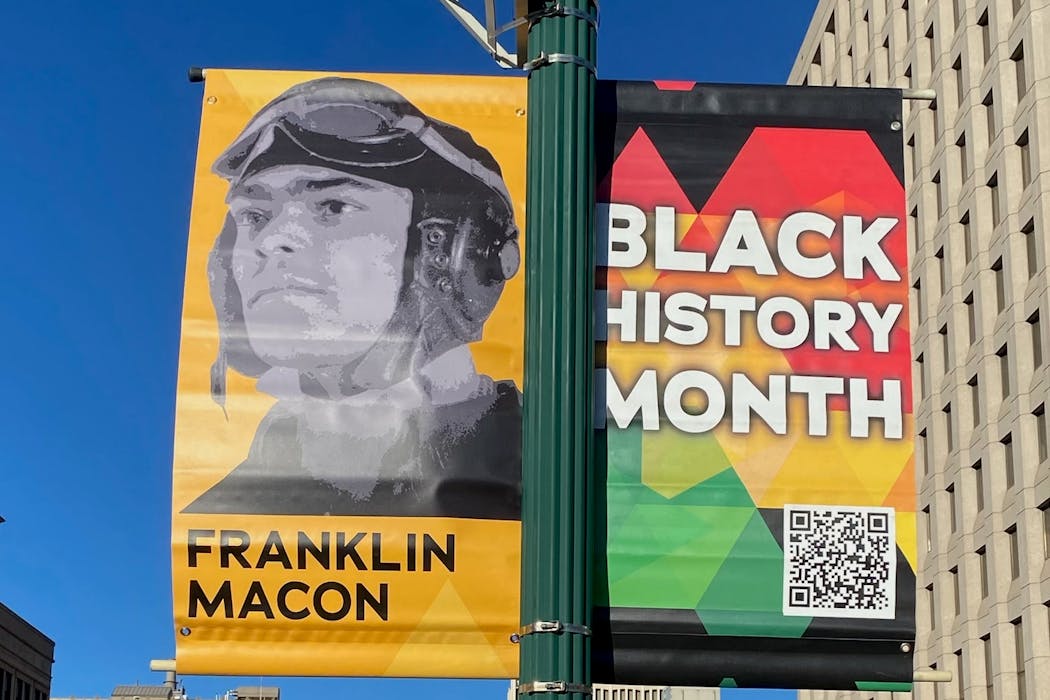
For the past eight years, the Colorado Springs City Council has issued proclamations and recognitions paying homage to the achievements of its African American citizens.
In 2005, the Colorado Springs City Council and Mayor Yemi Mobolade jointly issued a Black History Month proclamation.
This year, the mayor’s office issued its own statement alluding to Mobolade’s identity as the city’s first Black and first immigrant mayor. It also praises the positive effects of past and present African American achievement in Colorado Springs.

The City Council was slower to act, finally succumbing to pressure to approve their own proclamation two weeks later.
Why did a routine symbolic gesture — one performed by public and private institutions across the nation — become questionable in Colorado Springs?
I’m a Black Studies scholar. I’ve been personally and professionally affected over the years by the changing attitudes and policies surrounding the preservation and sharing of African American history.
Currently, I serve on the State Historian’s Council with History Colorado. I also sit on the Black Coloradan Racial Equity Study Committee, which oversees research required by SB-24-053. This bill seeks to examine how state and local policies in areas such as education, health, housing, the criminal justice system and business have affected Black Coloradans past and present.
I wondered if this local controversy was symptomatic of recent pressure from the current White House administration to erase, misrepresent or repurpose the experiences of Black Americans. What I found behind the controversy is more complicated.
The controversy was sparked when City Councilman Dave Donelson walked out of the City Council meeting. He did so after several local faith leaders made critical comments about Immigration and Customs Enforcement actions across the country on Martin Luther King Jr. Day.
Rev. Josh Rumple, who leads the First Congregational Church in Colorado Springs, was one of the speakers. He said King’s messages have been whitewashed over time to appease people who disagree with him, according to public radio station KRCC.
Donelson refused to participate in the rest of the proclamation program because he was “offended” by criticism of ICE. “I find what was said here offensive” he said.
Angela Stevens, president of the Colorado Springs chapter of the NAACP, the nation’s oldest civil rights organization, was angry that the proclamation could not get enough support at that meeting.
“We see you as a body playing it safe,” she said. She added that the inaction of City Council was part of a “national pattern of de-emphasizing Black history.”
Rev. Candace Woods organized the anti-ICE comments at the meeting. She saw the comments as consistent with King’s values and constitutional issues regarding civil rights. “I don’t know how you cannot see the connections,” she said. “Dr. King called us to stand up for our neighbors in the face of incorrect, immoral laws.”
Local opinion columnist Rachel Stovall regarded the protest as “hijacking” a “special moment.” She believes that the protest drew attention away from Black history.
She claims: “There is a difference between principled protest that seeks to highlight injustice and disruptive antics that undermine the very institutions meant to serve the community. The line between the two is always clear.” However, the tactics of the civil rights protests of the 1960s often received the same criticism.
For me, this local controversy highlights a central question: What is the meaning of Black history to broader communities? What good is sharing knowledge about what African Americans have accomplished against the odds?
Living in a state where Black people have been a small minority with only a few concentrations in a handful of cities and towns, Black history at first glance may seem a simple acknowledgment of barrier-breakers and proof that democratic values — though won with much suffering and blood — can ultimately come to fruition.
Taking the time to learn more about the different perspectives expressed by this seemingly simple action by Colorado Springs City Council reminded me to think about the history of Black Coloradans with more nuance.
This year, as the United States marks its 250th birthday, Colorado is marking 150 years as the “Centennial State.”
The Centennial State’s birthday programming and activities, such as the America 250 – Colorado 150 Commission, offer an opportunity to examine how Colorado’s Black history relates to other debates about freedom, harm, rights and social justice.
One of the commission’s goals for Colorado’s birthday year is to create and share a more inclusive history of the state through the Heritage for All program. The program will add 150 new historic signs and markers representing the histories of usually underrepresented groups.
Phillip Gover III of History Colorado took on legislatively mandated work to research and assess the harm done by Indian boarding schools in Colorado. He has asserted that the most fundamental question of the project is to clarify “who owns the story” of minority communities’ oppression and resistance.
Knowledge must be centered on the affected groups’ experiences, perspectives and histories, but these are shaped by and entangled with larger stories and conflicting perspectives. Ultimately, these stories are about all of us, not just the oppressed groups.
Colorado’s own Black history is full of examples of the influence of Black Coloradans in making the state what it is today in ways that are more interesting than simple narratives of oppression and triumph. The stories are as individual as the people and the Colorado communities that experienced them.
Consider the case of Black frontiersman John Taylor, who was dubbed “the first white man in Pine River Valley.” A formerly enslaved man who served in the Union Army, Taylor settled in the Ute Borderlands, which is where he married an Indigenous woman. According to the scholar Louis Gregory McAllister, in this area of southern Colorado at the time, the only racial categories were “white” or “Indian,” so Taylor was accepted and treated as white by both communities.
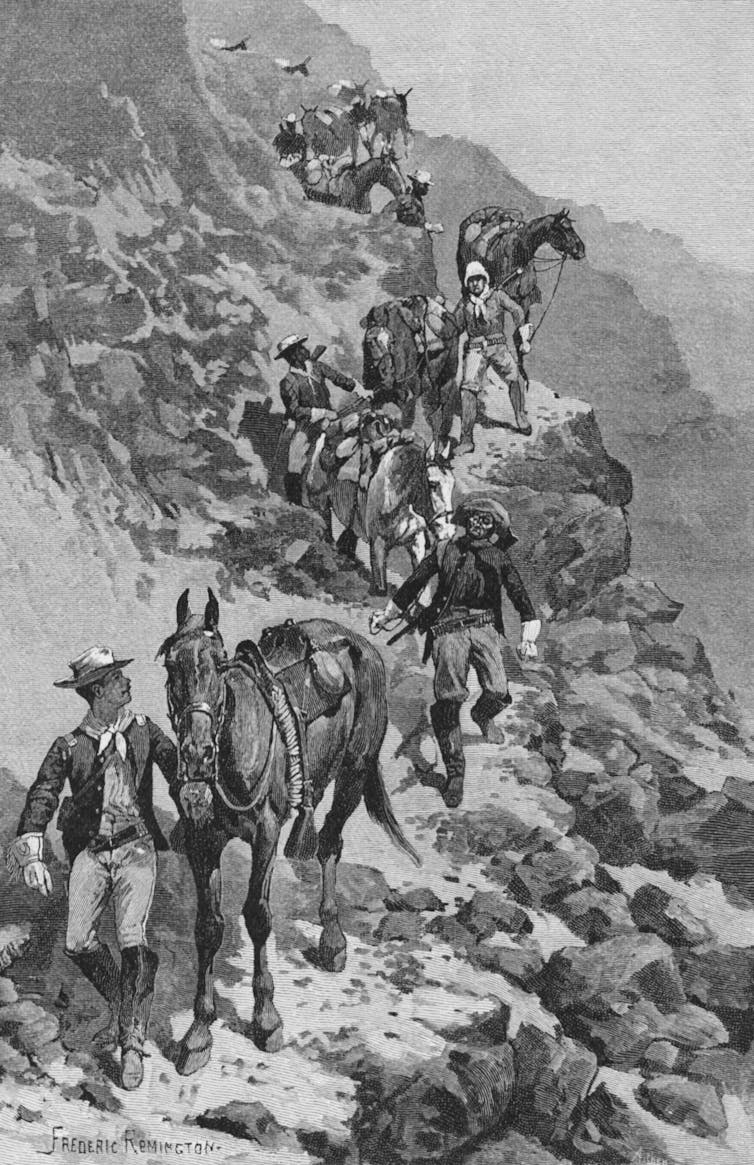
The Buffalo Soldiers were among the first African Americans to have their stories included in Colorado history. They have been honored as heroes for their military service at Fort Garland and as proof of Black presence in the familiar mythologizing of Western expansion. Established in 1866, they were commissioned to patrol federal lands.
Recent scholarship has complicated the heroic picture, showing how they were underpaid and mistreated by the army they served. They themselves played a troubling role in the suppression and inhumane treatment of Colorado’s Native peoples.
So what does Black Colorado history have to say to all Coloradans – and the nation?
Increasing our knowledge of Colorado’s Black history involves confronting complicated truths, dismantling easy binaries between the oppressors and the oppressed, and understanding how the experiences and suffering of particular communities are meaningful to us all.
Coloradans can celebrate hard-won achievements and contributions to the betterment of Colorado society, but we must also acknowledge and commemorate the inhumane, shameful and ambiguous parts of our shared stories.
Is Black Colorado history useful for recognizing and addressing current injustices and what some see as similar moral dilemmas? Or is the recognition of Black History Month more appropriately seen as a “thank you” card from institutions and organizations?

Claire Oberon Garcia does not work for, consult, own shares in or receive funding from any company or organization that would benefit from this article, and has disclosed no relevant affiliations beyond their academic appointment.
Politics + Society – The Conversation
In 2024, spending on federal elections totaled almost US$15 billion in the United States. The United Kingdom, in contrast, spent approximately $129 million on its 2024 parliamentary elections – less than 1% of 2024 U.S. spending – despite having a population one-fifth the size of the U.S.
Indeed, most other democratic countries spend only a fraction of what the U.S. does on their respective elections.
Why do U.S. elections cost so much?
Many people may attribute the blame to Citizens United v. FEC, the 2010 U.S. Supreme Court case that struck down corporate spending limits in elections.
Yet the source runs much deeper, to a case that marked its 50th anniversary in early 2026: Buckley v. Valeo, a landmark case that established the modern framework for U.S. campaign finance regulation.
For most of U.S. history, political spending was an unregulated practice. In turn, big-moneyed interests wielded major influence over elections without any legal impediments.
In the early 20th century, however, Congress began implementing small measures to rein in unfettered campaign finance. In 1907, for instance, Congress passed the Tillman Act, which banned corporations from donating directly to candidates. By 1971, Congress had implemented the modern Federal Election Campaign Act, or FECA, which initially just included disclosure and disclaimer requirements for candidates.
Nevertheless, following the Watergate scandal – which included bags of cash and campaign dirty tricks – Congress enacted the more comprehensive 1974 FECA Amendments to more effectively restrain big money in American politics.
The FECA Amendments instituted, among other things, dollar limits on the amount of money individuals and political committees could contribute to federal candidates. Similarly, it limited the amount of money individuals could independently expend to support the election or defeat of a federal candidate.
Almost immediately, a number of politicians and other parties filed suit – including U.S. Sen. James Buckley, a New York conservative; former U.S. senator and 1968 presidential candidate Eugene McCarthy, a Minnesota Democrat; and the New York Civil Liberties Union – to challenge the amendments’ constitutionality.
They argued that the new laws restricted First Amendment freedoms of political speech and expression. Their argument was straightforward: If I can’t spend as much as I want to support a candidate, I am unable to fully express my political views. The lawsuit ultimately ended up before the U.S. Supreme Court.
On Jan. 30, 1976, the Supreme Court issued its opinion. One of the lengthiest in U.S. history – 294 pages in total – the opinion took an axe to the FECA and effectively reduced federal campaign finance law to a patchwork of laws and rules resembling regulatory Swiss cheese.
In doing so, the court laid the groundwork for the development of the modern campaign finance system in the U.S.
What did Buckley v. Valeo do?
For one, the court declared that limits on political contributions and expenditures, in fact, affect First Amendment interests. The court found limits on contributions to indirectly impact donors’ right of expression, the idea being that a contribution to a candidate acts as an expression of support for them.
Contribution limits can furthermore directly infringe on candidates’ speech rights if they are so low as to prevent the candidate from effectively campaigning, the court decided.
The court, meanwhile, found limits on political expenditures, such as spending money on a TV ad, to impose an even more direct constraint on speech rights. In the court’s words, such limits reduce “the quantity of expression by restricting the number of issues discussed, the depth of their exploration, and the size of the audience reached.” With this, the court embraced what its critics have dubbed the “money is speech” principle.
So whenever a law constrains political speech, the government must justify it via a “compelling” state interest. Thus came the court’s second major move via the Buckley decision: narrowly defining the government’s interest in regulating money in politics.
Specifically, the court recognized only one compelling state interest in restricting political spending: preventing quid pro quo corruption – the exchange of money for political favors. With this, the court outright rejected that the government had a serious, broader interest in promoting political equality, one of the driving forces behind the passage of the 1974 FECA Amendments.
Applying this framework, the court upheld federal limits on contributions to candidates because directly giving money to politicians carries a risk of quid pro quo.
In contrast, the court invalidated FECA’s limits on independently made political expenditures – expenditures made on a candidate’s behalf but not in coordination with the candidate. In the court’s view, if somebody spends money to support a candidate without coordinating with that candidate, no corruption concern exists – an assumption that remains widely disputed. Thus, Congress had no compelling interest to limit political advocacy via expenditures.

While a product of 1970s lawmaking, the Buckley decision has played a major role in shaping modern U.S. politics. Its impact on how lawmakers can – and cannot – regulate money in politics endures today.
The most pronounced effect of Buckley has been the proliferation of spending by outside groups making those independent expenditures.
Buckley’s invalidation of independent-expenditure limits applied only to limits on individuals. But the Supreme Court has since extended Buckley’s logic to spending by organizations. In Citizens United in 2010, the court held that the government had no compelling interest in limiting independent expenditures made by entities such as corporations, unions or political action committees – PACs – that do not coordinate with candidates, known today as super PACs.
Shortly following the Citizens United decision, a federal appellate court applied Citizens United to strike down limits on contributions to super PACs, the idea being they could not engage in corruption if they were not coordinating with candidates.
Donors were now free to give unlimited sums of money to super PACs, which were free to spend unlimited sums of money to influence elections. Each passing election since then has seen untold super PAC spending, peaking at over $2.6 billion in 2024.
Super PACs are only one part of the modern political landscape, though.
Following Citizens United, donors realized that if they were to donate money to a super PAC, federal law would mandate the disclosure of that donation. Yet, federal law contained a loophole: shell companies – companies formed purely to preserve the anonymity of their makers – and 501(c)(4) nonprofits could donate money to super PACs without having to disclose who their money came from. Collectively, these became known as “dark money” groups.
Wealthy donors thus started giving money to these dark money groups as a vehicle to fund super PACs without detection. These groups have become a major force in election spending, accounting for an estimated $1.9 billion in 2024.
The Buckley decision has also led to the proliferation of self-funded candidates. The Supreme Court held that the government cannot limit self-funding because the risk of quid pro quo is nonexistent – again, a disputed assumption.
U.S. campaigns now feature multimillionaires and billionaires propelling themselves into electoral contention each election cycle simply by virtue of having a well-funded bank account. In 2024, 65 federal candidates spent at least $1 million of their own dollars on their campaign.
One area that still remains open to regulation post-Buckley is contributions to candidates, political parties or PACs.
Thus, contribution limits exist federally and in most states in some form.
Still, the government’s authority to cap contributions is not infinite. The Supreme Court has occasionally struck down certain states’ limits when they are deemed “too low.”
The court, moreover, invalidated in 2014 an aggregate limit on the amount a donor could contribute overall to candidates per election, reasoning that Buckley’s anti-corruption rationale could apply only to direct, one-to-one exchanges. Wealthy donors were thus free to donate to hundreds of candidates in an election cycle.
In 2025, the court heard a challenge to a federal law limiting how much political parties can spend in coordination with their nominees. Intended to prevent individuals from using parties as a means of circumventing individual-to-candidate contribution limits, the law has been on shaky ground for decades.
The court will issue a ruling on that challenge in the coming months. Whether the law is upheld or struck down, Buckley is guaranteed to play a major role in the decision.

John J. Martin does not work for, consult, own shares in or receive funding from any company or organization that would benefit from this article, and has disclosed no relevant affiliations beyond their academic appointment.
Politics + Society – The Conversation