Imagine expecting a baby that could tip the scales at 11 pounds—Thomas Rhett and Lauren Akins are in for quite the adventure! Continue reading…Country Music News – Taste of Country
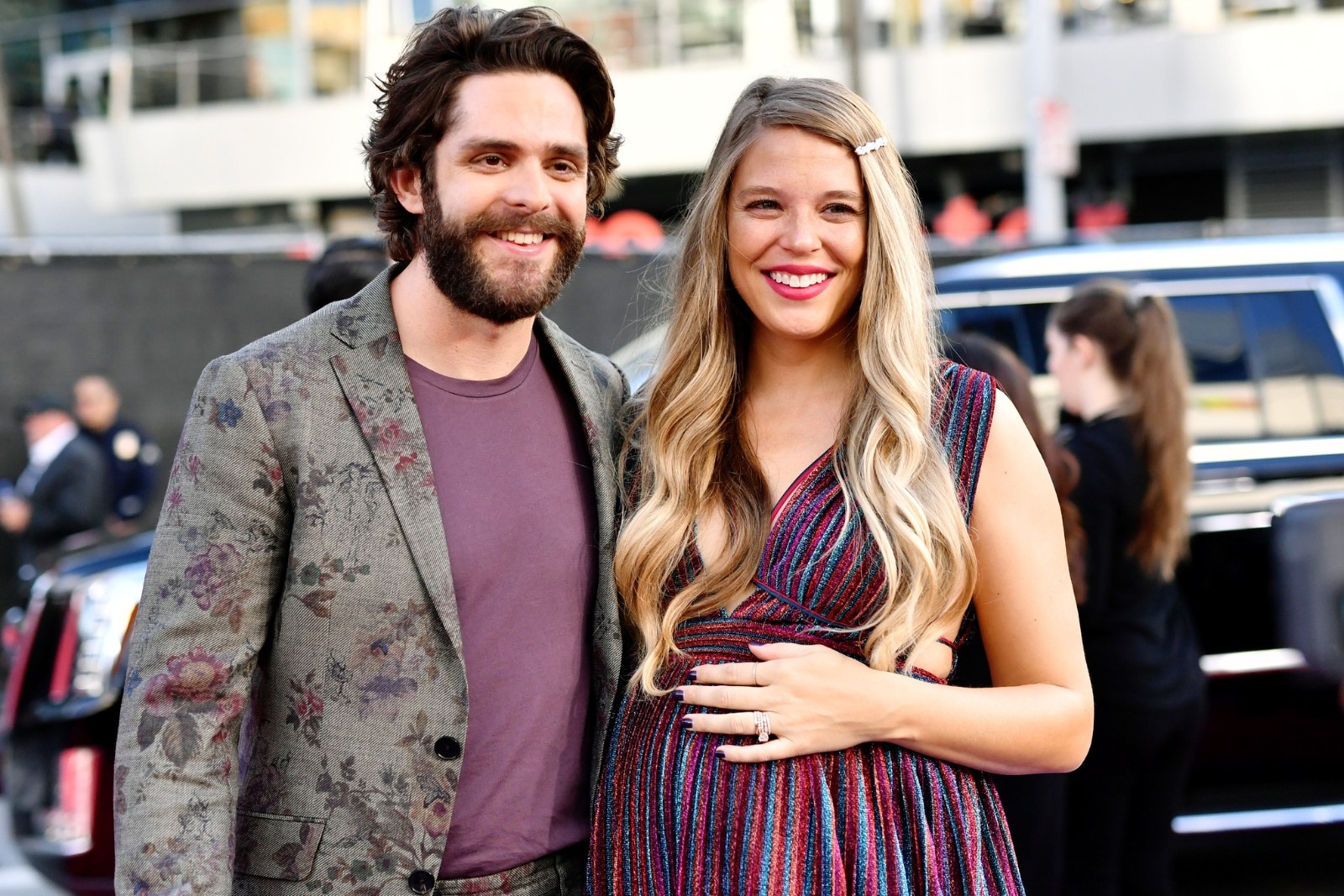








Imagine expecting a baby that could tip the scales at 11 pounds—Thomas Rhett and Lauren Akins are in for quite the adventure! Continue reading…Country Music News – Taste of Country
Reading Time: 3 minutes
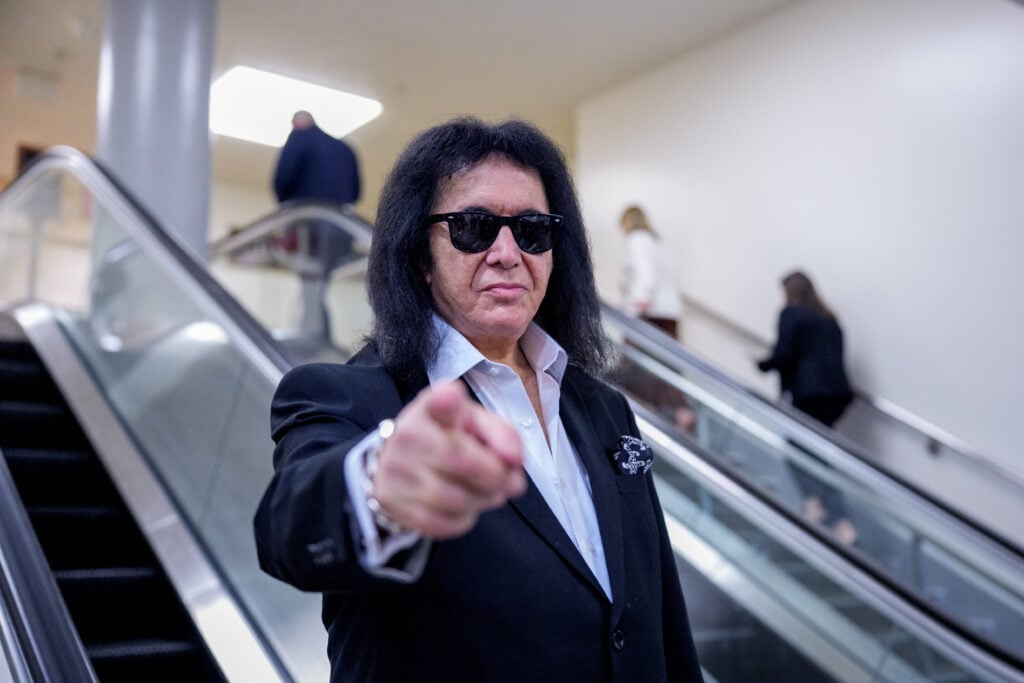
There are boomer takes, and then there’s whatever Gene Simmons is babbling about in his latest interview.
The KISS frontman — who, these days, is better known for his crotchety attitude than for his music — is lashing out yet again.
And this time, he’s participating in the bigoted tradition of explaining why hip hop is bad.
During a recent appearance on the “LegendsNLeaders” podcast, Simmons fumed over the fact that hip hop acts can be inducted inton Cleveland’s Rock and Roll Hall of Fame.
“It’s not my music,” said Simmons, adding:
“I don’t come from the ghetto. It doesn’t speak my language. And as I said in print many times, hip-hop does not belong in the Rock & Roll Hall of Fame, nor does opera or symphony orchestras.
“How come the New York Philharmonic doesn’t get into the Rock & Roll Hall of Fame?”
From there, Simmons seethed over the fact that rappers have been honored by the Hall, while metal band Iron Maiden has yet to be inducted.
“Iron Maiden is not in the Rock and Roll Hall of Fame when they can sell out stadiums,” he said.

Apparently, Gene — who recently blasted his late bandmate Ace Frehley, blaming him for his own death — believes that every band that sells out a stadium deserves a spot in the Hall of Fame.
“Ice Cube and I had a back and forth,” Simmons continued.
“He shot back that it’s the ‘spirit’ of rock and roll … I just want to know when Led Zeppelin’s going to be in the Hip-Hop Hall of Fame?
“Music has labels because it describes an approach. By and large, rap, hip-hop is a spoken-word art,” he continued.
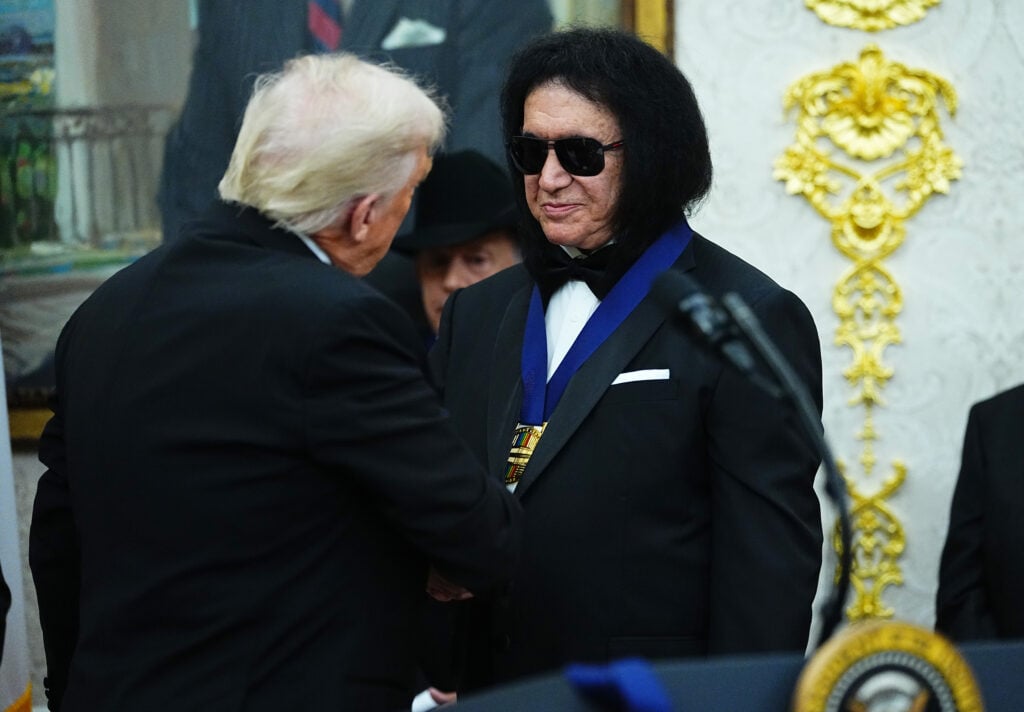
“Then you put beats in back of it and somebody comes up with a musical phrase, but it’s verbal. There are some melodies, but by and large, it’s a verbal thing.”
This is not the first time that Simmons has expressed his disdain for hip hop.
In a 2015 Rolling Stone interview, he said he was eagerly awaiting the “death of rap.”
When NWA was inducted into the Rock and Roll Hall of Fame in 2016, MC Ren told Simmons, “hip-hop is here forever — get used to it.”
Hopefully, Simmons won’t waste any more energy on the hip hop issue.
His time would be better spent on figuring out why even his colleagues in the rock realm have little respect for KISS.
Gene Simmons Blasts Rock & Roll Hall of Fame For Celebrating Hip Hop: ‘I … was originally published on The Hollywood Gossip.
The Hollywood Gossip

Cast iron cookware is an investment that can last generations. It’s essential to know how to recognize whether a pan is well seasoned or if it needs attention.

Mashed – Fast Food, Celebrity Chefs, Grocery, Reviews
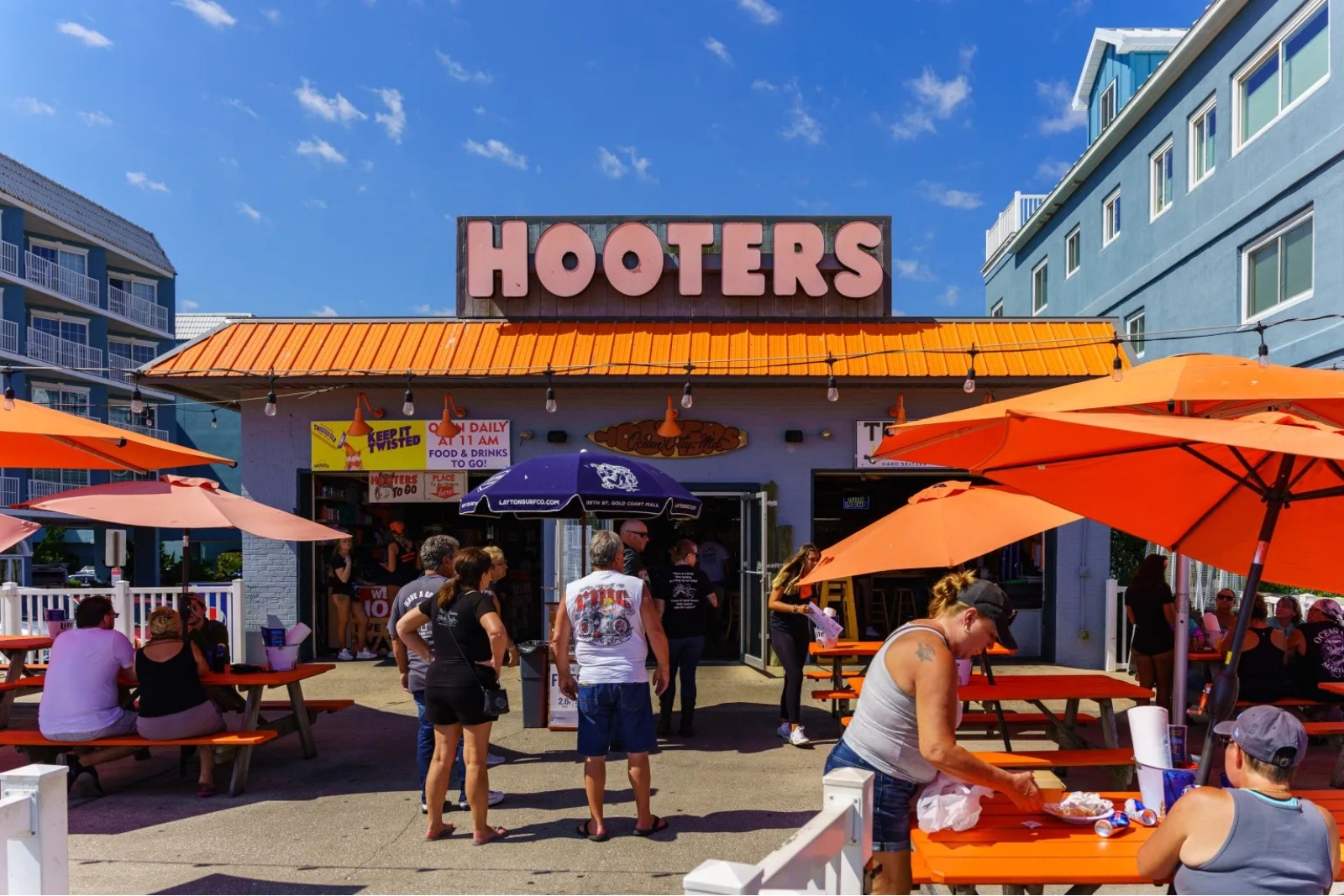
The popular Hooters in Boca Raton is shutting down, but it’s not because of a lack of customers. Continue reading…The Boot – Country Music News, Music Videos and Songs
The popular Hooters in Boca Raton is shutting down, but it’s not because of a lack of customers. Continue reading…Country Music News – Taste of Country
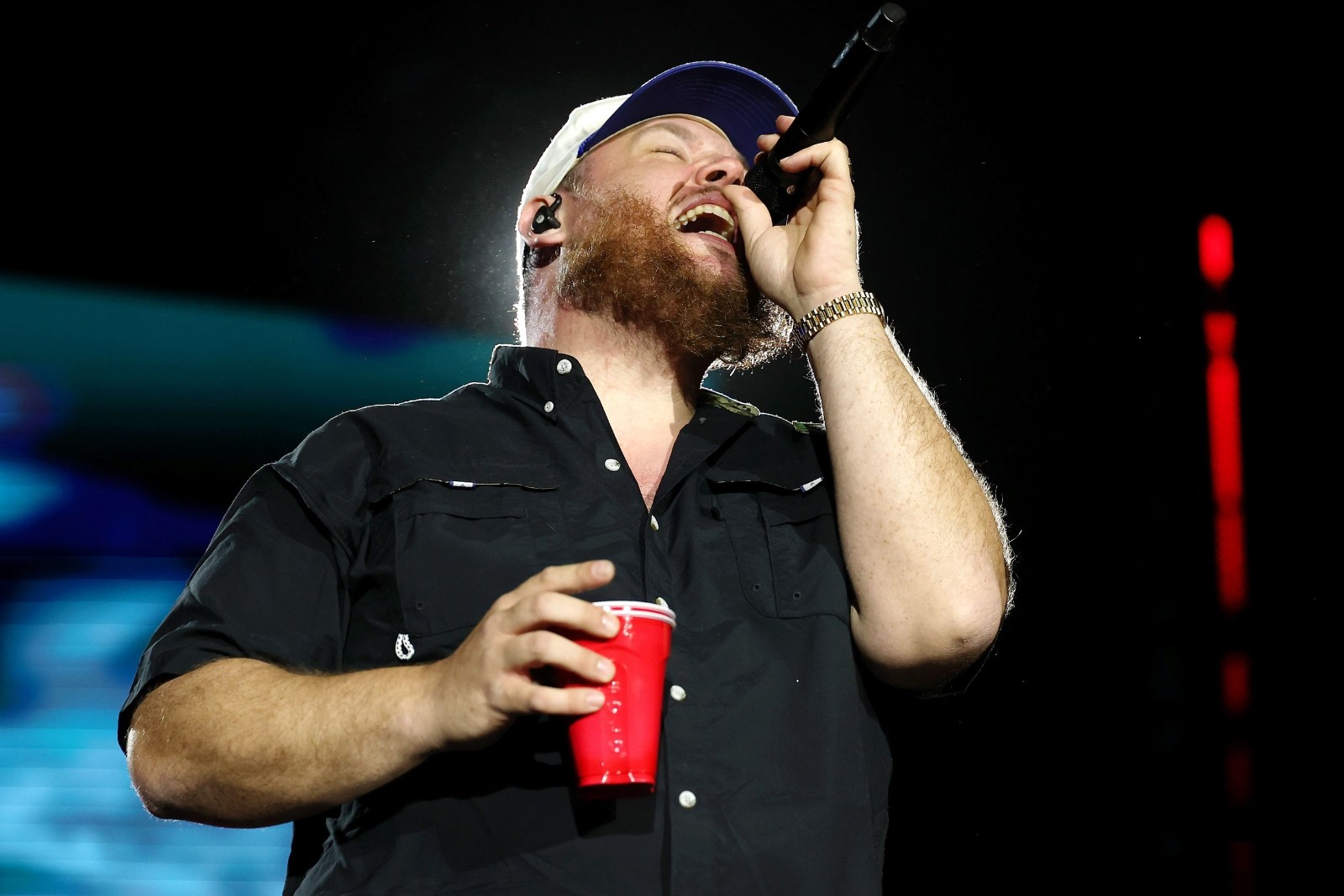
Get ready for a musical journey that brings back the heart of country, just when fans need it most. Continue reading…The Boot – Country Music News, Music Videos and Songs
Get ready for a musical journey that brings back the heart of country, just when fans need it most. Continue reading…Country Music News – Taste of Country

When Kylie Jenner recently shared her “new favorite snack,” it had fans questioning whether it was actually a healthy weight loss supplement. Here’s why.

Health Digest – Health News, Wellness, Expert Insights
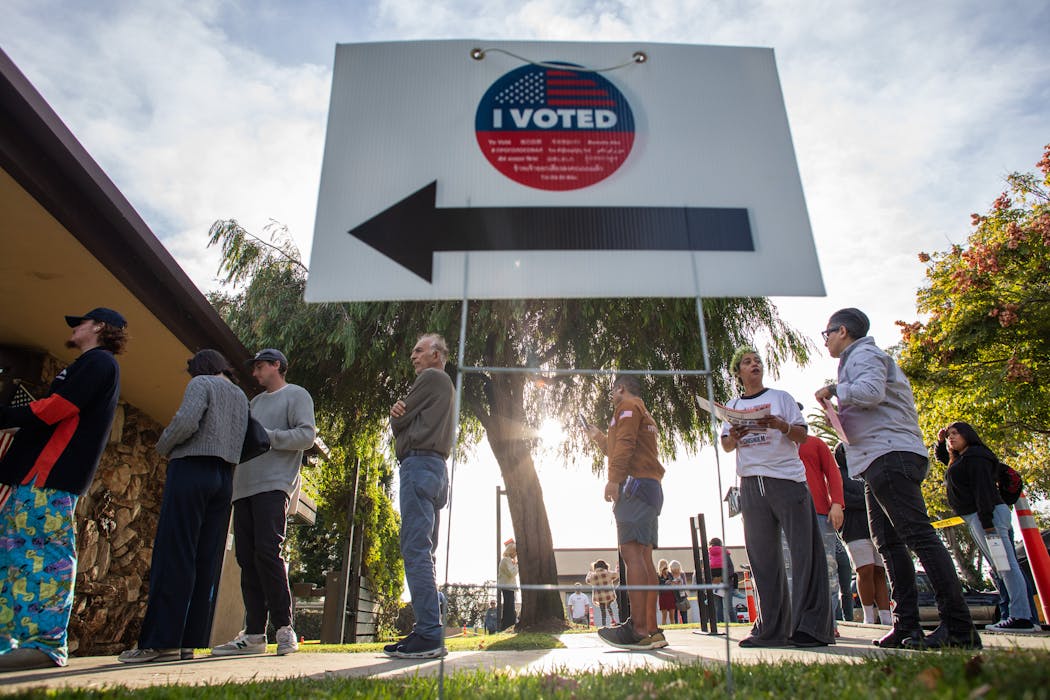
The Republican-led House of Representatives voted Feb. 11, 2026 to approve the Safeguard American Voter Eligibility Act – or SAVE America Act. The bill would require individuals to provide proof of citizenship when they register to vote and present photo identification when they do vote in federal elections.
This marks the third year in a row that the House has passed similar legislation. Passage in the Senate, which would require Democratic votes, continues to appear unlikely. But Republicans from President Donald Trump on down are clearly interested in finding ways to enhance election security – although critics contend the SAVE America Act would unfairly disenfranchise millions of citizens.
The SAVE America Act would require anyone registering to vote in federal elections to first “provide documentary proof of U.S. citizenship” in person, such as a passport or birth certificate. The new version goes further than its predecessor by requiring many individuals voting in federal elections to present photo identification at the polls indicating proof of U.S. citizenship.
Voting rights experts and advocacy organizations have detailed how the legislation could suppress voting. In part, they say it would particularly create barriers in low-income and minority communities. People in such communities often lack the forms of ID acceptable under the SAVE America Act for a variety of reasons, including socioeconomic factors.
As of now, at least 9% of voting-age American citizens – approximately 21 million people – do not even have driver’s licenses, let alone proof of citizenship. In spite of this, many legislators support the bill as a means of eliminating noncitizen voting in elections.
As a legal scholar who studies, among other things, foreign interference in elections, I find considerations about the potential effects of the SAVE America Act important, especially given how rare it is that a noncitizen actually votes in federal elections.
Yet, it is equally crucial to consider a more fundamental question: Is the SAVE America Act even constitutional?
The SAVE America Act would forbid state election officials from registering an individual to vote in federal elections unless this person “provides documentary proof of United States citizenship.” Furthermore, it would forbid individuals from voting unless they bring such proof to the polls each time they vote, unless their state agrees to submit voter registration lists to the U.S. Department of Homeland Security on a quarterly basis.
Acceptable forms of proof for voter registration would include a REAL ID that demonstrates U.S. citizenship – most of which do not – as well as a U.S. passport or a U.S. military identification card.

So – should the SAVE America Act become law – if a person turns 18 or moves between states and wishes to register to vote in federal elections in their new home, they would likely be turned away if they do not have any such documents readily available. At best, they could still fill out a registration form, but they would need to mail in acceptable proof of citizenship.
For married people with changed last names, among others, questions remain about whether birth certificates could even count as acceptable proof of citizenship for them.
Despite the national conversation the SAVE America Act has sparked, it is unclear whether Congress even has the power to enact it. This is the key constitutional question.
The U.S. Constitution imposes no citizenship requirement when it comes to voting. The original text of the Constitution, in fact, said very little about the right to vote. It was not until legislators passed subsequent amendments, starting after the Civil War up through the 1970s, that the Constitution even explicitly prohibited voting laws that discriminate on account of race, sex or age.
Aside from these amendments, the Constitution is largely silent about who gets to vote.
Who, then, gets to decide whether someone is qualified to vote? No matter the election, the answer is always the same – the states.
Indeed, by constitutional design, the states are tasked with setting voter-eligibility requirements – a product of our federalist system. For state and local elections, the 10th Amendment grants states the power to regulate their internal elections as they see fit.
States also get to decide who may vote in federal elections, which include presidential and congressional elections.
When it comes to presidential elections, for instance, states have – as I have previously written – exclusive power under the Constitution’s electors clause to decide how to conduct presidential elections within their borders, including who gets to vote in them.
The states wield similar authority for congressional elections. Namely, according to Article 1 of the Constitution and the Constitution’s 17th Amendment, if someone can vote in their state’s legislative elections, they are entitled to vote in its congressional elections, too.
Conversely, the Constitution provides Congress zero authority to govern voter-eligibility requirements in federal elections. Indeed, in the U.S. Supreme Court’s 2013 ruling on the Arizona v. Inter Tribal Council case, the court asserted that nothing in the Constitution “lends itself to the view that voting qualifications in federal elections are to be set by Congress.”
The SAVE America Act presents a constitutional dilemma. By requiring individuals to show documentary proof of U.S. citizenship to vote, the SAVE America Act is implicitly saying that someone must be a U.S. citizen to vote in federal elections.
In other words, Congress would be instituting a qualification to vote, a power that the Constitution leaves exclusively to the states.
Indeed, while all states currently limit voting rights to citizens, legal noncitizen voting is not without precedent. As multiple scholars have noted, at least 19 states extended voting rights to free male “inhabitants,” including noncitizens, starting from our country’s founding up to and throughout the 19th century.
Today, over 20 municipalities across the country, as well as the District of Columbia, allow permanent noncitizen residents to vote in local elections.
Any state these days could similarly extend the right to vote in state and federal elections to permanent noncitizen residents. This is within their constitutional prerogative. And if this were to happen, there could be a conflict between that state’s voter-eligibility laws and the SAVE America Act.
Normally, when state and federal laws conflict, the Constitution’s supremacy clause mandates that federal law prevails.
Yet, in this instance, where Congress has no actual authority to implement voter qualifications, the SAVE America Act would seem to have no constitutional leg on which to stand.
So, why have 108 U.S. representatives sponsored a bill that likely exceeds Congress’ powers?
Politics, of course, plays some role here. Namely, noncitizen voting is a major concern among Republican politicians and voters. Every SAVE America Act co-sponsor is Republican, as were all but four of the 220 U.S. representatives who voted to pass the SAVE Act in April 2025.
When it comes to the constitutionality of the SAVE America Act, though, proponents simply assert that Congress is acting within its purview.
Specifically, many proponents have cited the Constitution’s elections clause, which gives Congress the power to regulate the “Times, Places and Manner” of congressional elections, as support for that assertion. Utah Sen. Mike Lee, for example, explicitly referenced the elections clause when defending the SAVE Act earlier in 2025.
But the elections clause only grants Congress authority to regulate election procedures, not voter qualifications. The Supreme Court explicitly stated this in the Inter Tribal Council ruling.
Congress can, for instance, require states to adopt a uniform federal voter registration form and even include a citizenship question on said form. What it cannot do, however, is implement a nonnegotiable mandate that effectively tells the states they can never allow any noncitizen to vote in a federal election.
For now, the SAVE America Act is simply legislation. Should the Senate pass it, Trump will almost assuredly sign it into law, given, among other factors, his recent call for Republicans to nationalize elections. If and when that happens, the courts would have to reckon with the SAVE America Act’s legitimacy within the country’s constitutional design.
This is an update of an article originally published on April 22, 2025.

John J. Martin does not work for, consult, own shares in or receive funding from any company or organization that would benefit from this article, and has disclosed no relevant affiliations beyond their academic appointment.
Politics + Society – The Conversation
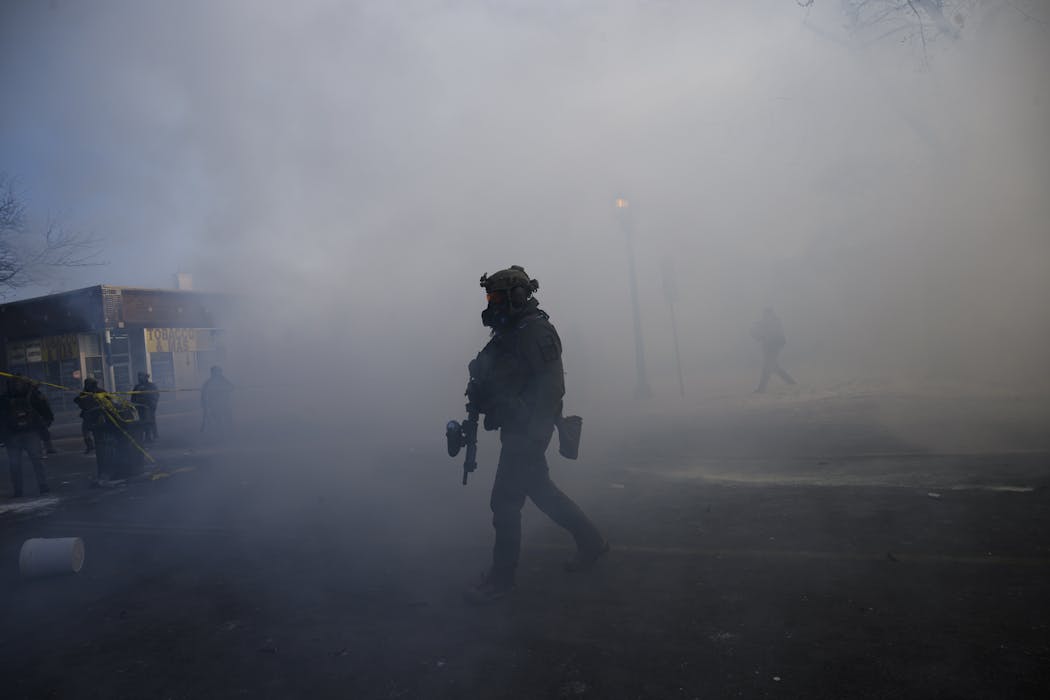
Stephen Miller’s January 2026 announcement to Immigration and Customs Enforcement officers – telling them that they have “immunity to perform your duties” and that no “illegal alien, no leftist agitator or domestic insurrectionist” can stop them – may seem like an extreme statement outside the political mainstream.
And when ICE agents use facial recognition software to monitor immigrants and protesters, that might seem like an unacceptable invasion of people’s privacy.
While extreme, these cases are not too unexpected. Both Miller’s statements and ICE’s monitoring extend from the framework of immigration enforcement that grew from the Sept. 11, 2001, terrorist attacks.
Immigration enforcement was reorganized and reframed after 9/11, particularly through the creation of ICE and the Department of Homeland Security.
As a scholar of immigration in the U.S., I find that the growth of extreme immigration enforcement, both at the border and across the country, results from this change 25 years ago.
In November 2002, the Homeland Security Act created DHS. The founding of ICE followed a few months later. As the agency notes, it was part of “the single-largest government reorganization since the creation of the Department of Defense.” Immigration enforcement was folded into a national security priority whose primary purpose was to defend “homeland security.”
The notion of immigrants as potential criminals was widespread well before the creation DHS.
In 1996, for example, President Bill Clinton signed the Illegal Immigration Reform and Immigration Responsibility Act. That law expanded the number of offenses that could result in automatic deportation, including of legal residents. The act also limited judicial review of deportation cases, while the very title of the law framed people in the U.S. without legal status as lawbreaking criminals.
But after 9/11, the connection between immigration and law enforcement intensified and took on a new dimension: counterterrorism. Immigration was no longer treated as a civil issue in which immigrants were deported if found through a civil court to have violated the law.
Instead, immigrants were evaluated as possible threats to the country.

Immigration trials, such as for overstaying visas, increasingly took place in closed hearings, with the government’s secret evidence not shared with the accused. Those arrested for crossing the border illegally were imprisoned and faced [criminal prosecutions]. Expedited deportations took place at the border and across the country, even for immigrants who had been in the U.S. for years.
Further federal government practices connected immigrants to terrorism. The National Security Entry-Exit Registration System or NSEERS, introduced in 2002, required immigrant men from 25 countries – almost entirely in the Middle East, South Asia and North Africa – to register with the federal government after already residing in the country. It was framed as an effort to defend homeland security, and hundreds of people who had overstayed their visas for less than a month were detained.
United Nations human rights experts later criticized NSEERS for racial and religious profiling. Of the approximately 80,000 people registered, not a single terrorism prosecution resulted. About 14,000 were placed in deportation proceedings for visa irregularities, none for terrorism-related activity.
DHS suspended NSEERS in 2011, and it was terminated in 2016.
If the purpose of NSEERS was to identify terrorists, it failed.
But it succeeded in treating immigrants as potential terrorists. That connection has intensified since.
Federal government investment in facial recognition technology grew substantially after 9/11 with bipartisan support. The goal was to identify possible terrorists in American airports and cities.

Today, facial recognition has become a common tactic used by ICE officers to identify not just immigrants for potential detention but also citizen observers.
Additionally, privately owned detention centers grew in response to the mass arrests of immigrants. Treatment of immigrants at these centers, according to human rights advocates, has included “abuse, solitary confinement, and medical neglect.” For years, ICE detention centers have been criticized for similar conditions.
Programs like NSEERS produced fear and led to what policymakers have called self-deportation, where immigrants voluntarily leave the U.S. Today, self-deportation has become a government-endorsed program.
Research also shows that heightened immigration enforcement after 9/11 led many immigrants, even those with legal status, to withdraw from public life, avoiding schools, hospitals and work. ICE today produces the same kinds of fear.
The immigration enforcement response to 9/11 set the stage on which Miller’s language and the collection of everyday Americans’ data become viable.
Under this way of thinking, if the homeland is under threat, then those who challenge immigration enforcement are “domestic terrorists.” Investigations into ICE officers are muted, for the officers are protecting the homeland against existential danger. Severe tactics to detain immigrants and condemn protesters become not only permissible but also advisable, according to advocates.
Perhaps technical reforms, such as requiring ICE agents to use body cameras or requiring ICE agents to have judicial warrants before entering homes, may limit some abuses.
But these measures do not address the underlying premise since 9/11 that immigration has become primarily viewed as a national security threat.

Pawan Dhingra does not work for, consult, own shares in or receive funding from any company or organization that would benefit from this article, and has disclosed no relevant affiliations beyond their academic appointment.
Politics + Society – The Conversation