Colombia’s president has dismissed Washington’s decision to cancel his visa, saying “revoking it for denouncing genocide shows the US no longer respects international law”.The Latest News from the UK and Around the World | Sky News
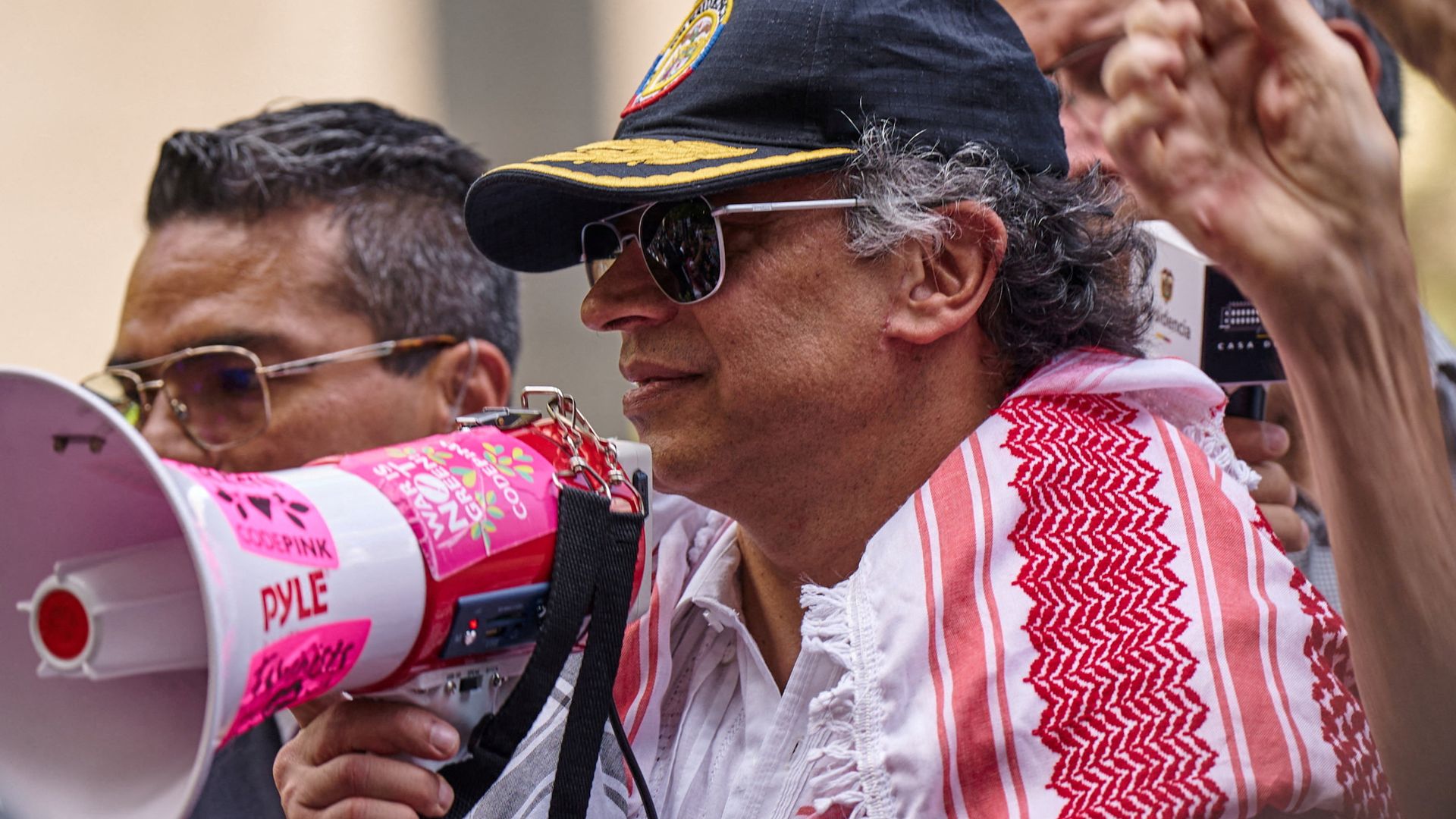








Colombia’s president has dismissed Washington’s decision to cancel his visa, saying “revoking it for denouncing genocide shows the US no longer respects international law”.The Latest News from the UK and Around the World | Sky News

A US man has been arrested after admitting during a television interview that he killed his parents.The Latest News from the UK and Around the World | Sky News
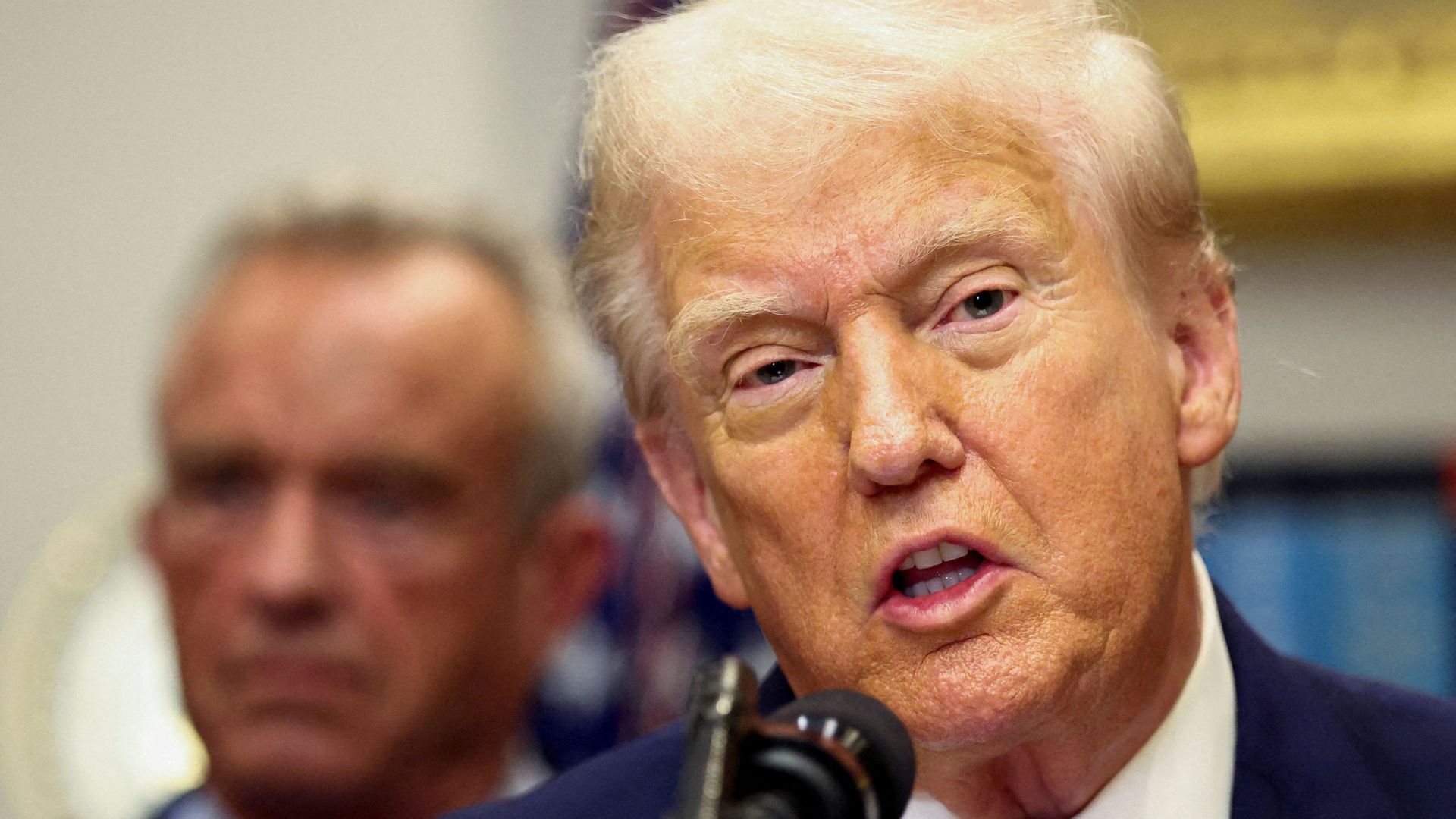
It was one sentence among the many words Donald Trump spoke this week that caught my attention.The Latest News from the UK and Around the World | Sky News
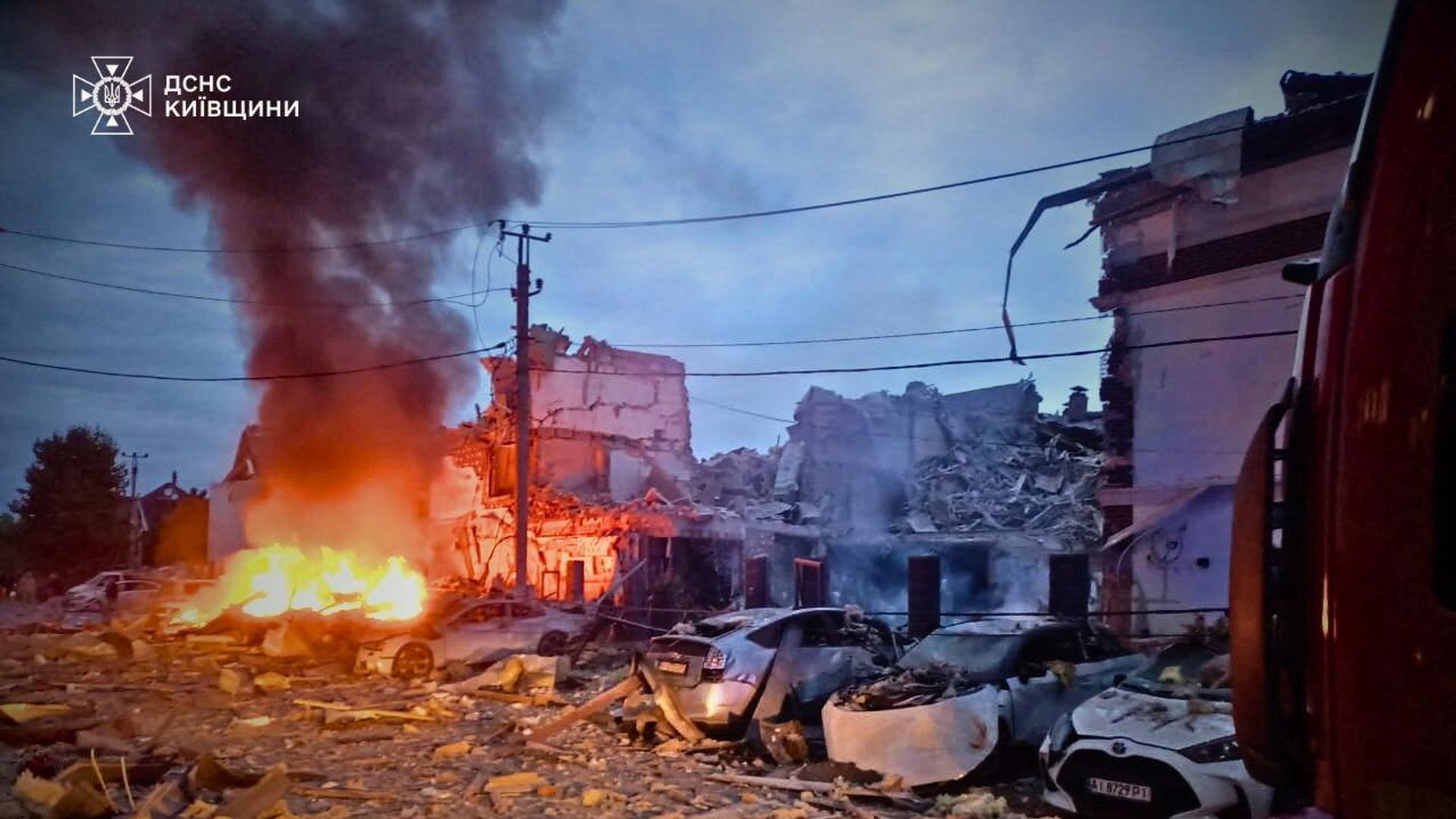
Russia has launched a massive drone and missile attack on Ukraine’s capital this morning, killing four people and injuring about 10, Kyiv’s military administration has said.The Latest News from the UK and Around the World | Sky News
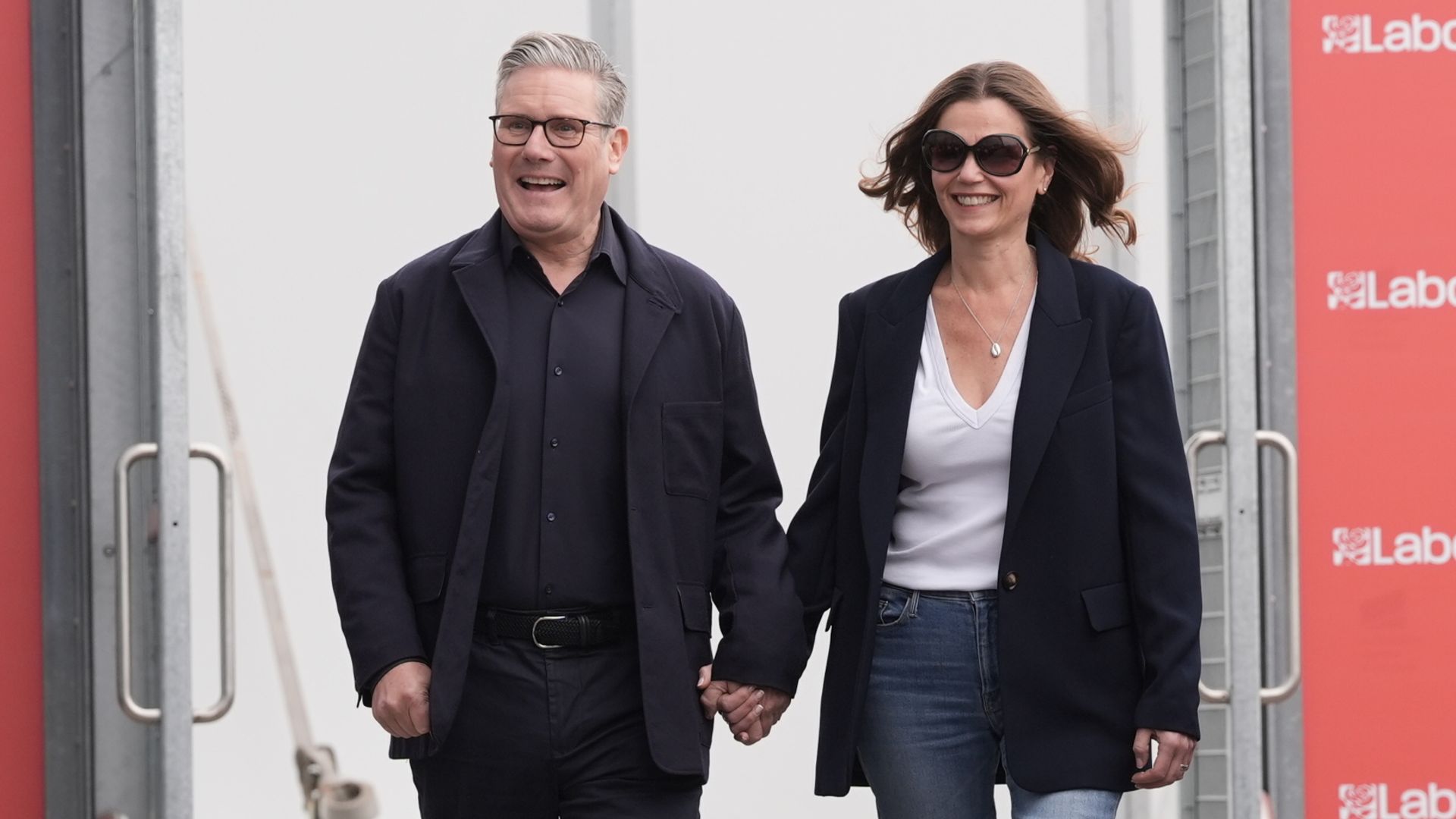
More than half of Labour members do not want Sir Keir Starmer to fight the next general election as party leader, a new poll has revealed.The Latest News from the UK and Around the World | Sky News
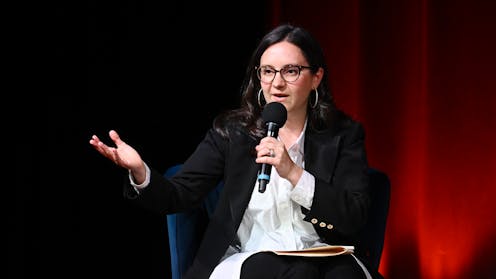
For weeks, there has been a great deal of reporting about an impending shake-up in the world of television news. Paramount Global CEO David Ellison is in talks to purchase The Free Press, an online media startup launched in 2021 as a conservative alternative to traditional news organizations.
Once the deal goes through, Ellison is weighing giving Free Press editor and CEO Bari Weiss the job of editor in chief at CBS News.
Should she get the job, Weiss will immediately become a “key figure in shaping the national news environment,” in the words of an article in The Guardian.
The writing Weiss has edited and produced over the years, which conveys a deep disdain for legacy news media, offers hints at what that “shaping” might look like. Among the examples: The Free Press has published essays accusing NPR of a “liberal bias” and arguing against diversity, equity and inclusion.
Weiss, who worked at The New York Times before starting The Free Press, quit her job in 2020 as an opinion editor and writer with a resignation letter that referred to the Times as a place where “intellectual curiosity – let alone risk-taking – is now a liability.”
Though it is too soon to say what, specifically, Weiss plans to do should she take over CBS News, her record at The Free Press suggests the network’s journalism would look radically different than it does now.
But even if Weiss dramatically changes people’s experience watching CBS News, it is unlikely those changes will affect how the public feels about CBS News.
This might seem counterintuitive. After all, isn’t someone’s reaction to media dictated by their experience consuming it? A movie is good if we find it entertaining and worthwhile, and it’s bad if the opposite is true.
Why isn’t the same true when it comes to journalism? We tend to take for granted that people will consume news despite the fact that most Americans find the news untrustworthy and the experience of following the news mentally exhausting. So, perhaps a better question is how people’s increasing distrust of journalism affects their interactions with and perceptions of individual news outlets.
As a scholar who researches the relationship between journalism and the public, I have spent the past five years trying to answer these questions. Since the spring of 2020, University of Oregon professor Seth Lewis and I have interviewed hundreds of Americans about their trust in journalists and journalism.
Our research, which has been published in academic journals and will be published soon in a book by MIT Press, suggests that people’s relationship with news is defined less by their impressions of individual news stories, journalists or organizations. Instead, the public’s views are shaped more by a broad skepticism toward the profession as a whole.

That skepticism has less to do with what the news actually looks like than it does with people’s assumption that journalism is compromised by the pursuit of profit. As one of our interviewees told us: “It’s profits over journalism and over truth.”
This sentiment suggests that for the public it may not matter much whether Weiss takes over CBS, given it will still perceive Weiss’ boss as being more motivated by money than mission.
This profit-oriented skepticism toward the news goes against the conventional wisdom that people trust news outlets that they feel align with their political ideologies and distrust those that do not.
If that conventional wisdom were true, a Weiss-led CBS might alienate a progressive subset of the public while bringing in a conservative one. Weiss’ audience from The Free Press would follow her to one of the largest, most established brands in journalism, while those who share Weiss’ ideological leanings but are not aware of The Free Press would be pleasantly surprised to find their views suddenly represented on CBS News.
This sequence of events makes intuitive sense. Yet it is inconsistent with what we’ve learned about how people think about and interact with news.
Instead, people are likely to see CBS’ new direction less as a sign of a sincere, bottom-up ideological shift by those working at the network and more as a top-down effort by corporate elites seeking to maximize profits.
The people we interview often describe journalists generally, and television news reporters specifically, as being pushed by their organizations’ owners to politicize and sensationalize their reporting in hopes of appealing to – and monetizing the attention of – as large an audience as possible.

“If you don’t get a certain number of views, you’re not making enough money,” one interviewee said.
Another explained that the people in charge of news channels suspect the public is too politically divided for unbiased journalism to be profitable. “Because there’s so much division now,” the interviewee said, “if a lot of journalists went toward being unbiased they will lose a lot of viewers.”
In other words, people are less likely to see the shift as a sign that those running CBS News now believe what they believe. Viewers are more likely to see it as a sign that the wealthy few who run CBS News are simply charting a new path toward monetizing the audience’s attention.
As one interviewee explained, news that the public encounters often ends up taking the form of “whatever the suits upstairs want journalism and reporting to be.”
A CBS News led by Weiss will likely be a very different network. That doesn’t mean it will find a different audience.
As Lewis and I have learned, and as Ellison and Weiss may soon find, people’s perceptions are a stubborn thing. When it comes to news media, those perceptions are less tied to the journalists themselves and more tied to assumptions about the corporations behind them.

Jacob L. Nelson does not work for, consult, own shares in or receive funding from any company or organization that would benefit from this article, and has disclosed no relevant affiliations beyond their academic appointment.
Politics + Society – The Conversation
Reading Time: 3 minutes
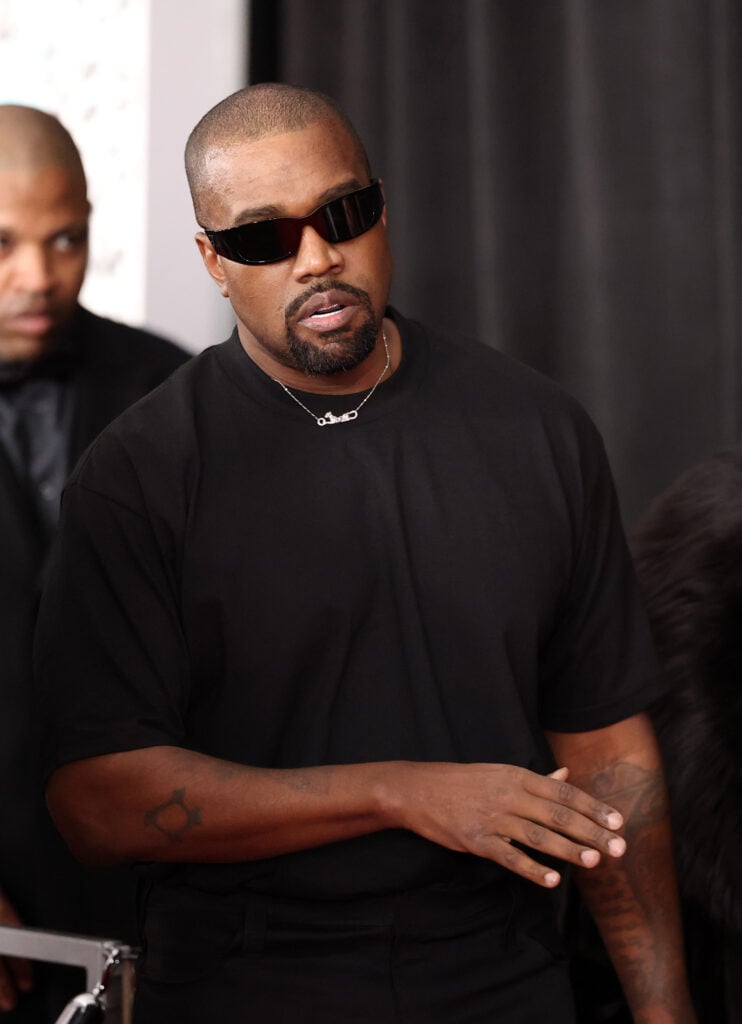
Last week, a new documentary about Kanye West was released in theaters.
The film has generated controversy for a number of reasons, not the least of which is its shocking portrayal of West’s mental health issues.
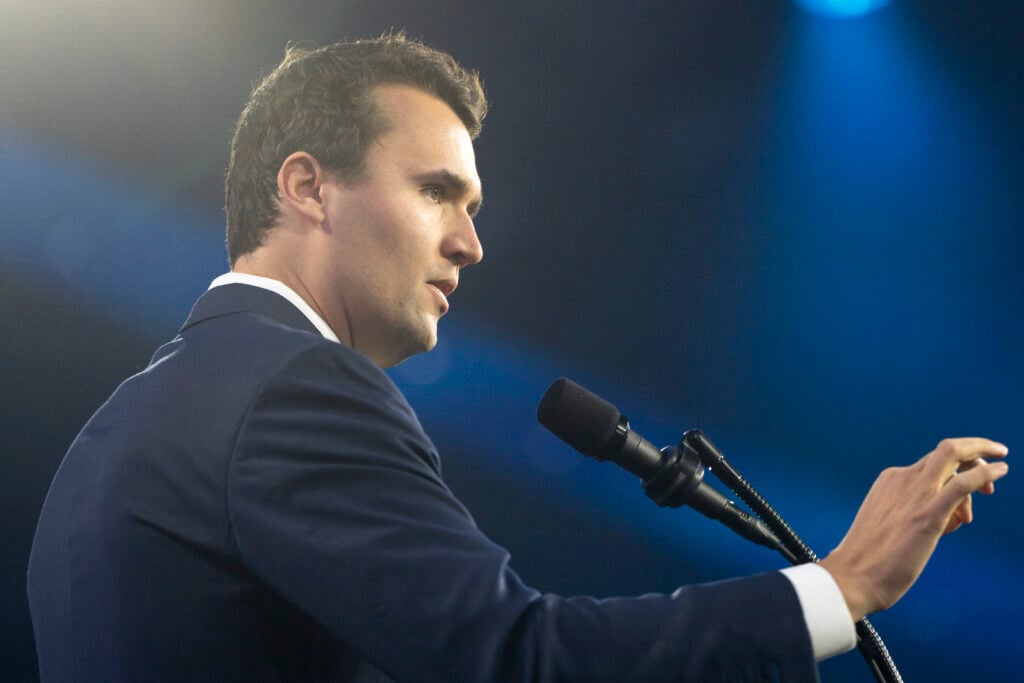
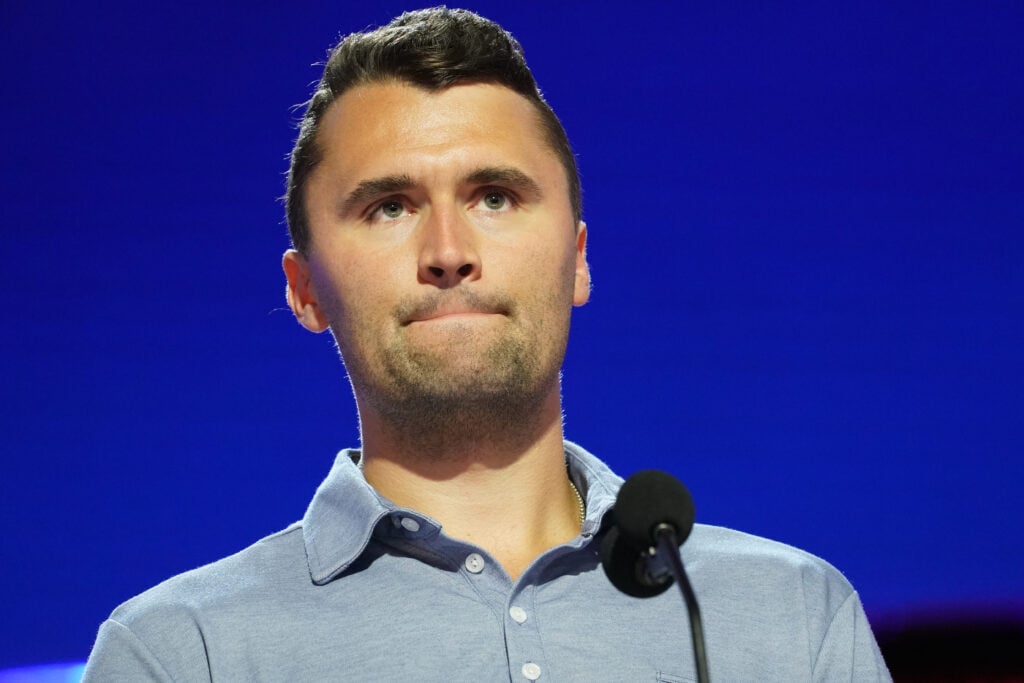
But the most intense criticism of In Whose Name? has to do with an unexpected cameo by the late Charlie Kirk.
As you’re surely aware by now, Kirk was shot and killed during a speaking engagement at Utah Valley University on September 10.
Director Nico Ballestros filmed the documentary from 2019 to 2024, and it features a scene in which West sits down with Kirk and fellow right-wing pundit Candace Owens.
Kirk is mostly silent as West and Owens engage in a friendly back-and-forth about cultural and political issues.
But even though there’s nothing unflattering about his appearance in the scene, sources close to Kirk’s family have slammed the filmmakers for their “disrespectful and cruel” behavior.
“Charlie is gone, and to drag him into Kanye’s world of controversies like this is shameless. They feel the filmmakers are exploiting his memory for headlines,” the insider tells Radar Online.
“It was a private meeting between Charlie and Kanye that had nothing to do with the rapper’s controversies, and now his name is being splashed everywhere in connection with Charlie.”
Sources close to Ballestros say the filmmaker “stands by” his decision to include the Kirk footage in the completed film.
The filmmaker — who was just 19 when he began filming candid moments in Kanye’s life — has been battling back amid criticism that In Whose Name? is exploitative and insensitive to the people who appear on screen.
“I didn’t make this to tell a story of descent or unraveling,” Ballesteros has said about the film.
“I made it to tell a beautiful, deep story of an American figure,” he continued, adding:
We live in such a headline-based society, so I believe this is the body text underneath those headlines. I’m not trying to persuade anyone. I want it to be like a Rorschach test.”
The Kirk controversy is somewhat surprising, as Charlie obviously consented to be featured in the film while he was alive.
But it’s understandable that in the wake of Kirk’s shocking death, his family might not wish to see him publicly associated with a figure as controversial as Kanye, who proclaimed himself a Nazi just a few months ago.
Of course, their protests are likely to fall on deaf ears. In Whose Name? has already been released to the public, and it’s unlikely that it will be altered now.
Charlie Kirk Cameo In New Kanye West Documentary Draws Criticism: Report was originally published on The Hollywood Gossip.
The Hollywood Gossip
Reading Time: 3 minutes
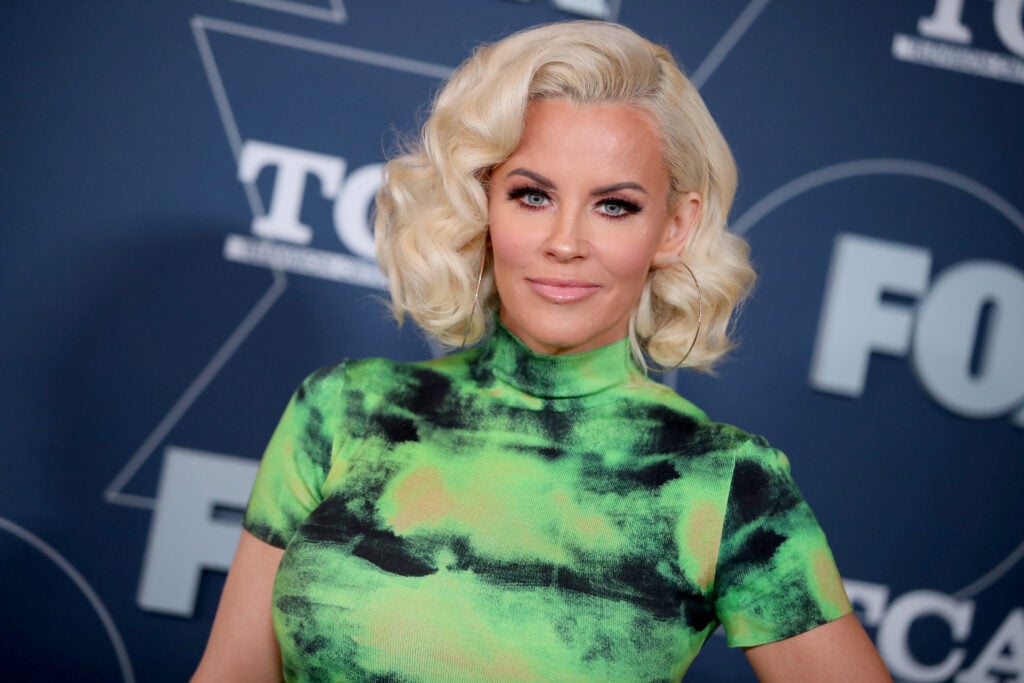
What does Jenny McCarthy think of Donald Trump’s anti-Tylenol announcement?
You can probably guess that she’s all for it.
McCarthy is one of the people who “helped” bring society where it is today. Growing numbers of people are hesitant to vaccinate themselves, their children, or even their dogs.
And yes, she’s happy to explain exactly why she believes that Tylenol is a menace.
Though Donald Trump’s meltdown over Jimmy Kimmel distracted many from it, he made an announcement claiming that acetaminophen — which most of us know by the brand name, Tylenol — is inadvisable during pregnancy.
(Unlike other painkillers, such as ibuprofen, acetaminophen has long been known to be safe when taken as a painkiller when someone is pregnant)
Bizarrely, the claim was not simply that Tylenol is unsafe.
But there is a farcically absurd and unscientific claim that taking Tylenol has a causal link to autism. (This is false)
Jenny McCarthy has spent decades tying her personal brand to what one might generously describe as fringe science.
She has maintained that she is not an “anti-vaxxer” while simultaneously being the face of vaccine hesitancy in America.
Now, she’s chiming in with Trump’s extremely dubious claims about Tylenol.
And she has more to say than “it can only good happen.”
“Let me explain,” Jenny McCarthy says ominously in a new Instagram video.
“Tylenol basically depletes your glutathione,” she alleged. “It lowers it.”
That is partially true; in particular, someone taking too much acetaminophen could see a reduction in this organic compound that functions as a natural antioxidant.
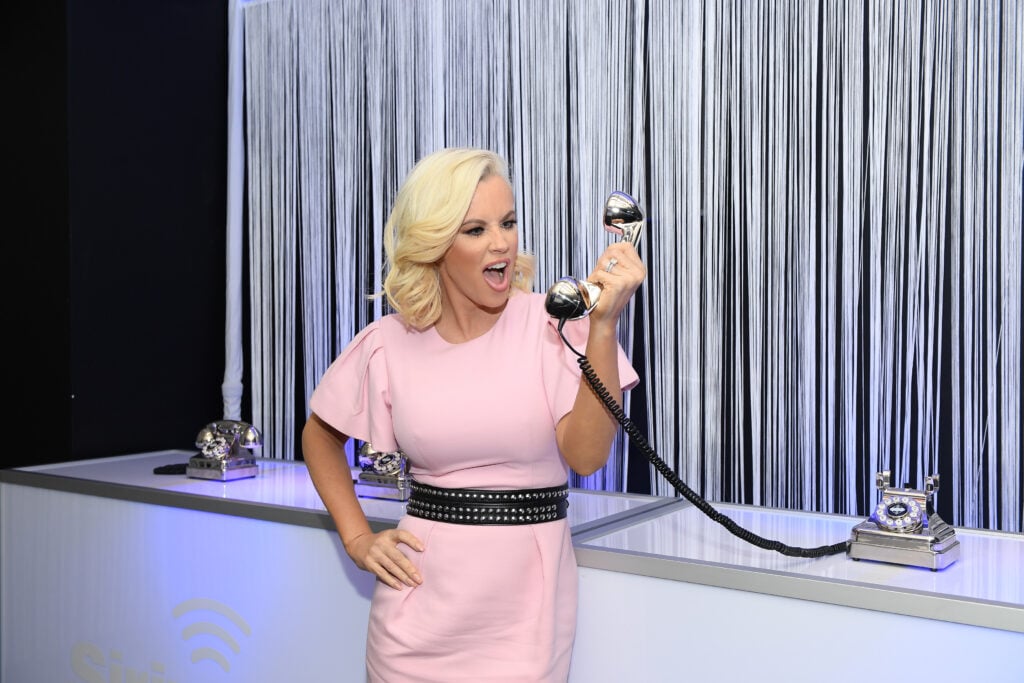
“What is glutathione?” McCarthy continues.
“Glutathione is your body’s natural antioxidant.” (It also plays a role in wine making!)
“It’s a wonderful thing to help us detox all of the environmental toxins that we’re assaulted with every single day,” she alleged. (We have not seen actual experts characterize it in quite this way)
This is when McCarthy ties it to vaccines, one of her favorite topics for the past couple of decades.
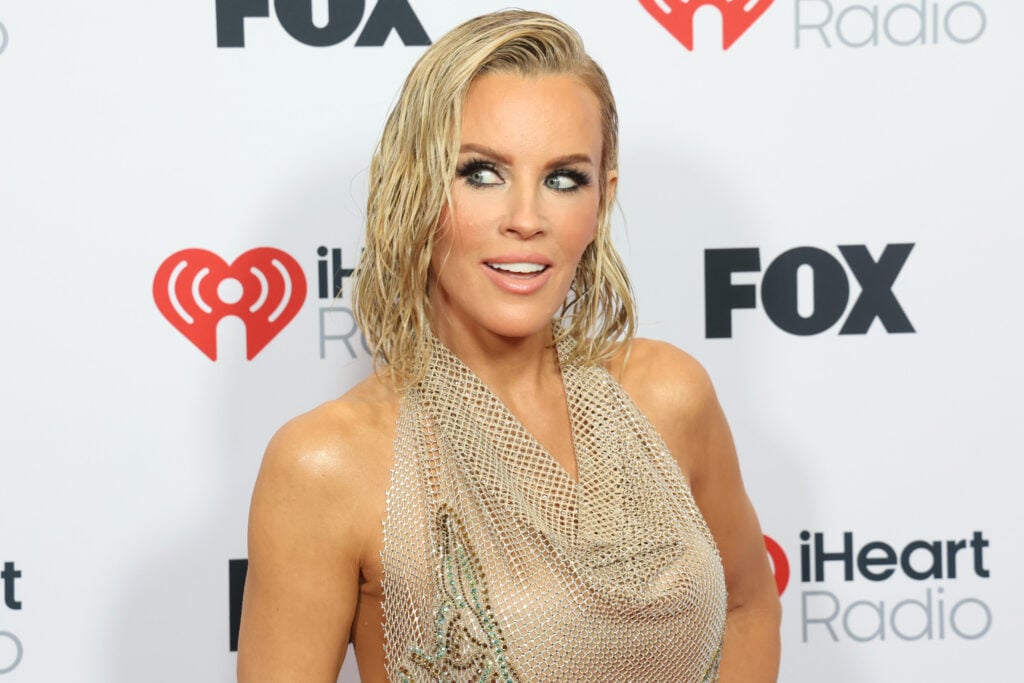
See, Jenny McCarthy explains that she believes that Tylenol use before or after a vaccination could diminish the body’s ability to purge alleged toxins within vaccines.
(You can see where she is working with real information, even if her statements are not supported by the medical or scientific communities)
She also seems to believe that this could play a role in whether someone is autistic.
It’s worth noting that some have characterized McCarthy as an “autism advocate,” but much of what she has to say on autism tends to sound negative.
Autistic people are not a problem to be solved — or prevented.
They are your friends, your neighbors, your family, your coworkers, your partners.
The way to address autism is to create a society that is more friendly towards autistic folks.
Also, please don’t get your information from quacks. We’re not saying who the quacks are. Hopefully, you can figure that out yourself.
Jenny McCarthy ‘Explains’ Alleged Link Between Tylenol, Vaccines, Autism … was originally published on The Hollywood Gossip.
The Hollywood Gossip
Reading Time: 2 minutes
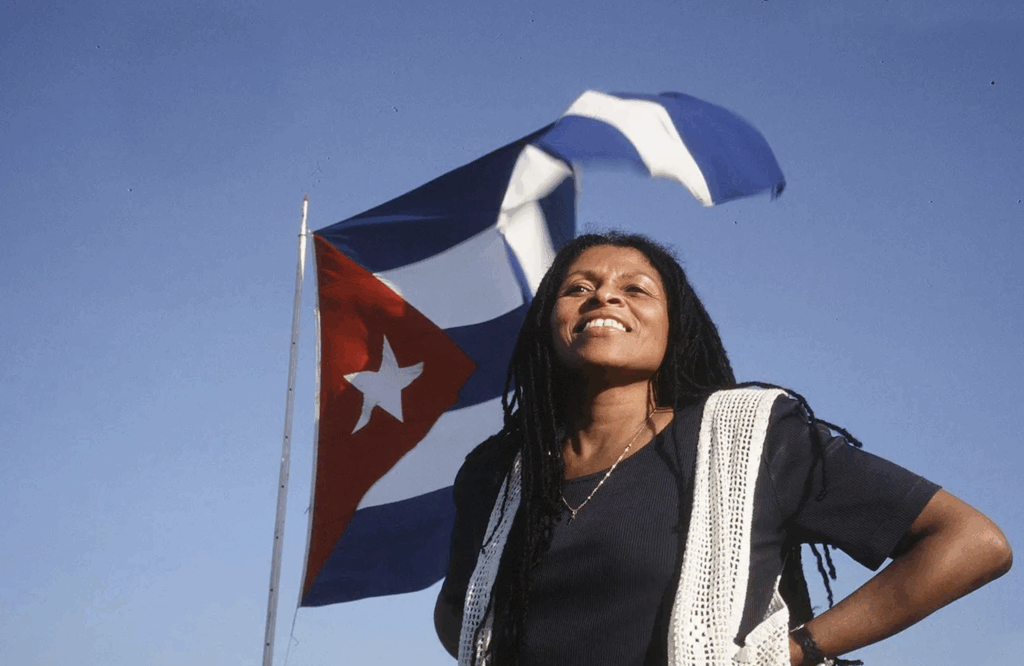
Assata Shakur, the grandmother of hip hop legend Tupac Shakur, has passed away.
Shakur died in Cuba, where she’s lived since escaping from a US prison in 1979.
Though best known these days for raising Tupac’s mother, Afeni Shakur, Assata first gained fame for her involvement in the struggle for civil rights.
She was 78 years old.
A former member of the Black Panther Party and the Black Liberation Army, Shakur became a prominent figure in the civil rights movement in the 1960s.
Raised between New York and North Carolina, she was active in movements that sought racial justice, community empowerment, and opposition to systemic racism and police brutality.
Her life took a dramatic turn in 1973, when a car she was riding in was pulled over for a faulty taillight on the New Jersey Turnpike.
The traffic stop resulted in a shootout that left a state trooper and a Black Liberation Army member dead.
Shakur was wounded, arrested, and convicted of murder in 1977.
In 1979, Shakur managed to escape. She sought political asylum in Cuba, and lived there for the remainder of her life.
The FBI placed her on its Most Wanted Terrorists list in 2013, and the US government sought her extradition until the very end of her days.
While living in Cuba, Shakur penned her influential book Assata: An Autobiography.
Many who are paying tribute today have shared the ways in which they were influenced by the text.
“Beyond her political battles, Assata Shakur’s autobiography became a cornerstone text for generations of activists, offering insight into the experiences of Black women within liberation movements and the broader fight against systemic racism,” reads one such tribute.
“Her passing marks the end of an era, but her story will continue to spark dialogue about justice, freedom, and the ongoing pursuit of equality.”
Despite the distance between them, Assata was an influential figure in the life of Tupac, who was tragically gunned down in 1996.
Assata Shakur: Tupac’s Grandmother Dies In Cuba Decades After Escaping Prison, … was originally published on The Hollywood Gossip.
The Hollywood Gossip
Reading Time: 3 minutes
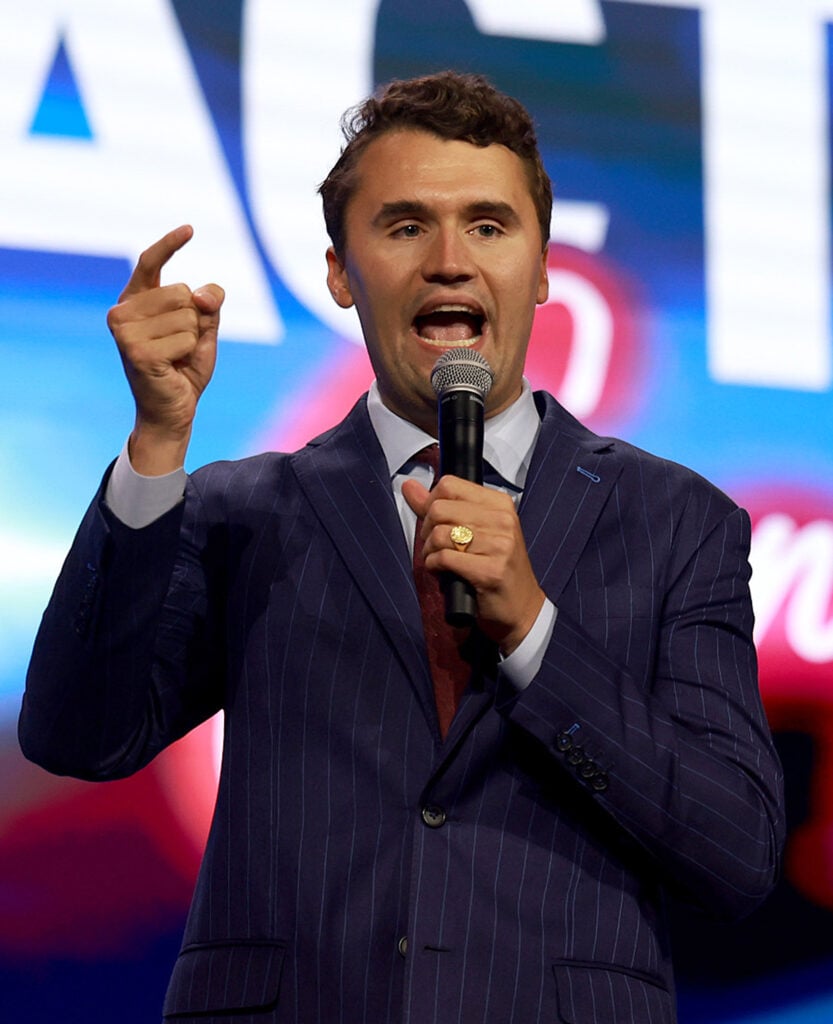
The murder of Charlie Kirk remains one of the most emotionally charged news stories in recent memory.
And as politicians, journalists, and social media users continue to try and make sense of the tragedy, some bizarre theories have spread with alarming speed.
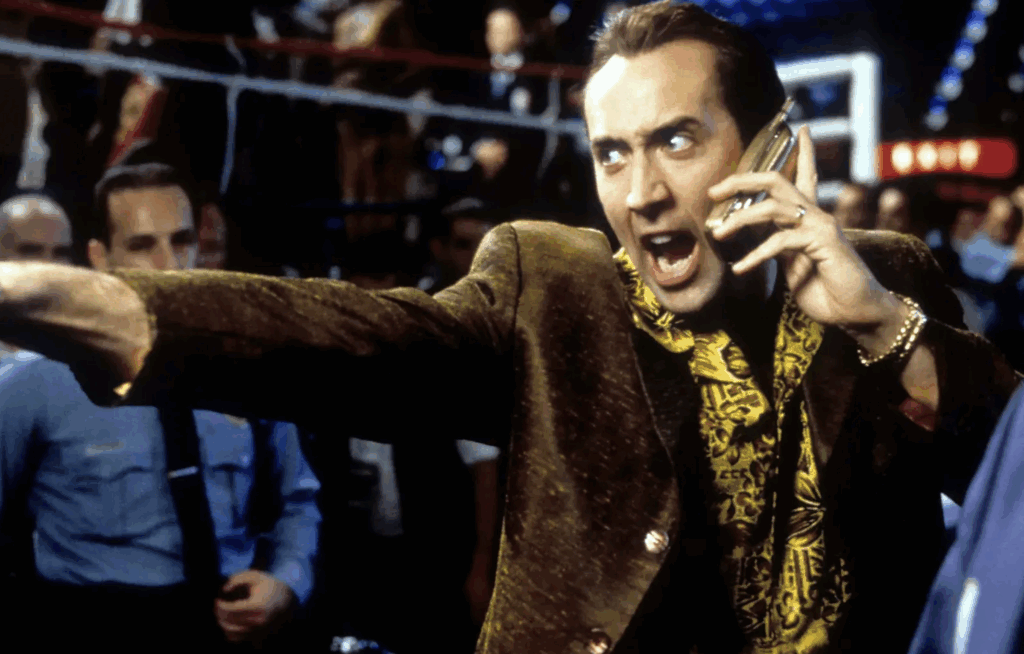
The latest speculation involves some surprising connections between Kirk’s death and a mostly forgotten 1998 thriller starring Nicolas Cage.
Set during a single night, Snake Eyes sees Cage playing a police detective who attends a Las Vegas boxing match featuring a heavyweight champion named Lincoln Tyler.
The main storyline involves the assassination of a defense secretary named Charles Kirkland, who is shot in the neck.
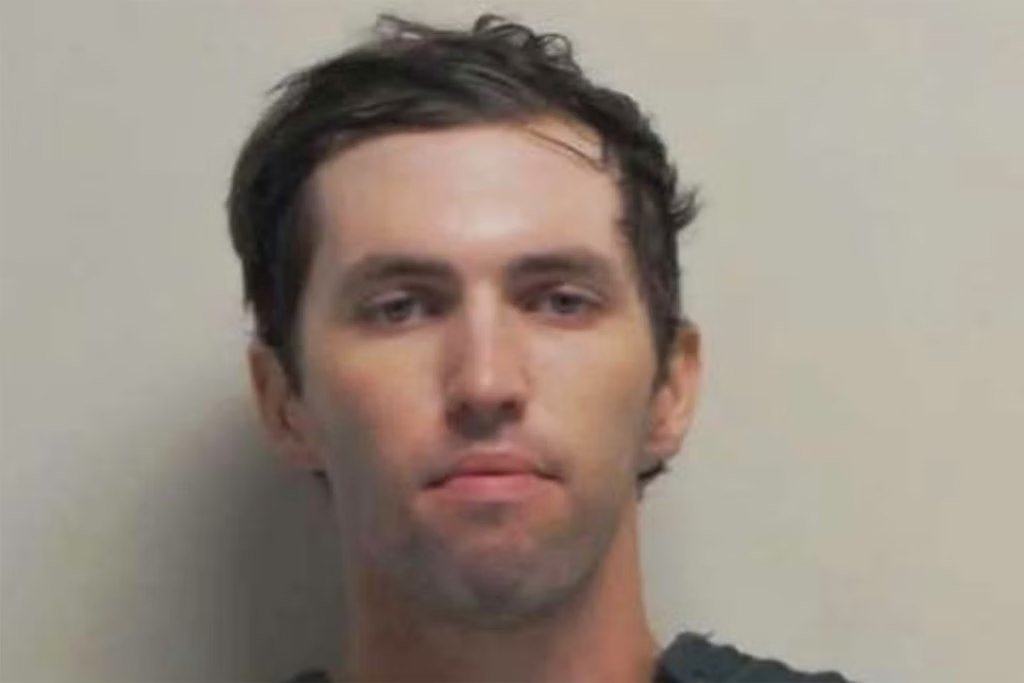
The man who was arrested for Kirk’s murder is named Tyler Robinson, and much is being made of the similarities between the names of the Snake Eyes character and the real-life tragedy that unfolded on September 10.
The film has also become the source of a number of easily disporovable rumors, including the claim that it also takes place on September 10.
But on social media these days, intriguing lies spread much more rapidly than boring truths.
So along with the name coincidences, the misinformation regarding the date has been packaged into a number of bizarre arguments, with some users claiming Snake Eyes “predicted” Kirk’s murder, and others insisting that the film is evidence of some vast conspiracy.
“The fight in the film occurs on SEPTEMBER 10th, the same exact day as Charlie Kirk’s death! The film was shot on location at the TRUMP Taj Mahal in Atlantic City. TRUMP was a close ally of KIRK,” one X user wrote this week, adding:
“The character, Gilbert Powell, in flim was literally based on Donald Trump, according to IMDB.”
“There are NO COINCIDENCES,” another account chimed in, adding:
“The 1998 Movie ‘Snake Eyes’ with actor Nicholas Cage, the politician CHARLES KIRKLAND is shot in the neck. In the movie, the shooting happens on SEPTEMBER 10th.
“Charlie Kirk was shot in the neck, in real life on September 10th. You just can’t make this stuff up.”
Well, apparently you can make this stuff up, as the film explicitly takes place on September 19.
Thankfully, many people pointed out in their replies that the connections described in those tweets (the connections that are factually accurate, anyway) are the very definition of coincidences.
We understand the desire to make sense of a seemingly senseless tragedy.
But for the most part, conspirators are not in the habit of planting clues in movies to expose crimes they intend to commit 27 years later.
Nicolas Cage Movie ‘Snake Eyes’ at Center of Bizarre Charlie Kirk Controversy was originally published on The Hollywood Gossip.
The Hollywood Gossip