By: James Brooks, Alaska Beacon
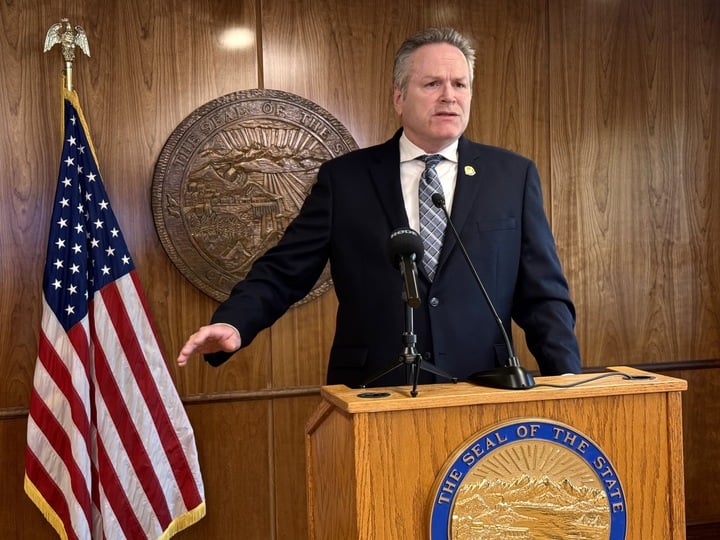
Alaska Gov. Mike Dunleavy canceled funding increases for a variety of state health and education programs on Wednesday, vetoing a combined $57.8 million in general-purpose money from state budget bills passed by the Legislature.
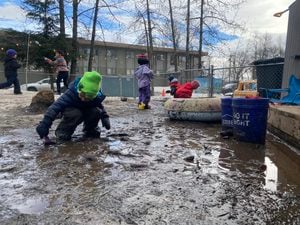
Under the Alaska Constitution, the governor has the ability to eliminate or reduce individual line items from the budget. Dunleavy struck $20 million in extra funding for cities and boroughs, $11.25 million to increase Medicaid payments to health care providers, $6.4 million to help child care centers find workers, $2 million for the state’s seafood marketing program, $3 million for tourism marketing, and more.
The governor did not veto most of a $300 million one-time bonus that lawmakers approved for Alaska’s public schools. He did cancel $3.7 million for Head Start grants, not quite a fifth of the proposed grant budget, and funding for a proposed public education spending adequacy study.
The governor’s vetoes were spread across the state’s operating budget, capital budget and mental health budget, the three bills that determine funding for state services in the fiscal year that starts July 1 and ends June 30, 2027.
It is the lowest amount of vetoes of any year in Dunleavy’s tenure. Last year, the governor initially vetoed a higher amount, but it was reduced after a successful veto override by lawmakers.
Altogether, Alaska will spend about $6.6 billion in general-purpose money during FY27, a figure that’s up by almost $600 million from the budget approved in spring 2025, according to figures published Wednesday by the Office of Management and Budget.
While high oil prices brought in more revenue than anticipated, they also burdened state agencies, local government and school districts with extra costs.
In response, Dunleavy said, the approved budget includes some extra funding for school districts around the state that are coping with high energy costs.
“While the state realized additional revenue, those same price pressures placed a real burden on school districts, particularly in rural Alaska. This budget makes targeted, responsible use of a temporary revenue increase to stabilize school facilities and address energy costs,” he said in a statement.
Earlier this year, legislators and the governor enacted a supplemental budget bill that added hundreds of millions in general-purpose spending to the FY26 budget; the FY27 supplemental will not be decided until next spring.
When federal funding and fee-funded programs are included, the FY27 budget totals about $16.4 billion, including $782 million earmarked for the Permanent Fund dividend. Overall spending is up by about $1.2 billion from last spring.
Entering the year, Dunleavy proposed to spend more than $1.5 billion from state savings accounts in order to pay a Permanent Fund dividend estimated at about $3,800 per recipient.
Legislators turned down that proposal, ultimately deciding on a $1,200 payment that includes a $1,000 dividend and a $200 one-time bonus.
Lawmakers avoided spending from savings altogether because the Iran War increased North Slope oil prices in March.
Those high prices caused Alaskans to pay more individually, but they also generated hundreds of millions of dollars in extra revenue for the state treasury.