NOTN- Alaska lawmakers are weighing a proposal to let school districts use a three-year average of student counts or the prior year’s enrollment to calculate state funding.
This bill, supporters say would give districts more certainty as they build budgets and issue teacher contracts.
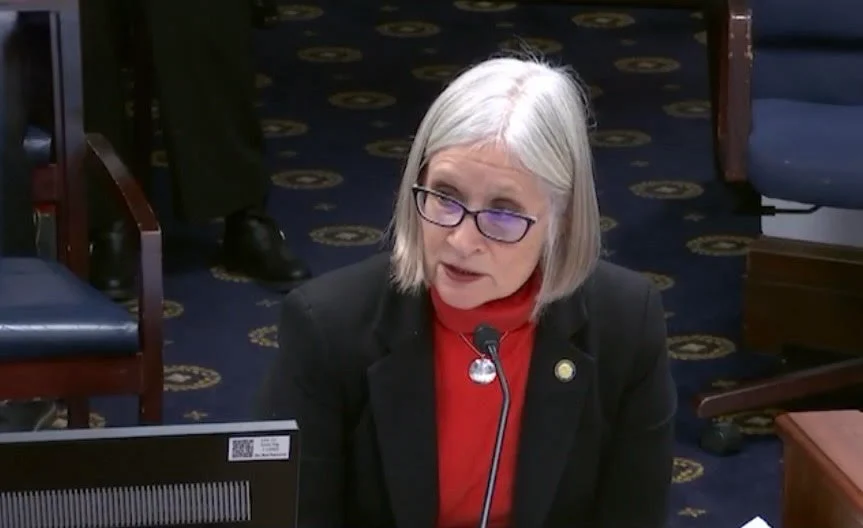
“We force school districts to budget in such an irrational way.” Said Representative Andi Story, “This backwards budgeting consumes a great deal of valuable time to reshuffle numbers, from personal experience this causes great pain in the community.”
The biggest change in the bill is how Alaska calculates average daily membership, or ADM, which is the student count used to determine state education funding.
According to the Alaska Department of Education and Early Development, the ADM is a count of enrolled K-12 students taken for 20 days ending the last Friday in October of each year, the ADM is adjusted due to a few factors including school size, district cost, and special needs.
Under the bill, districts would generally receive funding based on the higher of their most recent student count or a three-year average.
“Alaska should create a 3 year averaging approach statewide to replace the current Hold Harmless Provision.” Story said during her presentation.
The Hold Harmless Provision currently protects school funding if their ADM drops by 5% or more each year, which allows the previous year’s student count to be used as a base to mitigate a drop in funding.
“It could also provide districts with greater stability and planning.” Story said, “As districts would not be so concerned about unexpected changes in enrollments at the October count period. About 19 states use an approach that either averages, combines or provides the better of multiple years of student counts.”
Under the framework discussed at today’s House Education Committee meeting, if the policy took effect July 1, 2026, districts could choose a three-year average from the 2022, 2023 and 2024 October counts, or they could use the single-year count from 2025 once that data is finalized.
That choice, according to Story, would allow growing districts to lean on their most recent numbers, while stable or declining districts might favor a three-year average that smooths out drops.
Lawmakers on the panel pressed for more data on how the change would affect different districts over time. Story said she plans to bring back a committee substitute incorporating feedback and allowing further amendments.