NOTN- A bill heard at 8 A.M this morning would overhaul how public schools are funded by changing how students are counted for state aid.
House Bill 261, rewrites large portions of the state’s public school funding statutes.
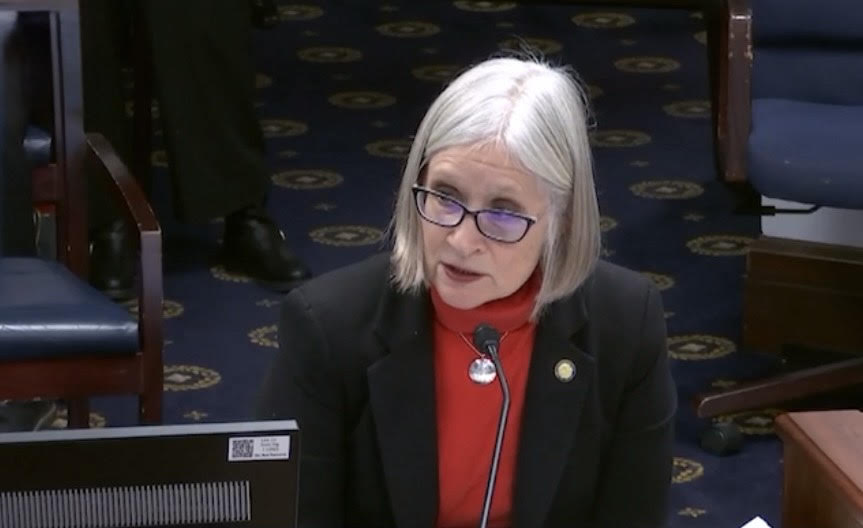
“We force school districts to budget in such an irrational way.” Said Representative Andi Story, “This backwards budgeting consumes a great deal of valuable time to reshuffle numbers, from personal experience this causes great pain in the community.”
In the full text of House Bill 261, available on The Alaska State Legislature Website, the measure is intended to stabilize school funding particularly through enrollment declines.
The biggest change in the bill is how Alaska calculates average daily membership, or ADM, which is the student count used to determine state education funding.
According to the Alaska Department of Education and Early Development, the ADM is a count of enrolled K-12 students taken for 20 days ending the last Friday in October of each year, the ADM is adjusted due to a few factors including school size, district cost, and special needs.
Under the bill, districts would generally receive funding based on the higher of their most recent student count or a three-year average.
“Alaska should create a 3 year averaging approach statewide to replace the current Hold Harmless Provision.” Story said during her presentation.
The Hold Harmless Provision currently protects school funding if their ADM drops by 5% or more each year, which allows the previous year’s student count to be used as a base to mitigate a drop in funding.
“It could also provide districts with greater stability and planning.” Story said, “As districts would not be so concerned about unexpected changes in enrollments at the October count period. About 19 states use an approach that either averages, combines or provides the better of multiple years of student counts.”
The bill also alters how districts are funded following school consolidations or closures, it would allow temporary offsets to soften funding losses over a period of several years.
The bill would also restrict districts from reopening schools too quickly after consolidation.
HB 261 also changes or revises how special education funding is calculated, particularly for students who require intensive services.
Using the above 3 year count, districts that identify additional students requiring intensive services midyear would be eligible for retroactive funding.
The bill applies to school districts statewide and does not directly increase the base student allocation, which is the per-student dollar amount set separately by the Legislature.