The Juneau Assembly has proposed updates to the city’s disorderly conduct laws, tightening rules around blocking sidewalks, public disturbances, and behavior in public spaces.
The focus of the new updates- making it easier for the Juneau Police Department to arrest individuals, particularly unhoused individuals for disruptive actions in public areas.
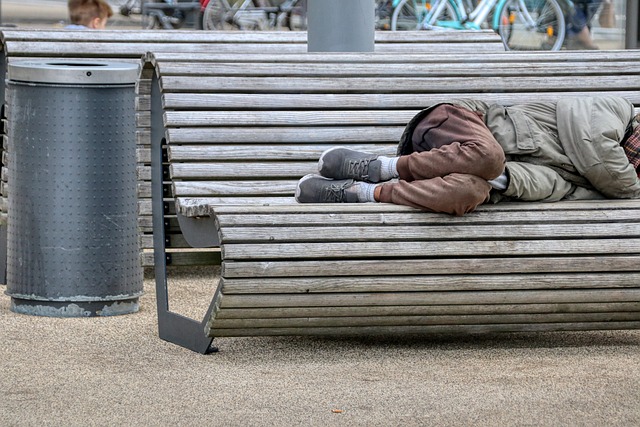
The ordinance adds language allowing police to intervene when people stand, walk, or camp in places like sidewalks, stairwells, parking lots, and garages.
“We had a long conversation about the community impacts of public camping, and that was probably the longest agenda item that we discussed.” Said Deputy Manager Robert Barr, “it would make it a bit easier for our police department officers to do some enforcement activity that they already do.”
Deputy City Manager Robert Barr said the changes bring city code in line with state law, removing steps that currently delay enforcement, which lie within officers arresting individuals for trespassing rather than disorderly conduct.
“Our first course of action whenever we’re engaged in that sort of activity with folks who are unhoused, is to try and connect to resources and seek voluntary compliance.” Said Barr, “but sometimes it’s not possible.”
Alaska already grapples with its growing unhoused population, Juneau currently operates under a “dispersed camping” policy for its homeless population, allowing camping on unimproved public land as long as it minimizes impact and doesn’t violate specific regulations like blocking public rights-of-way.
Juneau Police cleared the unhoused encampment on Teal street back in June, Barr said the assembly asked to bring back more information at a future meeting, likely the next Committee of the Whole, on creating a shelter safety zone in the Teal Street area, “just to investigate whether other tools that we could implement would protect our social service providers out there.” said Barr.
Juneau has had the highest average sale price for a single-family home in the state for the past two years and a report from the Department of Labor and Workforce Development, shows that housing costs are nearly half of most Alaska residents’ annual income.
These proposed updates come amid nationwide trends, with the Supreme court ruling that cities can ban people from sleeping and camping in public places last year.