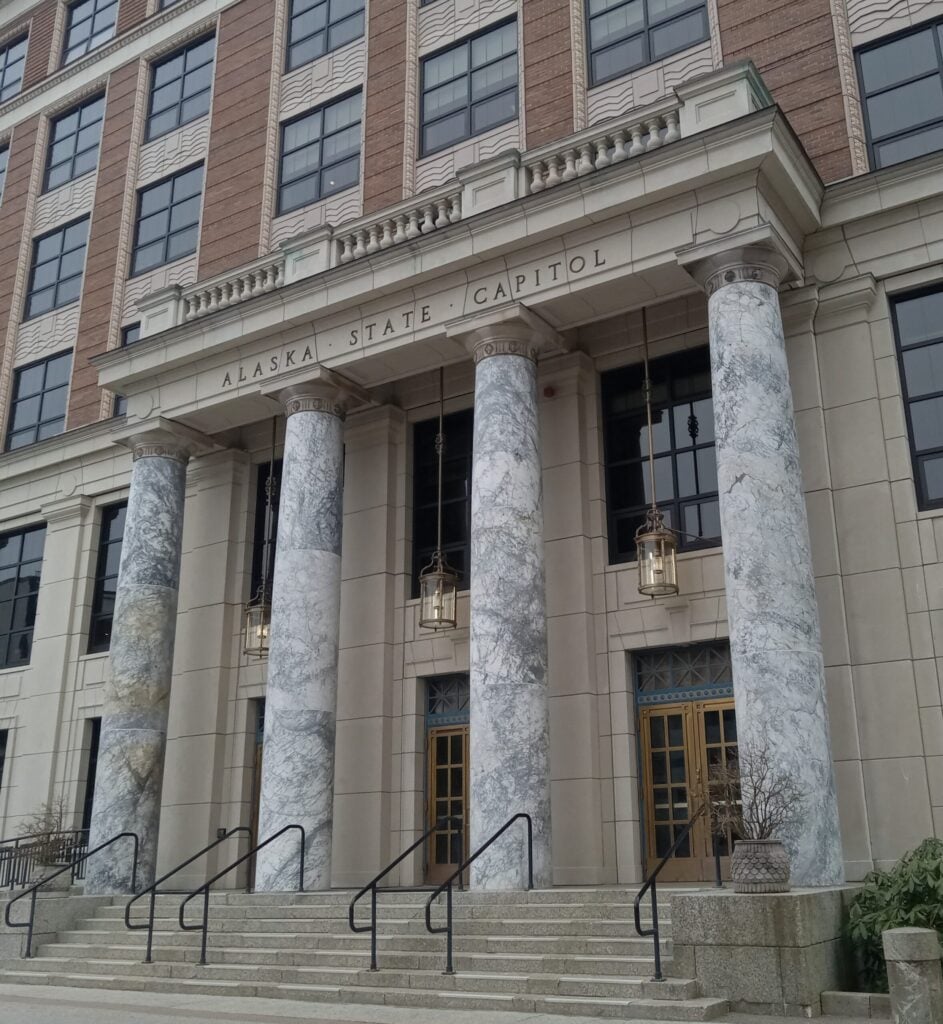
(Photo by Greg Knight/News of the North)
NOTN- Alaska lawmakers are in a 30-day special session to weigh a sweeping tax break for the proposed North Slope natural gas pipeline.
Juneau Sen. Jesse Kiehl, said the governor’s bill would shift the project away from the current 20-mill petroleum property tax structure and toward a volume-based tax on gas flowing through the line. He said the proposal amounts to roughly a 90% tax cut that would last as long as the pipeline operates.
“That’s one of the things we’re working on.” He said, “The governor’s proposal is about a 90% tax cut, and the governor’s proposal lasts as long as the pipeline lasts. They will not need that, right? They will not need that, past, heaven knows, past year 20 when you got almost all your debt paid off.”
Kiehl said some early tax relief is reasonable for a multibillion-dollar project that will not generate revenue immediately, but he questioned the size and duration of the proposed break.
“During the regular session, we couldn’t seem to get as many numbers, real numbers, as we needed, so we’re working on that.” He said, “A big gas line could be a huge project for the state, big for the state’s economy, a lot of jobs when it gets built. The other thing we have to make sure of is that we also protect the treasury, because the risk with these things is cost overruns, right? The oil pipeline cost could be more than double what they planned on.”
Lawmakers are seeking more complete data from project backers to determine how large a tax incentive is necessary and how long it should last.
While the gas line would not deliver gas to Southeast Alaska, Kiehl said the region’s benefit would come from new state revenues that fund public services, including schools and state troopers.
“The benefit we get from Alaska gas going to market is some money in the treasury to pay for public services, all the things we need. So, we’ve got to make sure that we watch those risks.” He said.
Kiehl also added that if the state grants a substantial property tax break, it will also need to ensure money flows to local governments along the route, such as Anchorage, Kenai and Fairbanks. Those communities would face increased demand for schools, law enforcement, road work and other services during construction.
The governor’s bill was introduced midway through the regular session and has already been vetted by House and Senate resources committees. The measure is now before the finance committees, which Kiehl said will use the full 30 day special session to scrutinize the fiscal impacts and negotiate possible changes.
If project backers do not provide the information lawmakers are seeking, he said, the Legislature could choose to “cut our losses and expenses and gavel out,” ending the special session without approving the package.